
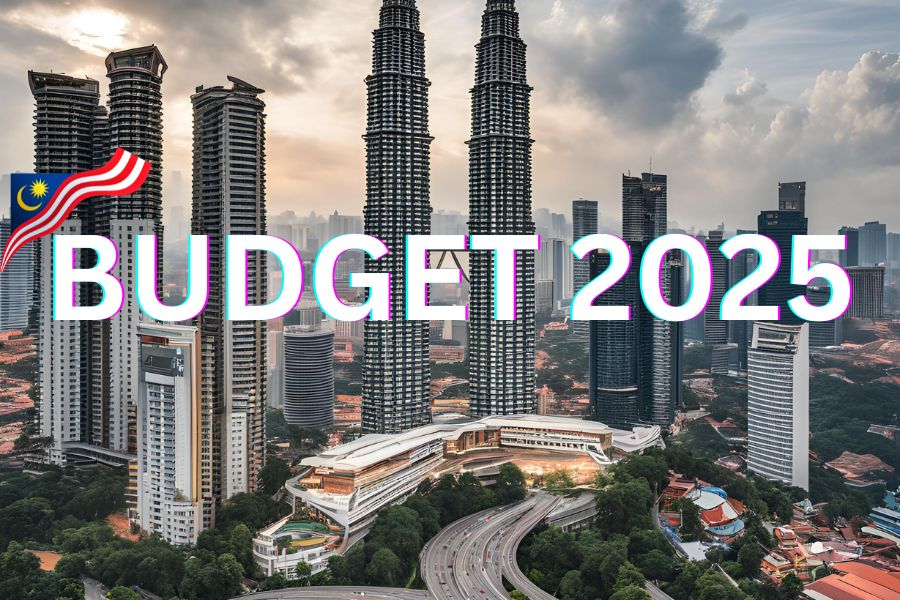
Five New Taxes Could Be Introduced in Malaysia’s Budget 2024 on 18th October: Key Highlights and Concerns
As Budget 2024 approaches, there are talks that the government may introduce five new taxes designed to address various social, environmental, and economic issues. If implemented, these taxes could bring significant changes to consumer behavior, corporate practices, and wealth distribution. Here are the five proposed taxes:
1. Unhealthy Food Tax
In a bid to tackle Malaysia’s rising obesity and health-related problems, the government plans to impose a tax on foods high in fat, sugar, and calories. This includes fast food, snacks, and baked goods—products often linked to unhealthy lifestyles.
According to the 2023 National Health and Morbidity Survey, 54.4% of Malaysians are considered overweight, raising alarms about the long-term burden on the healthcare system. The goal of this tax is to discourage the consumption of unhealthy foods and encourage better dietary choices. Funds collected could potentially be channeled into public health campaigns and nutritional education programs.
2. Carbon Pricing Tax
To align with Malaysia’s long-term environmental goals, including achieving net-zero carbon emissions by 2050, the government may introduce a carbon pricing tax. This tax would target industries and businesses that emit large quantities of greenhouse gases, encouraging them to reduce their carbon footprint.
The tax could be implemented through mechanisms like a carbon tax or an Emission Trading System (ETS). By placing a financial cost on carbon emissions, businesses would have incentives to adopt greener technologies and practices. This would help Malaysia transition toward a more sustainable and environmentally friendly economy.
3. Inheritance Tax
A proposed inheritance tax could be aimed at preventing the accumulation of unproductive wealth within a small segment of the population. This tax would target wealth passed down through generations without significantly contributing to the broader economy.
The objective is to promote wealth equality by taxing large inheritances. The revenue could be used to fund public services or social programs aimed at reducing the wealth gap. However, this tax could be controversial, especially among families who view property and assets as a legacy for future generations.
* Updated 14/10/2024
Anthony Loke States Inheritance Tax Won’t Be Included in Budget 2025. “Government policies only become official if they are presented in parliament, and so far, there has been no discussion regarding inheritance tax.”

4. High-Value Goods Tax (HVGT)
The High-Value Goods Tax is designed to target high-income earners by imposing taxes on luxury goods and services. Items such as high-end vehicles, expensive jewelry, designer products, and other luxury items would be subject to this tax.
The goal is to redistribute wealth by generating revenue from luxury consumption and using it to support social programs or economic development. This could also serve to narrow the wealth gap by ensuring that affluent individuals contribute more to public finances.
5. Artificial Intelligence (AI) Tax
In recognition of the growing role of technology and innovation in economic development, the government may introduce an AI tax. This tax would primarily target companies developing and deploying artificial intelligence technologies, aiming to ensure that the tech industry contributes to the country’s growth.
Revenue from the AI tax could support research and development in high-tech industries, positioning Malaysia as a leader in the global AI market. This tax could create a financial framework for innovation, fostering the next generation of technological advancements.

Property Sector Concerns: The Inheritance Tax
While the above taxes aim to address a wide range of issues, the proposed inheritance tax raises specific concerns, particularly in the property market. Many property buyers and investors see real estate as a legacy—something to pass on to their children and future generations. If an inheritance tax is imposed, beneficiaries would be subject to taxation when they inherit property. This could complicate the process of transferring wealth and assets across generations, especially if the property needs to be sold to pay off the tax.
Is It Fair to Property Buyers?
From a property investor’s point of view, this tax could be perceived as unfair. Many people buy real estate not only as an investment but as a way to secure their family’s financial future. They plan to pass down property to their heirs, building a generational legacy. If this tax is implemented, beneficiaries might face an additional financial burden when inheriting property, potentially reducing the long-term value of real estate investments.
Moreover, some might argue that such a tax could discourage property investment altogether, as the future tax implications would make it less appealing to hold on to real estate for the long term.
Will It Affect Future Generations?
Yes, an inheritance tax would undeniably affect future generations. It could reduce the wealth that families can pass down, especially if property values increase significantly. Heirs may have to sell the property to cover the tax liability, which could diminish the intention of leaving behind a lasting legacy. This could be especially difficult for middle-income families who have worked hard to acquire property as a form of security for their descendants.
A Personal Perspective
This is just my point of view, and I understand that others may not agree. In my opinion, an inheritance tax could have unintended consequences, particularly for those in the property market who want to ensure their investments benefit future generations. While wealth equality is important, there needs to be a balance, so the tax does not disproportionately impact those who have saved or invested in property with long-term goals in mind.
What are your thoughts on this? Do you believe such a tax is necessary, or would it be too burdensome on property buyers and their families?
Check out the latest article on how Budget 2025 impacts the property sector




 Miichael Yeoh
Leave a comment