Tag: Finance

  • WEEKLY PROPERTY ROUNDUP

    WEEKLY PROPERTY ROUNDUP

    26 September – 2 October 2026

    Malaysia + International Property Insights

    This week’s market is interesting for one reason: the headlines are not telling one single story.

    Malaysia has pockets of resilience in retail and construction, but residential developers are still dealing with affordability and unsold stock. Overseas, Australia is going through a much sharper housing correction, while Singapore continues to reposition mature assets through redevelopment.

    For buyers and investors, the lesson is simple: look beneath the headline number.


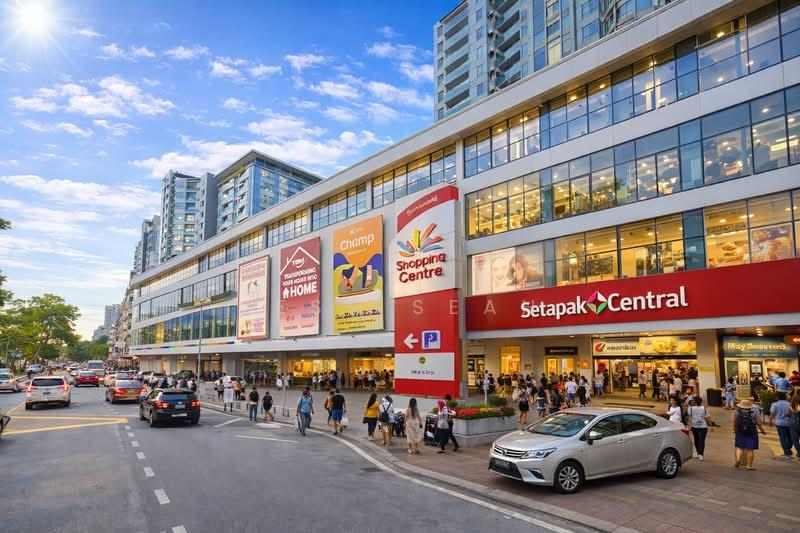
    🇲🇾 1. KIP REIT Completes RM435 Million Setapak Central Mall Acquisition

    What Happened

    KIP REIT completed its RM435 million acquisition of Setapak Central Mall on 30 September.

    The three-storey mall has approximately 514,777 sq ft of net lettable area and 1,090 parking bays. Occupancy had previously been reported at 99.89%.

    The acquisition brings KIP REIT’s portfolio to 20 properties, with the enlarged portfolio previously assessed at around RM2.1 billion. EdgeProp

    Why It Matters

    This isn’t simply about buying another shopping mall.

    A mature, highly occupied retail asset can provide something very different from a new development:

    existing tenants + existing footfall + existing income.

    For investors, that distinction matters.

    The question isn’t simply whether a property is “good”.

    It is:

    How predictable is the income after I buy it?

    Miichael’s Review

    I like looking at transactions like this because they demonstrate another side of property investment.

    A developer creates value through development.

    A REIT investor is often looking for income-producing assets with established operations.

    For individual investors, the same principle applies.

    Before getting excited about a property because of future appreciation, ask:

    What is producing the income today?

    Source: EdgeProp — KIP REIT completes RM435m Setapak Central acquisition


    🇲🇾 2. Gamuda Posts Record Profit — But Property Earnings Fall

    What Happened

    Gamuda reported record FY2026 net profit of RM1.05 billion, up 5%.

    But there is an interesting contrast underneath the headline.

    While the group’s overall performance was supported by stronger construction earnings, property sales fell 22% to RM3.2 billion, while property division net profit declined 18% to RM310.76 million. EdgeProp

    Why It Matters

    This is a useful reminder that a diversified property-related group can perform well overall even when its property division is under pressure.

    It also reinforces an important market principle:

    Construction demand and residential property demand are not necessarily moving together.

    Miichael’s Review

    For me, the interesting part isn’t simply that Gamuda made a record profit.

    It is the divergence between construction and property.

    When analysing a developer, I would not stop at the group’s headline earnings.

    I’d want to know:

    • How much comes from property?
    • What is the sales pipeline?
    • How much unsold inventory exists?
    • Where are the projects located?
    • What is the margin?
    • And how quickly can sales be converted into cash?

    A strong company does not automatically mean every property project is equally attractive.

    Source: EdgeProp — Gamuda posts record FY2026 profit


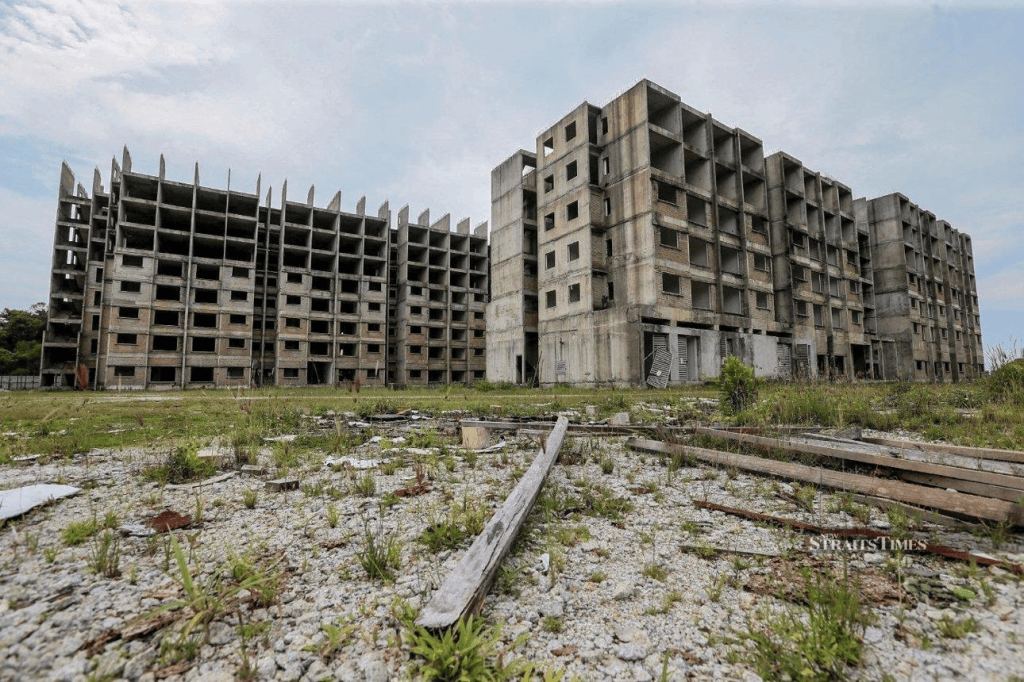
    🇲🇾 3. Government Calls for More “White Knights” to Rescue Abandoned Projects

    What Happened

    Malaysia’s Housing and Local Government Ministry has called on established developers to step in as “white knights” to revive stalled and abandoned housing developments.

    According to the report, the ministry’s task force has helped revive 1,647 distressed projects worth RM153 billion, affecting almost 200,000 homebuyers.

    The government is also pursuing legal reforms involving developer accountability, strata management and residential tenancy. The Star

    Why It Matters

    For a buyer, buying property isn’t simply about:

    location + price + size.

    There is another question that often gets overlooked:

    Who is behind the project — and what happens if things go wrong?

    A delayed or abandoned project can create years of financial and emotional stress for buyers.

    Miichael’s Review

    This is one area where I think buyer education is particularly important.

    Before buying a new development, buyers should investigate the developer’s track record, project delivery history, financial structure, development partners and surrounding ecosystem.

    We often spend hours comparing unit sizes and discounts.

    But sometimes the most important due diligence happens before we even choose the unit.

    Source: The Star — Malaysia needs more white knights


    🌏 4. Australia: Housing Prices Fall for a Sixth Straight Month

    What Happened

    Australia’s housing market continued to weaken in September.

    Cotality’s national Home Value Index fell 1.1% in September, the sixth consecutive monthly decline.

    Values are now 5.2% below the March 2026 peak.

    Sydney fell 1.4% in September and is nearly 9% below its February peak, while Melbourne fell 0.7%.

    Transaction activity has also weakened, with sales over the latest three-month period down around 19% year-on-year, according to Reuters. Reuters

    The Reserve Bank of Australia has also raised its cash rate to 4.6%, a 15-year high, adding further pressure to borrowing capacity. Investing.com

    Why It Matters

    Australia provides an excellent real-world example of the relationship between:

    interest rates → borrowing capacity → buyer demand → transactions → prices.

    And importantly, the impact is not identical across every city.

    Miichael’s Review

    For Malaysian buyers and investors looking overseas, this is a market worth watching carefully.

    A falling market doesn’t automatically mean:

    “Everything is cheap.”

    It means the risk-reward equation is changing.

    For anyone considering an overseas property purchase, I’d be asking:

    Has the price fallen because the market is correcting — or because the fundamentals have deteriorated?

    Those are two very different things.

    Source: Reuters — Australian home prices fall for sixth straight month; Cotality — September Home Value Index


    🌏 5. Singapore: Valley Point to Become a New Mixed-Use Development

    What Happened

    Frasers Property and Mitsubishi Estate announced plans to redevelop Valley Point and Frasers Suites Singapore along River Valley Road.

    The planned mixed-use development will include:

    • 407 luxury residential units and sky villas
    • 184 serviced-residence units
    • dining
    • retail
    • lifestyle components

    The project is planned for launch in 2027, with completion targeted for 2031. The existing properties are expected to cease operations in March 2027. The Business Times

    Why It Matters

    This is a classic example of urban land optimisation.

    Instead of simply maintaining an ageing asset, the owners are looking at the highest and best use of a prime site.

    The redevelopment also combines residential, serviced residences, retail and lifestyle components rather than relying on one single use.

    Miichael’s Review

    This is something developers everywhere can learn from.

    A property isn’t necessarily valuable because of what it is today.

    Sometimes its greatest value comes from what it could become.

    But that requires looking beyond the building itself:

    land value + location + planning potential + demand + surrounding ecosystem.

    For buyers, this also highlights why understanding a property’s future development context can be just as important as studying the existing building.

    Source: The Business Times — Frasers Property and Mitsubishi Estate redevelopment; Frasers Property — official announcement


    👀 WORTH WATCHING

    Malaysia

    1. Residential affordability

    The combination of unsold stock, financing constraints and developer margins remains an important issue.

    2. Retail investment

    The KIP REIT acquisition shows that mature, income-producing retail assets remain relevant when occupancy and cash flow are strong.

    3. Distressed projects

    The government’s push for more private-sector participation could change the landscape for abandoned and stalled developments.

    🌏 International

    4. Australia

    Watch whether the correction continues into 2027 and whether lower transaction volumes eventually create broader economic effects.

    5. Singapore

    Watch how redevelopment and land optimisation reshape mature neighbourhoods.


    💡 MY TAKEAWAY

    This week’s five stories are actually connected by one common theme:

    Property value is about more than price.

    A shopping mall’s value can come from income and occupancy.

    A developer’s value can come from the quality of its pipeline and balance sheet.

    A residential project’s value includes delivery risk.

    A housing market’s direction is influenced by financing and affordability.

    And an older property can sometimes create greater value through redevelopment.

    So when someone asks me:

    “Is this property a good buy?”

    I don’t think the first question should be:

    “How much is it?”

    I’d rather start with:

    Who is buying it?

    Why are they buying it?

    What creates the demand?

    What could go wrong?

    And what happens if the market doesn’t behave as expected?

    That is where proper property due diligence begins.

    From the desk of

    Miichael Yeoh

    Property Strategist

  • Malaysia Property Market 2026: 33,094 Unsold Homes — Are They Really “For Sale” to Everyone?

    Malaysia Property Market 2026: 33,094 Unsold Homes — Are They Really “For Sale” to Everyone?

    33,094

    That is the number currently attracting attention in Malaysia’s property market.

    As at the first half of 2026, 33,094 completed residential units worth RM17.78 billion remained unsold.

    The figure is up from 30,471 units in the previous period.

    Naturally, the immediate question is:

    Why aren’t Malaysians buying these homes?

    The usual answers come quickly.

    Homes are too expensive.

    Buyers cannot afford them.

    Banks are rejecting loans.

    Developers are building too much.

    All of these factors may play a role.

    But I think we need to ask a more fundamental question:

    What does “unsold” actually mean?

    Because an unsold property is not necessarily a property that is simply sitting on the open market waiting for any Malaysian to buy it.

    And that distinction matters.


    The Unsold Property Paradox

    Let’s start with something that may surprise many people.

    Malaysia’s property market is still active.

    In the first half of 2026, the country recorded 187,320 property transactions worth RM105.12 billion.

    Residential property accounted for 110,998 transactions, representing 59.3% of total transactions and RM47.11 billion in transaction value.

    So this isn’t a story about Malaysians suddenly refusing to buy property.

    There are buyers.

    There are transactions.

    There is demand.

    Yet at the same time, tens of thousands of completed homes remain unsold.

    That is the paradox.

    People are buying property — but some completed properties are still not finding buyers.

    This tells us that the problem is more complicated than simply:

    “Malaysians cannot afford houses.”


    Not Every Unsold Unit Has the Same Problem

    This is where I believe we need to look at the property market differently.

    An “unsold” unit could be unsold for very different reasons.

    1. The buyer doesn’t want it.

    The location may not be attractive.

    The layout may not fit the target market.

    The facilities may not justify the price.

    The surrounding environment may not match what buyers want.


    2. The buyer wants it — but cannot get financing.

    This is a very real issue.

    The latest REHDA Property Industry Survey found that 59% of surveyed developers reported unsold completed residential units.

    Among the factors highlighted were end-financing rejection, property prices and unreleased Bumiputera units.

    The survey covered 181 REHDA members in Peninsular Malaysia.

    A buyer can therefore say:

    “I want this property.”

    But the bank may effectively say:

    “You cannot finance it.”

    Those are two completely different problems.


    3. Some units are not immediately available to the entire market

    This is another part of the conversation that deserves more attention.

    Some residential developments contain Bumiputera quota units.

    Where those units remain unsold, developers may need to go through the relevant state process before they can be released to the wider market.

    The rules are not identical across Malaysia.

    In Penang, for example, the state has a formal Bumiputera quota release process, including requirements relating to the physical progress of the development and evidence of marketing efforts to Bumiputera purchasers.

    So an important distinction needs to be made:

    A unit can be recorded as “unsold” without necessarily being immediately available to every buyer in the market.

    And depending on the state and applicable scheme, releasing such units can also involve specific conditions or financial contributions.

    This matters because we should be careful not to treat every unit in the RM17.78 billion figure as if it represents exactly the same market problem.


    4. The product may simply be wrong for today’s buyer

    This is probably one of the most overlooked questions in property development.

    A project may have been conceived several years ago.

    The developer may have studied:

    • population growth,
    • household formation,
    • income levels,
    • infrastructure,
    • competition,
    • buyer profiles,
    • pricing,
    • and future demand.

    Then the project goes through planning, approvals, construction and completion.

    By the time the keys are ready…

    The market may have changed.

    Buyers’ expectations change.

    Household sizes change.

    Working patterns change.

    Transport patterns change.

    Financing conditions change.

    Lifestyle preferences change.

    And competing developments enter the market.

    A product that looked attractive when the development was planned may not necessarily be equally attractive when it is completed.


    And this is where “affordable” becomes an interesting word

    The government has reported that properties priced RM300,000 and below accounted for 51.6% of residential transactions in H1 2026.

    At the same time, the government has acknowledged that completed unsold residential stock is not confined to high-end properties. It is also significant in affordable and mid-priced segments.

    So perhaps we need to distinguish between:

    Affordable by price

    and

    Affordable and desirable to the target buyer.

    They are not necessarily the same thing.

    A RM300,000 property may be affordable on paper.

    But if it is two hours from the buyer’s workplace…

    If public transport is poor…

    If the layout doesn’t suit the family…

    If the maintenance costs are too high…

    If financing is difficult…

    If the buyer doesn’t see future resale demand…

    Then the buyer may still decide:

    “This isn’t for me.”

    And that isn’t necessarily an affordability problem.

    It may be a product-market fit problem.


    This is where the PDS perspective comes in

    For years, much of the property industry has operated around a relatively simple sequence:

    Build → Market → Sell

    But perhaps we need to rethink the sequence.

    The PDS philosophy starts with a different question:

    Discover the buyer before you build for the buyer.

    Who exactly is the intended buyer?

    What problem are they trying to solve?

    Where do they want to live?

    What can they realistically afford?

    Can they obtain financing?

    What type of property fits their lifestyle?

    What compromises are they willing to make?

    What alternatives are available?

    What would make them choose this property over another?

    And perhaps most importantly:

    What evidence would give them confidence to make the decision?


    From “Selling Property” to “Helping Buyers Decide”

    This is a subtle but important shift.

    A traditional sales approach may ask:

    How do we sell this unit?

    A PDS approach asks:

    Why should this buyer choose this unit — and is it actually the right choice for them?

    That changes the conversation.

    Instead of starting with the brochure, we start with the buyer.

    Instead of starting with the promotion, we start with the problem.

    Instead of asking:

    “How much discount do we need to give?”

    we should also be asking:

    “Why isn’t the buyer convinced at the current value proposition?”

    Sometimes the answer may be price.

    Sometimes financing.

    Sometimes location.

    Sometimes product design.

    Sometimes timing.

    Sometimes competition.

    Sometimes eligibility.

    And sometimes the property simply isn’t solving a sufficiently important problem for the intended buyer.


    The Developer’s Question Should Change Too

    Perhaps developers should not only ask:

    “How many units can we sell?”

    They should ask:

    “How many units does this market actually need — and what type?”

    That means looking beyond headline demand.

    It means understanding:

    Demand

    → Who needs the property?

    Ability

    → Who can actually afford it?

    Eligibility

    → Who can legally or practically purchase it?

    Financing

    → Who can obtain the required loan?

    Location

    → Who wants to live there?

    Product

    → What configuration do they want?

    Value

    → Does the property justify the price?

    Confidence

    → What information does the buyer need before deciding?

    This is a much more complete view of property demand.


    The Real Property Overhang May Be an Alignment Problem

    Perhaps Malaysia doesn’t simply have a shortage of buyers.

    Perhaps we have a shortage of alignment.

    Alignment between:

    What developers build

    and

    what buyers actually want.

    Between:

    Price

    and

    purchasing power.

    Between:

    Location

    and

    daily life.

    Between:

    Product

    and

    lifestyle.

    Between:

    Eligibility

    and

    the available buyer pool.

    Between:

    financing

    and

    the buyer’s financial profile.

    And ultimately:

    what is being offered

    and

    what the buyer is prepared to decide on.


    So, What Should We Do About the 33,094?

    I don’t think the answer is simply:

    “Make property cheaper.”

    Nor is it simply:

    “Give buyers more incentives.”

    And it certainly isn’t enough to say:

    “Malaysians aren’t buying.”

    We need to understand why each segment of unsold stock remains unsold.

    Because the solution to a financing problem is different from the solution to a location problem.

    The solution to a Bumiputera quota-release issue is different from the solution to a product-market mismatch.

    And the solution to an overpriced property is different from the solution to a property that is fairly priced but poorly positioned.

    One number can hide many different problems.

    That is why we need to go beyond the headline.


    The PDS Way

    At the Property Discovery System, we believe property decisions should begin with discovery, not selling.

    For buyers:

    Discover the market.
    Understand the property.
    Test the numbers.
    Assess the risks.
    Compare the alternatives.
    Then decide.

    For developers:

    Discover the demand.
    Understand the buyer.
    Design the right product.
    Position it correctly.
    Build trust.
    Then sell.

    Because the objective shouldn’t simply be to sell more properties.

    It should be to create better alignment between property supply and real buyer demand.


    The question we should really be asking

    The headline today is:

    33,094 completed homes remain unsold.

    But perhaps the more important question is:

    Why are these particular homes still unsold?

    Until we answer that question at the unit, project, location, price, financing and buyer level, we risk treating very different problems as if they were the same problem.

    And if we keep treating the symptoms instead of understanding the buyer…

    We may simply build another 33,094 homes to replace them.

    Property is not just about selling a product.

    It is about helping people make better decisions.

    Discover Better. Decide Smarter.

    That is the PDS way.


    Sources &

    • National Property Information Centre (NAPIC), Property Market Report H1 2026. NAPIC — H1 2026 Property Market Report
    • Ministry of Finance Malaysia, launch remarks on the H1 2026 Property Market Report.
    • REHDA Property Industry Survey 1H2026, reported by EdgeProp.
    • Penang State Housing Board, Guidelines for Application for Release of Bumiputera Quota.

  • WEEKLY PROPERTY ROUNDUP

    WEEKLY PROPERTY ROUNDUP

    Week in Review | 19–25 September 2026

    Malaysia • Regional Property • Global Insights

    The property market is not one market. Different assets, locations and economic forces are moving in very different directions.


    🇲🇾 1. Almost 60% of Developers Report Unsold Completed Homes

    https://images.openai.com/static-rsc-4/uJ1sXQYW8YNgLMcTGhfcD4h9AlGny1gVvYl0-3Z_UUWwYtxe0L-njDRK6hbq_nQHxshYIf8luumPsz7hwaFkeeFnY-h9INrh1M3Wsc166NXJCu6itg6Pu3naU9MIZA6kT81KGWzDrYNL-2laiMsgo-gFVvv0qAxul-Ei9rdVdXRqEG6ZpH0OrMh_BYhREWGV?purpose=fullsize

    What Happened

    A new REHDA Property Industry Survey found that 59% of 181 developers surveyed had unsold completed residential units as at 30 June 2026.

    The three main reasons cited were rejected end-financing applications, property prices and unreleased Bumiputera units.

    During the survey period, 54 respondents launched 15,834 units and sold 5,260 units, giving a take-up rate of 33.2%, only slightly higher than 32.2% previously.

    REHDA also highlighted rising construction costs, financing constraints and regulatory/compliance costs as pressures on housing affordability. An average 13% increase in construction costs was reported between March and June.

    Why It Matters

    This is an important distinction:

    A home can be “affordable” on paper but still unaffordable to the buyer.

    If financing is rejected, margins are lower or credit requirements become more difficult, the advertised selling price isn’t the whole affordability equation.

    For developers, unsold completed stock also ties up capital.

    Miichael’s Review

    This is exactly why I believe buyers should look beyond the headline price.

    Before deciding whether a property is affordable, ask:

    Can I actually obtain the financing?
    What is my monthly commitment?
    What happens if interest rates or my income situation changes?

    For developers, the lesson is equally important:

    Product pricing must match real purchasing power — not just construction cost plus desired margin.

    Source: EdgeProp — REHDA survey on unsold homes and EdgeProp — REHDA on housing costs


    🇲🇾 2. Johor: Paragon Globe Plans RM1.69 Billion Industrial Park

    What Happened

    Paragon Globe is pursuing additional land in Sedenak, Johor, for a proposed industrial park with an estimated gross development value of RM1.69 billion.

    The project sits within the Kulai-Sedenak zone of the Johor-Singapore Special Economic Zone (JS-SEZ) and is planned to include industrial factories, commercial components and worker accommodation.

    The group is also taking a more strategic approach to land development, looking at anchor occupiers and the ecosystems that can form around them, rather than simply developing land in isolation.

    Why It Matters

    This is bigger than another industrial-property announcement.

    The interesting part is the “anchor occupier” strategy.

    A major manufacturer can create demand for:

    • suppliers
    • logistics
    • warehouses
    • worker accommodation
    • retail
    • supporting services

    That can turn an industrial site into an economic ecosystem.

    Miichael’s Review

    This is the kind of development strategy I find interesting.

    The best land doesn’t necessarily have the highest GDV.

    Sometimes the real question is:

    “What economic activity will this land create around itself?”

    That is a much more powerful way to assess long-term land value.

    Source: The Star — Paragon Globe eyes RM1.69bil industrial park; EdgeProp — Paragon Globe landbank strategy


    🇲🇾 3. Klang: Maybulk Moves Into Industrial Property

    What Happened

    Maybulk has proposed acquiring an 8,346 sq m freehold industrial property in Bandar Bukit Raja, Klang, for RM35.5 million.

    The property includes an industrial building, warehouse and office facilities.

    Importantly, Maybulk said the move is part of a strategy to diversify its revenue streams and reduce reliance on its existing shipping and storage businesses.

    The acquisition would also immediately provide rental income once completed.

    Why It Matters

    This is a smaller transaction than the headline billion-ringgit deals — but strategically, it is very interesting.

    We’re seeing a company from outside traditional property development use industrial real estate as an income-producing asset.

    That reflects the growing attractiveness of industrial property as an investment class.

    Miichael’s Review

    I always find these transactions worth watching because they show how corporate investors think about property differently from individual buyers.

    For a corporate investor, property can be:

    An operating asset + rental income + capital preservation + diversification.

    That is very different from buying a property simply because “the area is going up.”

    Source: The Star — Maybulk proposes RM35.5mil Klang industrial acquisition


    🌏 4. Australia: The Housing Slowdown Is Hitting More Than Property Agents

    https://images.openai.com/static-rsc-4/Brs6pRtz5kYYyfE4NHjlwNYzDeZsQhdHN8Ay_xpJgbljRtmXqHfXrQ0ZJ7iHrrLLQKWOe0izOsryIQPmdtGfKgsZshly6_Y3bJOYhnrsCRXXrUXpoyniGMpBU6UiTg5U1rpeUgc7Zw_F7zL8TwPXur-FNtdpsHx7XF08Uo8dO-6FZFqw6SGoo2PIJCj64MzF?purpose=fullsize

    What Happened

    Australia’s housing slowdown is now affecting a much wider economic ecosystem.

    Reuters reported that Australian home sales volumes have fallen sharply, with turnover 15% below a year earlier in July/August and 10.5% below the five-year average.

    Reuters estimates that the reduction in housing activity could remove around A$2.8 billion to A$5.6 billion of annual spending from businesses connected to property transactions — including removalists, conveyancers, furniture retailers, tradespeople and renovation businesses.

    The important point is that prices themselves have not collapsed: Reuters reported prices were less than 4% below the March peak and still above year-ago levels. The bigger issue is fewer transactions.

    Why It Matters

    This is a fascinating distinction:

    Property prices can remain relatively resilient while the property economy slows dramatically.

    If fewer people buy and sell, many businesses around the property ecosystem suffer.

    Miichael’s Review

    This is a useful lesson for Malaysia too.

    When we analyse a property market, we shouldn’t look only at:

    “Are prices rising?”

    We should also watch:

    transaction volume, financing, turnover, inventory and buyer confidence.

    A market can look healthy from a price chart while becoming much less active underneath.

    Source: Reuters — Australia’s housing slowdown and wider economic impact


    🌏 5. UK Housing: Prices Bounce, But Buyers Remain Selective

    https://images.openai.com/static-rsc-4/AEe5M10FcR-kJRCayCQU6MvkhNhkoA3_xw2GGp_f6LLLxiydkqrUYPQL63QZdaCxQoINy6jL0mpDitHMoiolKW5iBFZCF_fbHycfkm-eMLNzJIn4oybRTkZ_P3qO1zOmbgx6hiVX8Ce5o71Tg2Q2XS9ZjNv5XPC_Gl731cYvpOuShOgWgt_lYJuEbdKNQVeu?purpose=fullsize

    What Happened

    UK asking prices rose 0.7% in September, equivalent to about £2,441, according to Rightmove data reported by The Times.

    The average asking price reached approximately £367,440.

    But the headline increase needs context: prices remained 0.8% below a year earlier, while housing supply was reported to be at a 12-year high.

    Why It Matters

    More supply gives buyers more choice — and therefore more negotiating power.

    A seller cannot simply assume that a higher asking price will translate into a higher achieved price.

    Miichael’s Review

    This is one of my favourite property lessons:

    The asking price is not necessarily the market value.

    When supply rises and buyers become more selective, pricing strategy becomes increasingly important.

    For investors, this also reinforces the need to distinguish between:

    headline price movement and actual market liquidity.

    Source: The Times — UK house prices rise for first time since May


    📊 PROPERTY NUMBER OF THE WEEK

    59%

    The percentage of surveyed Malaysian developers reporting unsold completed residential units.

    But the more interesting number may be:

    33.2%

    The reported take-up rate during the REHDA survey period.

    The lesson: demand exists — but buyers are becoming increasingly constrained by financing, affordability and product suitability.


    👀 WORTH WATCHING

    🇲🇾 Malaysia

    1. Housing affordability
    Will financing accessibility improve enough to reduce completed unsold stock?

    2. Johor industrial property
    Watch how the JS-SEZ develops around actual occupiers and employment rather than simply land speculation.

    3. Klang industrial assets
    Will more corporates diversify into income-producing industrial property?

    🌏 International

    4. Australia
    Whether weak transaction volumes persist even if prices remain relatively resilient.

    5. UK
    Whether increased housing supply eventually translates into more realistic pricing.


    💡 MIICHAEL’S TAKEAWAY

    This week gives us five very different property stories.

    Housing affordability.
    Industrial land strategy.
    Corporate property investment.
    Australia’s transaction slowdown.
    UK supply and pricing.

    And that’s exactly why I don’t believe we should talk about “the property market” as though it is one single thing.

    Different sectors behave differently.

    Different locations behave differently.

    And most importantly, different buyers have different problems.

    For someone buying a home, financing and affordability may matter most.

    For an investor, rental income and liquidity may matter more.

    For a developer, land cost, product positioning and absorption may determine success.

    And for a corporate investor, property may simply be another asset class for diversification.

    So perhaps the better question isn’t:

    “Is property a good investment?”

    It is:

    “Which property, in which location, for what purpose — and under what market conditions?”

    That is where better property decisions begin.

    Miichael Yeoh

    Property Strategist

  • WEEKLY PROPERTY ROUNDUP

    WEEKLY PROPERTY ROUNDUP

    Week in Review | 12–18 September 2026

    Malaysia • Regional Property • Global Insights

    The property market is bigger than house prices. Follow the money, the people and the assets.


    🇲🇾 1. KIP REIT: Retail Property Is Being Repositioned, Not Abandoned

    https://images.openai.com/static-rsc-4/FE3MJchSQotX9YuPbZPIptH2f3klwx57hOtiag2TrNWJqNoH_DJyzrHa7K8Vf0R5R59-cWO0p0wq2ag0mRP_tqj2NvEL8yA4sLbNgXWMvdynUaBGhfgMFI9IrOCiEMIe14OC3bExGI0mfAT00kd2GuHIlQ46ZNiGwPp00pgOSI0UV6qfJd8-Vrq6nlCryRjt?purpose=fullsize

    What Happened

    KIP REIT plans asset enhancement initiatives at three malls — KIPMall Masai, KIPMall Kota Warisan and AEON Mall Kinta City.

    The strategy is aimed at improving operational efficiency and supporting longer-term rental growth.

    There is another interesting move: KIP REIT is targeting completion of its RM435 million acquisition of Setapak Central Mall, which would be its largest acquisition to date and take assets under management to about RM2.2 billion.

    Why It Matters

    Retail property is often written off as “old economy”.

    But successful malls are increasingly becoming community infrastructure — food, services, groceries, healthcare, entertainment and daily necessities.

    The question isn’t simply:

    “Is shopping mall demand declining?”

    It should be:

    “Can the asset remain relevant to its surrounding population?”

    Miichael’s Review

    This is something I find particularly interesting.

    Property owners don’t always need to build something new to create value.

    Sometimes, repositioning an existing asset can be the smarter strategy.

    Source: EdgeProp, 18 September 2026.


    🇲🇾 2. RM475 Million Sukuk: Affordable Housing Needs Capital Too

    https://images.openai.com/static-rsc-4/qZnwyXfXtbssVeM0gJ0UyMNoQ_HOxzgGPPQ7VJoTwrJYrEoEtoVE5gdnAwYgBxswD2HlM1X_3PortDlviTMSly0x0BG3yPCgk_eCc2onB607e5S7XRRhYTpPkA6NO631rPH7rlBvpvcO_MY3VPoVQFihdmjB9NJu05BHNuIg-s-3xMn04WrPYYRufXekwqeN?purpose=fullsize

    What Happened

    Lagenda Properties has completed its first RM475 million sukuk issuance under a larger RM1.5 billion Sukuk Wakalah programme.

    The proceeds will be used for acquisitions, working capital and affordable housing developments.

    Why It Matters

    Affordable housing is sometimes discussed only from the buyer affordability perspective.

    But there is another side:

    How do developers finance affordable housing profitably and sustainably?

    If construction costs, land costs and financing costs continue rising, access to capital becomes critical.

    Miichael’s Review

    I like this story because it reminds us that property is not just about selling houses.

    There is an entire financial ecosystem behind every development:

    Land → Financing → Construction → Sales → Delivery → Exit

    Understanding that chain helps us understand why some developers can keep expanding while others struggle.

    Source: EdgeProp, 18 September 2026.


    🇲🇾 3. Glomac Returns to Profit — A Reminder to Watch Developer Health

    https://images.openai.com/static-rsc-4/hnQvi8sM8duuJGU7EE09eEA36eU0yr074Tx8dEJcKR2F7ILr4VKSjElTjjxtlcn3QJQdPXunhBy9_mroevHS0x5o-iUlk9xfvSJUPvTiezwh2azShtwakbqaJPSEYhlQSMnPyHSZwi8jbeYzgtp2Pd2xVk4516ALCQ8bw_BUs3zAVSohSS6Gl3imZ6u4dLlt?purpose=fullsize

    What Happened

    Glomac returned to the black in its first quarter of FY2027.

    Net profit attributable to owners reached RM7.6 million, compared with a RM1.42 million loss a year earlier.

    Revenue jumped 163% to RM68.53 million, with property-development revenue more than tripling to RM61.12 million.

    More encouragingly, borrowings fell from RM237.0 million at end-April to RM224.4 million at end-July, while cash and short-term placements stood at RM249.5 million.

    Why It Matters

    When considering a new development, buyers often focus on:

    • Location
    • Price
    • Facilities
    • Discounts

    But one question is frequently overlooked:

    Who is the developer and how financially healthy are they?

    Miichael’s Review

    A property doesn’t exist in isolation.

    The developer’s financial strength can influence construction progress, delivery, future phases and ultimately buyer confidence.

    For me, developer due diligence should be part of property due diligence.

    Source: EdgeProp, 18 September 2026.

    Click to register for the event : Before You Buy The Next Property

    🌏 4. IOI Properties Completes RM7.95 Billion Singapore Acquisition

    https://images.openai.com/static-rsc-4/7j-qiqH5s-9fqzlWqqPjPu0gubzytRjTSa-z9FzFkzCY4JuXy0-_8k-YRET5NwzKFZN6ihhpa-hFs75TrZ0n0XmFNJRnsbK0aBT9ZmjBooxH-bObKpUK7VBqOT-zLJaczPypqBxU-ZY4TlMgtIESgNalyPHFs6aHOVdFgkBfSYiKWiNQwf0Tt04iqT_ynaPS?purpose=fullsize

    What Happened

    IOI Properties Group has completed its acquisition of the company owning Asia Square Tower 2 in Singapore.

    The total cash outlay was approximately S$2.47 billion — around RM7.95 billion.

    The 46-storey integrated development at Marina View includes Grade A offices, retail space and parking, with approximately 773,000 sq ft of net lettable area.

    Why It Matters

    This is much bigger than a Malaysian developer buying an overseas building.

    It demonstrates how Malaysian property groups are increasingly looking beyond Malaysia for income-producing assets and geographical diversification.

    Miichael’s Review

    I find this particularly relevant to Malaysian investors.

    The property industry is becoming increasingly global.

    A Malaysian developer today may have:

    Residential → Industrial → Retail → Office → REIT → Overseas Assets

    That diversification can create resilience — but only if the company understands the market it is entering.

    And there’s another lesson:

    Sometimes the best property opportunity isn’t a new development. It is an existing income-producing asset.

    Source: EdgeProp, 18 September 2026.


    🌏 5. Australia: Housing Values Fall as Higher Rates Bite

    https://images.openai.com/static-rsc-4/tVw9lLv91mbn3JLpF70gDBGvznn3NWOzDDSpHHWno1XnMJhtSsSSmf-BQol8V87QgZ7WSIZ_8xGAvFRUz-ycM2WgAIL7VSxDWKCgGczsTze7JQUh5mVe392M6oH6yBjG9Xz8_rGoRcdZf95cyiekidEuP5Q0jq0UdUbz2PjmSs0xGj_u8oooZcQj9QSwrd8d?purpose=fullsize

    What Happened

    Australia’s housing market is showing signs of meaningful weakness.

    The latest Australian Bureau of Statistics data showed the total value of residential dwellings fell A$34.1 billion, or 0.3%, in the June quarter to A$12.69 trillion.

    The mean dwelling price fell 0.7% to A$1.10 million.

    New South Wales saw the mean dwelling price fall 2.4%, while Victoria fell 2.1%.

    And this week, the Reserve Bank of Australia’s governor warned that inflation risks are returning, keeping the possibility of further interest-rate tightening alive.

    Why It Matters

    This is a useful reminder for Malaysian property investors who look overseas.

    A country can have:

    Strong population + housing shortage + high property prices

    …and still experience falling values when financing conditions change.

    Miichael’s Review

    This is exactly why I keep saying:

    Property is a long-term financial commitment, not just a location decision.

    Interest rates can change the affordability equation very quickly.

    Source: Australian Bureau of Statistics and Reuters, September 2026.


    📊 PROPERTY NUMBER OF THE WEEK

    RM7.95 BILLION

    The approximate cash outlay by IOI Properties for Asia Square Tower 2 in Singapore.

    That’s not just a property transaction.

    It’s a statement about where Malaysian property companies are looking for growth.


    👀 WORTH WATCHING

    1. Malaysian REITs

    Will more REITs reposition existing retail and commercial assets instead of simply acquiring new properties?

    2. Affordable Housing

    Can developers continue delivering affordable homes while land, construction and financing costs remain elevated?

    3. Johor

    Land banking and development activity around the Johor-Singapore economic corridor remain worth watching.

    4. Interest Rates

    Australia’s renewed inflation concerns show how quickly monetary policy can change property-market sentiment.

    5. Malaysian Developers Going Overseas

    Will more Malaysian developers follow IOI Properties into Singapore and other regional markets?


    💡 MIICHAEL’S TAKEAWAY THIS WEEK

    This week’s five stories are deliberately very different.

    And that’s exactly what makes the property market interesting.

    We have:

    Retail repositioning.
    Affordable housing finance.
    Developer financial health.
    A RM7.95 billion overseas acquisition.
    And a housing market reacting to interest rates.

    Put them together and one thing becomes clear:

    There is no single “property market”.

    Different property sectors behave differently.

    Different states behave differently.

    Different countries behave differently.

    And different investors have different objectives.

    So rather than asking:

    “Is property going up or down?”

    Perhaps the better question is:

    “Which property, in which location, for which purpose, under which economic conditions?”

    That’s where better property decisions begin.

    Miichael Yeoh

    Property Strategist

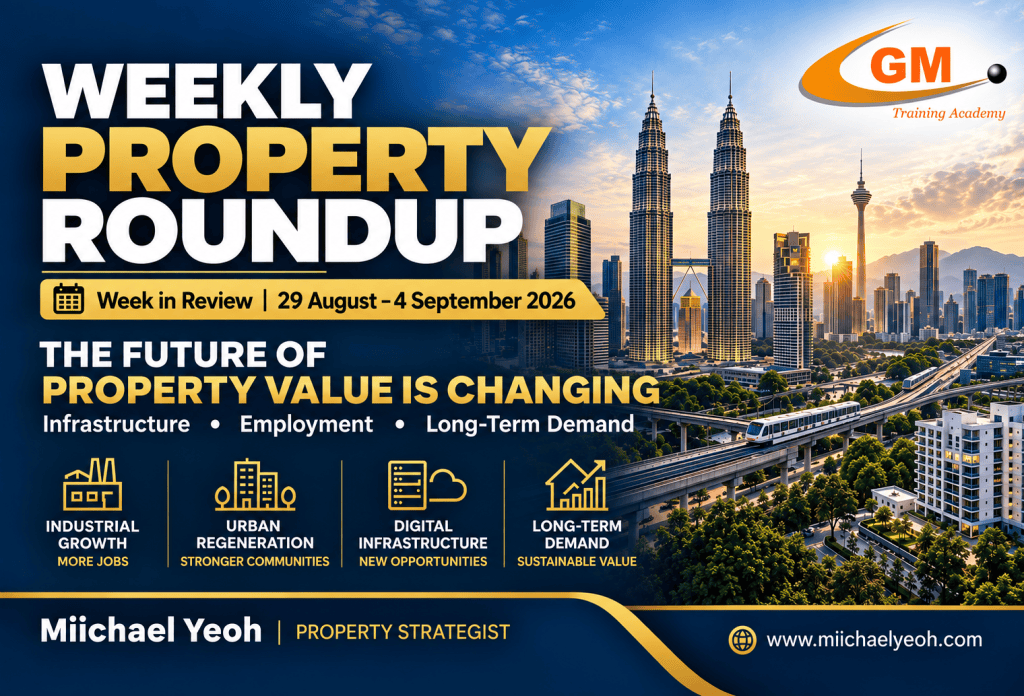
  • WEEKLY PROPERTY ROUNDUP | Week in Review (29 August – 4 September 2026)

    WEEKLY PROPERTY ROUNDUP | Week in Review (29 August – 4 September 2026)

    Top 3 developments I believe every buyer and investor should know

    Good morning everyone,

    Every week, I try to answer one simple question:

    What really matters in Malaysia’s property market?

    The biggest lesson from the past week is this: property value is increasingly created by infrastructure, employment and the quality of the surrounding ecosystem—not just by the building itself.

    Here are the Top 3 developments I believe every buyer and investor should know.

    1. Malaysia’s Industrial Growth Continues to Drive Property Demand

    Malaysia's semiconductor industry development strategy

    What happened?

    Malaysia’s advanced manufacturing and semiconductor sectors continued attracting new investment, with Penang remaining one of the country’s strongest industrial growth regions. Industry reports show industrial investment remains concentrated in high-value manufacturing, electronics and supply-chain expansion.

    Why it matters

    Industrial growth doesn’t just create factories—it creates jobs, talent, housing demand, logistics, retail and commercial activity. Historically, areas experiencing sustained employment growth tend to enjoy healthier long-term property demand than areas driven purely by speculation.

    Miichael’s Review

    Many buyers ask me:

    “Which project will appreciate the most?”

    I think the better question is:

    “Where will people still be working five to ten years from now?”

    Follow employment before following property prices.

    Source: Industrial investment & manufacturing reports.

    2. Urban Regeneration Is Becoming the New Growth Story

    Malaysia Real Estate & Property in Seremban | Bandar Sri Sendayan

    What happened?

    Developers continue investing in mixed-use regeneration projects within mature townships rather than expanding endlessly into new suburbs. Projects like PJ Quarter demonstrate a growing focus on integrating residential, retail, public spaces and community facilities into established neighbourhoods.

    Source: EdgeProp

    Why it matters

    Today’s buyers increasingly value:

    • Walkability
    • Public transport
    • Healthcare & education
    • Lifestyle convenience
    • Community spaces

    These factors often contribute more to sustainable demand than simply having a prestigious address.

    Miichael’s Review

    A property’s postcode is important.

    But its ecosystem is even more valuable.

    That’s where long-term liveability and resale demand are created.

    Source: Developer announcement & urban regeneration reports.

    3. Digital Infrastructure Is Quietly Changing Land Value

    支持AI算力部署!万国数据马来西亚努沙再也科技园数据中心园区(二期)正式投运 - 万国数据服务有限公司

    What happened?

    Malaysia’s digital infrastructure momentum continues as developers and institutional investors increasingly recognise the strategic value of land supported by power capacity, fibre connectivity and industrial infrastructure. Data centres remain one of the strongest emerging land-demand drivers across several Malaysian states.

    Why it matters

    The next property growth story may not begin with another condominium launch.

    It may begin with:

    • Power infrastructure
    • Data connectivity
    • AI & cloud investment
    • Industrial ecosystem
    • Business expansion

    Miichael’s Review

    The opportunity isn’t owning a data centre.

    The opportunity is identifying the surrounding locations that benefit from the jobs, businesses and services that follow.

    That’s where long-term property value is often created.

    Source: Digital infrastructure & property investment reports.

    📊 Property Snapshot This Week

    Industrial Investment

    Strong

    Advanced manufacturing continues supporting property demand.

    Growth Focus

    Mature Townships

    Urban regeneration is attracting developer investment.

    Emerging Driver

    Data Centres

    Power & connectivity are becoming strategic land assets.

    Buyer Trend

    More Selective

    Buyers are placing greater emphasis on long-term value.

    👀 Worth Watching

    Over the coming weeks, I’ll be watching four areas closely:

    • Expansion of Malaysia’s semiconductor ecosystem
    • New mixed-use regeneration projects
    • Data-centre related land acquisitions
    • Locations where employment growth translates into genuine housing demand

    These will likely become the next wave of meaningful property stories.

    🎯 My Takeaway This Week

    Three different stories.

    Industrial growth. Urban regeneration. Digital infrastructure.

    But they all point to one conclusion:

    Don’t evaluate the property in isolation. Evaluate the ecosystem that supports it.

    Before buying, I would always ask:

    • Where will the jobs come from?
    • Is infrastructure improving?
    • Will people genuinely want to live or work here?
    • What creates demand five years from today?

    That’s where better property decisions begin.

    Miichael Yeoh

    PROPERTY STRATEGIST

    🌐 http://www.miichaelyeoh.com

    Thank you for subscribing!

    Please check your email to confirming your subscription.

  • WEEKLY PROPERTY ROUNDUP

    WEEKLY PROPERTY ROUNDUP

    Week in Review | 22–28 August 2026

    Hi Everyone.

    This week’s property market highlights show one clear trend: the future value of property is increasingly being shaped by infrastructure, digital investment and the quality of the surrounding ecosystem.

    Here are the Top 5 developments that caught my attention.

    Looking down onto KLCC

    1. Data centres are redefining land value

    Mah Sing agreed to sell 78.8 acres of land at Southville City, Selangor, for approximately RM617.9 million to an international digital infrastructure group for data-centre development.

    Why it matters

    Land is no longer valued only for residential or commercial potential. Power capacity, fibre connectivity and digital infrastructure are becoming major value drivers.

    Miichael’s Review

    The real opportunity isn’t owning a data centre—it’s identifying the surrounding locations that will benefit from the jobs, businesses and ecosystem that follow.

    Aerial and ground view of high-voltage transmission towers in rural Malaysia, showing electricity infrastructure and power distribution network under bright sky.

    2. PJ Quarter brings new life to an established township

    Frasers Property and Tan & Tan announced PJ Quarter, a 5.15-hectare mixed-use redevelopment in Section 13, Petaling Jaya, integrating homes, retail, parks and community spaces.

    Why it matters

    This is a classic example of urban regeneration—creating value by improving the overall neighbourhood rather than simply building another project.

    Miichael’s Review

    A great location is more than an address. Sustainable value comes from the ecosystem around it: transport, education, healthcare, employment and lifestyle.

    Kepong New Condo Property Development | M Nova

    3. Malaysia’s industrial economy continues to support property demand

    Manufacturing and advanced industries continue to strengthen Malaysia’s investment landscape, particularly in Penang and key industrial corridors, reinforcing long-term demand for industrial and supporting residential property.

    Miichael’s Review

    Economic growth creates opportunities—but not every property benefits equally. Follow where employment and business investment are genuinely expanding.

    Johor Manufacturing - BizVantage 360 Malaysia

    4. Buyers are becoming more selective

    Developers and analysts continue to observe that today’s buyers are taking longer to make decisions, comparing projects more carefully and placing greater emphasis on affordability and long-term value.

    Miichael’s Review

    This is a healthy change. Instead of asking “Which project is the hottest?” buyers are beginning to ask “Which property makes the most sense for me?”

    Married couple reading carefully contract terms of conditions.

    5. The definition of property opportunity is changing

    Across this week’s stories, one message stands out: value is increasingly created by connectivity, infrastructure, regulation and economic activity, not simply by location alone.

    Miichael’s Review

    I believe the next successful property investor will not be the one who buys the most properties.

    It will be the one who understands why demand will exist five to ten years from now.

    Exploring the MRT Putrajaya : All you need to know about MRT Putrajaya in 2025! | PropertyGenie

    👀 Worth Watching

    I’ll be watching three areas over the coming weeks:

    • Growth of Malaysia’s digital infrastructure ecosystem
    • New urban regeneration projects in mature townships
    • Industrial investment creating new residential demand

    🎯 My Takeaway This Week

    The biggest lesson from this week is simple:

    Don’t just evaluate the property. Evaluate the ecosystem that supports it.

    Infrastructure, employment, connectivity and community are becoming the real foundations of long-term property value.

    That’s where better property decisions begin.

    Miichael Yeoh

    PROPERTY STRATEGIST

  • Am I buying the right property?

    Am I buying the right property?

    Why Some Penang Properties Generate Strong Rental Income While Others Struggle

    Over the years, I’ve met many property investors who ask me the same question:

    “Miichael, which property should I buy?”

    My answer is usually the same.

    The better question is:

    “Why do some properties perform better than others?”

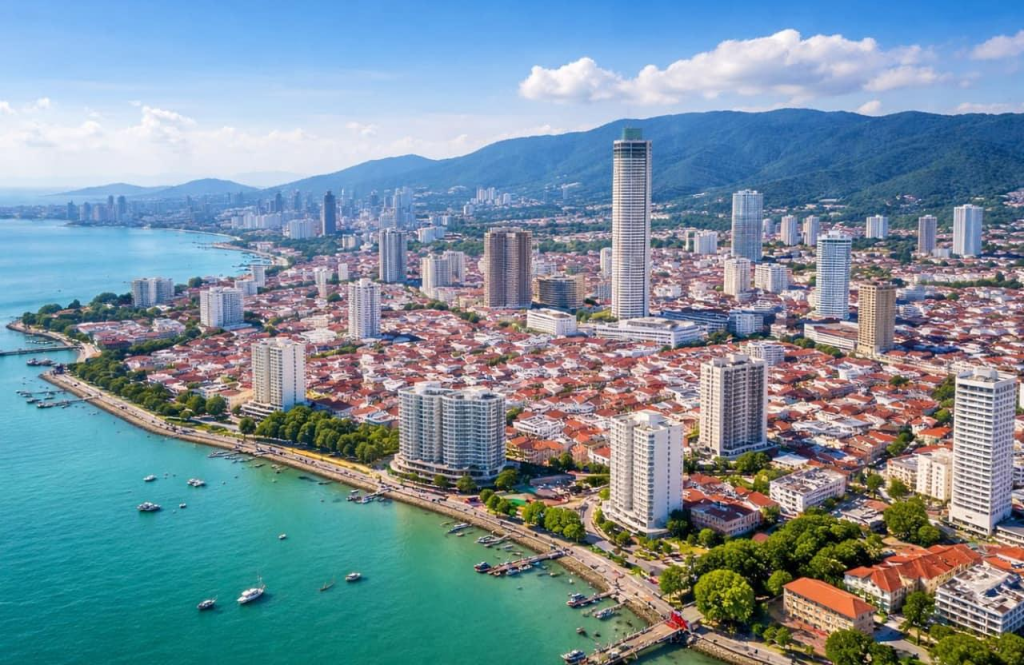
    Today, Penang continues to be one of Malaysia’s most attractive destinations. People come here for the food, culture, medical tourism, business opportunities, education, and lifestyle.

    As tourism and visitor arrivals continue to grow, so does the demand for short-term accommodation.

    This has created exciting opportunities for property investors.

    However, here’s something many people overlook.

    Not every property benefits equally.

    I’ve seen investors buy properties in popular locations only to discover that rental demand wasn’t as strong as expected.

    I’ve also seen investors achieve impressive returns because they understood something others missed.

    The difference often comes down to understanding the numbers.

    Location matters.

    Demand matters.

    Timing matters.

    What do ADR (Average Daily Rate) and occupancy rates really tell us?

    But perhaps most importantly, understanding rental data matters.

    How do you identify an area before prices start moving?

    How do you distinguish between a property that looks good and a property that actually performs well?

    These are the questions every investor should be asking.

    Another common misconception is that you need a large amount of capital to invest successfully.

    While capital helps, I’ve seen many investors structure their purchases intelligently through financing strategies, proper planning, and understanding market opportunities.

    Sometimes it’s not about how much money you have.

    It’s about how well you use it.

    That’s why I’ve decided to host a small-group sharing session in Penang where I’ll be revealing some of my latest research and observations on the rental market.

    We’ll discuss:

    ✔️ Insights from Penang’s Short-Term Rental Surge

    ✔️ How to identify high-yield property trends and focus areas

    ✔️ How to spot the right location before prices move

    ✔️ Understanding ADR, occupancy rates and real rental numbers

    ✔️ Building a profitable short-term rental strategy

    ✔️ Low-capital strategies that may help investors improve their returns

    Most importantly, this won’t be a typical seminar.

    We’ll be having discussions over coffee in a relaxed setting where you can ask questions and exchange ideas with fellow investors.

    Participants will also be invited to join an exclusive Property Study Tour to further enhance their understanding of location, demand drivers, and market opportunities.

    If you’re serious about understanding where Penang’s rental market is heading and how to position yourself for future opportunities, I believe you’ll find this session valuable.

    Event Details

    📅 Date: 20 June 2026 (Saturday)

    🕒 Time: 2:30 PM

    📍 Venue: Starbucks Coffee, Karpal Singh Drive, Penang

    ☕ Complimentary drink provided

    Seats are intentionally limited to ensure meaningful interaction and discussion.

    Register here: https://miichaelyeoh.com/event-page/

    I look forward to meeting you personally.

    — Miichael Yeoh

    Property Strategist | Developer Consultant | HRD Corp Certified Trainer

    Disclaimer: This reflects the author’s personal views based on market experience and current observations. It is not financial advice. Smart investors do their own research before making any move.

  • Is the Property Market Slowing Down… Or Are Buyers Becoming More Picky?

    Is the Property Market Slowing Down… Or Are Buyers Becoming More Picky?

    Lately, many people have been asking:

    “Is the property market slowing down?”

    Some projects are taking longer to sell.
    Some launches are seeing slower take-up.
    Buyers seem to be hesitating more before committing.

    At first glance, it may appear that the market is becoming weak.

    But when we look deeper into the numbers and buyer behaviour, the story may actually be different.

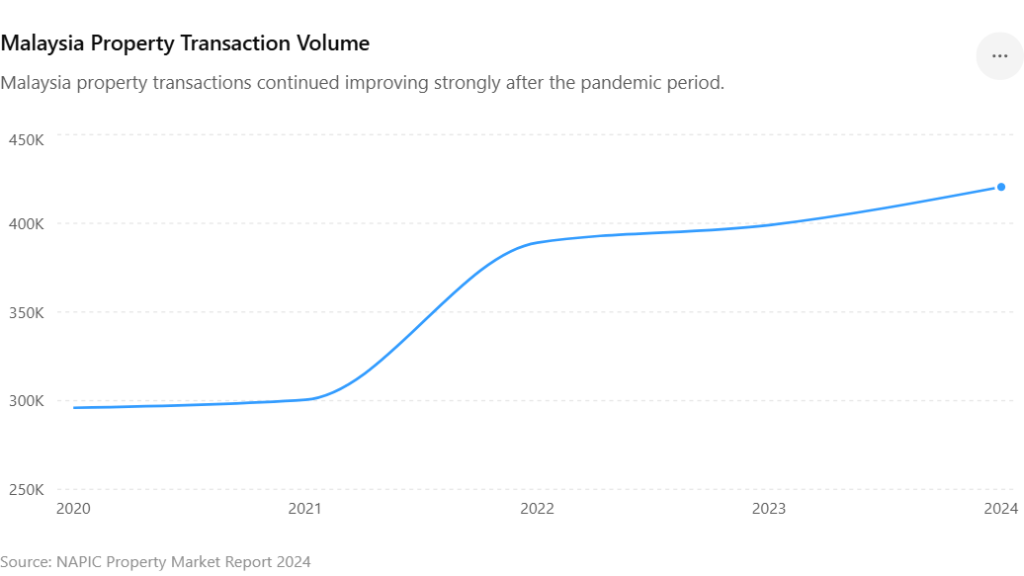
    According to the National Property Information Centre (NAPIC), Malaysia recorded more than 420,000 property transactions in 2024 — one of the strongest performances in the past decade.

    This tells us something important:
    The market still has buyers.

    However, today’s buyers are no longer buying property the same way they did years ago.

    Buyers today are becoming more informed, more cautious, and more selective before making decisions.

    In the past, some buyers purchased based on emotions, marketing hype, showroom designs, rebates, or fear of missing out (FOMO).

    Today, buyers are asking more questions:

    • Is the pricing reasonable?
    • Is there real demand in the area?
    • Can the property generate rental income?
    • Is the developer reliable?
    • Is there oversupply nearby?
    • Will the property still hold value in the future?

    In short — buyers today are becoming more picky.

    And honestly, that is not necessarily a bad thing.

    A property purchase is one of the biggest financial commitments for most people. Buyers today are thinking carefully about:

    • Monthly instalments
    • Interest rates
    • Maintenance fees
    • Cash flow commitments
    • Rental demand
    • Future resale value
    • Lifestyle suitability
    • Long-term financial stability

    This explains why some projects continue to perform well while others struggle with slower take-up.

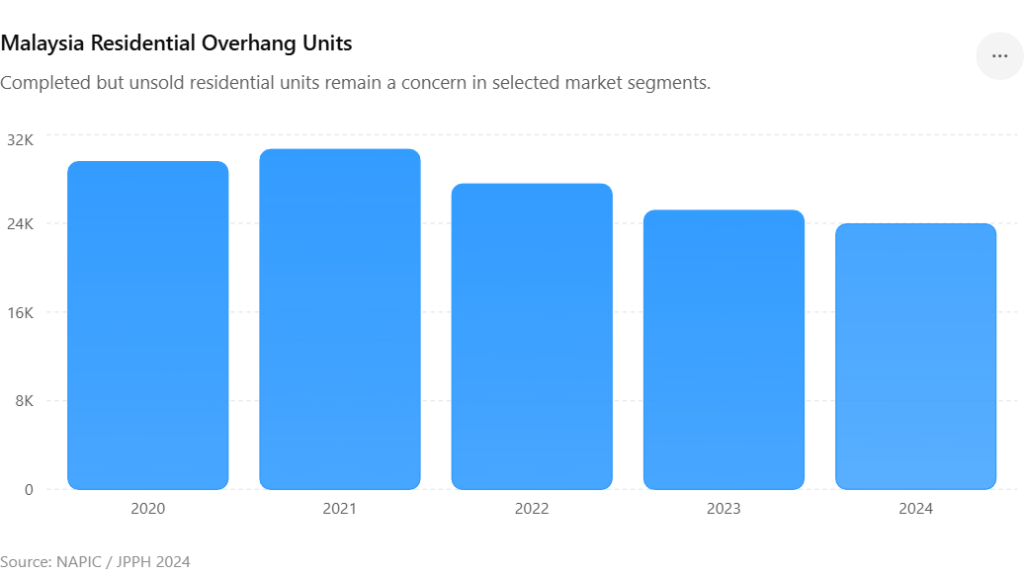
    In fact, NAPIC data also shows that Malaysia continues to face residential overhang issues in certain market segments. This means completed units remain unsold due to factors such as pricing mismatch, oversupply, poor accessibility, weak product positioning, or changing buyer preferences.

    This does not mean there are no buyers in the market.
    It simply means buyers are becoming more selective about where they place their money.

    Before buying any property project, buyers should spend time understanding:

    • The actual market demand
    • Existing and future supply in the area
    • Nearby competing developments
    • Developer track record and credibility
    • Connectivity and infrastructure plans
    • Market pricing compared to surrounding projects
    • Rental and resale potential
    • Their own financial holding power
    • Whether the property truly fits their long-term goals

    Many people still buy emotionally.
    But smart buyers buy strategically.

    A beautiful showroom alone should never be the reason to purchase a property.

    One thing I always encourage buyers to do before committing is to attend property seminars, educational talks, and market-sharing sessions.

    Why?

    Because knowledge reduces expensive mistakes.

    A good seminar can help buyers:

    • Understand current market trends
    • Learn from real case studies
    • Compare projects more objectively
    • Understand buyer psychology and market cycles
    • Avoid common investment mistakes
    • Gain confidence before making a large commitment

    In today’s market, education is becoming one of the most important tools for property buyers.

    The market may not necessarily be weak.
    It may simply be that buyers today are smarter, more informed, and more selective than before.

    And personally, I believe that is a healthy direction for the property market.

    From the Desk of,

    Miichael Yeoh

    Property Strategist

    Disclaimer: This reflects the author’s personal views based on market experience and current observations. It is not financial advice. Smart investors do their own research before making any move.

  • Before You Buy Property, Do This First — Or You’re Just Guessing

    Before You Buy Property, Do This First — Or You’re Just Guessing

    Smart Investors Don’t Start With Property — They Start With Demand

    Most people think property investment starts with:

    Location.
    Price.
    Developer.

    It doesn’t.

    It starts with a much more fundamental question:

    Are you buying for own use… or for investment?

    Because if you get this wrong, everything else becomes noise.


    Step 1: Define Your Purpose (No Grey Area)

    I’ve seen buyers say they are investing…

    But make decisions based on:

    • Design
    • Lifestyle
    • Personal preference

    That’s not investing.

    That’s emotion.

    If it’s own stay, you follow your lifestyle.

    If it’s investment, you follow demand and numbers.


    Step 2: Know Your Budget (This Sets Your Playing Field)

    Before anything else:

    • What is your true affordability?
    • What is your financing capacity?
    • What is your holding strength?

    Because in property:

    You don’t lose money when you buy wrong.
    You lose money when you can’t hold.

    Especially for investors—cash flow and holding power are everything.


    Step 3: Real Investors Do One Thing Differently — They RESEARCH

    This is the biggest gap in the market.

    Most buyers rely on:

    • Marketing materials
    • Sales narratives
    • “Good location” claims

    But experienced investors?

    They study the market before they commit.


    What Do You Actually Research?

    1. Demand & Demographics (The Real Starting Point)

    Forget the building first.

    Ask:

    Who is the end user of this property?

    • Young professionals?
    • Families?
    • Tourists?
    • Businesses?

    If you don’t understand demand,
    you’re not investing—you’re guessing.


    And This Is Where Industrial Property Becomes Interesting

    For big-budget investors, the shift is already happening.

    Demand is no longer driven by lifestyle.

    It’s driven by business movement and capital flow.

    Look at what’s happening:

    • Manufacturing relocation into Malaysia
    • Growth in logistics and warehousing
    • E-commerce expansion
    • Supply chain restructuring across ASEAN

    This creates a different type of demand:

    • Larger space requirements
    • Functional layouts over aesthetics
    • Accessibility to ports, highways, and labour
    • Long-term tenancy from businesses (not individuals)

    In other words:

    Industrial demand is economic-driven, not sentiment-driven.

    And that’s exactly what sophisticated investors are looking for.


    2. Price Per Square Foot (Entry Determines Exit)

    You make money when you buy right.

    Compare:

    • Nearby transactions
    • Competing projects
    • Replacement cost

    If you enter too high, your upside is already limited.


    3. Surrounding Supply (The Silent Risk)

    Most investors ignore this.

    But supply determines:

    • Rental pressure
    • Vacancy risk
    • Exit liquidity

    Too much incoming supply?

    Even a “good project” can underperform.


    4. Infrastructure & Connectivity (Follow the Growth)

    No area grows randomly.

    Growth follows:

    • Highways
    • Ports
    • Rail (LRT / MRT / logistics links)
    • Industrial corridors

    If infrastructure is expanding, demand usually follows.


    5. Rental & Yield Reality Check

    At the end of the day:

    Can it generate income?

    • What is the realistic rental?
    • Who is the tenant profile?
    • What is the occupancy expectation?

    If the numbers don’t work on paper,
    don’t rely on hope.


    What I’ve Learned From the Ground

    After evaluating multiple projects and markets, one thing is clear:

    The winners are not those who buy the most.
    The winners are those who understand demand the best.

    Every property I consider goes through:

    • Demand validation
    • Market comparison
    • Supply analysis
    • Financial assessment

    Because once you commit,
    you’re not just buying property…

    You’re locking in a decision for years.


    Final Thought

    Property investment has evolved.

    It’s no longer about chasing what’s popular.

    It’s about understanding why demand exists—and where it’s going next.

    Those who do the work will always have an edge.

    Those who don’t…

    Will always be reacting.


    Disclaimer: This reflects the author’s personal views based on market experience and current observations. It is not financial advice. Smart investors do their own research before making any move.

    From the Desk of

    Miichael Yeoh

  • Property Is Still Alive — But the Game Has Changed

    Property Is Still Alive — But the Game Has Changed

    Buying a property today is very different compared to 10 or 20 years ago.

    Back then, property could sell very easily.
    Developers launched, buyers queued, and decisions were made quickly.

    Today, the world has changed.

    The way people buy property has changed.
    The way markets behave has changed.
    And more importantly, the way buyers think has changed.

    Buyers today are far more informed.

    Before even paying a booking fee, many would have already:

    • Compared multiple projects
    • Studied pricing trends
    • Checked developer track record
    • Analysed location fundamentals
    • Calculated loan eligibility and cash flow

    In other words, today’s buyers are not just buyers — they are researchers.


    At the same time, the global environment is not exactly calm.

    We are seeing ongoing geopolitical tensions — from the US–Iran situation to instability in parts of the Middle East.
    Interest rates, inflation, and currency movements continue to shift.

    All these create one thing: uncertainty.

    And when uncertainty comes in, market behaviour changes.

    From what I observe in today’s property market:

    • Investors are waiting — not exiting
    • Sellers are holding — not reducing
    • Buyers are selective — not absent

    Let that sink in.

    The market is not dead.
    It is simply… more cautious.


    And here is something many people miss:

    👉 When the market is not stable, that is where the opportunity lies.

    Why?

    Because:

    • Less emotional buying
    • More rational pricing
    • More room for negotiation
    • More time to analyse properly

    In a hot market, people chase.
    In a cautious market, people choose.

    And those who choose well, win.


    This is exactly why I started focusing on Property Market Intelligence.

    Not just looking at property as a product,
    but understanding:

    • Market timing
    • Buyer psychology
    • Financing structure
    • Exit strategy
    • Risk positioning

    This approach is built from more than 25 years in the property and banking industry.

    I have gone through multiple market cycles:

    • Asian Financial Crisis
    • Global Financial Crisis
    • Property slowdowns
    • Policy changes
    • And shifting buyer behaviours across decades

    Every cycle teaches one thing:

    👉 The market will always move — but not everyone moves with it.


    Today, success in property is no longer about:
    “Buy and wait.”

    It is about:
    “Buy with clarity.”

    Because in today’s market:

    • Information is everywhere
    • But insight is rare

    If you are buying today, don’t just ask:

    “Is this a good property?”

    Ask instead:

    • Who will buy from me later?
    • What is the demand driver here?
    • How does financing affect my holding power?
    • What happens if the market stays slow for 3–5 years?

    That is how professionals think.


    The market has not disappeared.

    It has simply matured.

    And in a mature market,
    strategy will always beat impulse.


    Miichael Yeoh
    Property Strategist | Author

    Author of:
    Think Like a Banker, Act Like a Player
    Property Investment BLT
    Buying Property Like a Pro (MPH Bestseller)

  • Think Like a Banker Before You Buy Property

    Think Like a Banker Before You Buy Property

    One thing I learned from working closely with banks is this:

    Banks are extremely careful before approving a property loan.

    They analyse risks, stress-test your finances, and study whether you can survive difficult situations.

    But here’s the irony.

    Many property buyers don’t analyse their purchase the same way.

    They look at the show unit.
    They listen to marketing promises.
    They follow what others are buying.

    But they rarely ask the same questions a banker would ask.

    If you want to invest in property wisely, start by thinking like a banker.

    Here are three things bankers always analyse.


    1️⃣ Debt Ratio – Are You Stretching Yourself Too Thin?

    Banks look closely at your Debt Service Ratio (DSR).

    This measures how much of your income is used to pay debts.

    Even if a bank approves your loan, you should still ask yourself:

    • What happens if interest rates increase?
    • What if my income drops temporarily?
    • Will I still feel comfortable servicing the loan?

    A property might look affordable today.

    But bankers always plan for tomorrow’s risks.


    2️⃣ Holding Power – Can You Hold Through Market Cycles?

    Property markets don’t always go up.

    There will be slow periods.

    Bankers evaluate whether a borrower has the financial strength to continue paying during tough times.

    Smart investors should ask:

    • Can I hold this property for 5–10 years if needed?
    • Do I have cash reserves?
    • What if the market takes longer to recover?

    Many investors fail not because they bought the wrong property…

    They fail because they cannot hold it long enough.


    3️⃣ Rental Sustainability – Can the Property Support Itself?

    Another banker mindset is income sustainability.

    Before buying, ask:

    • Is there real rental demand here?
    • Who are the potential tenants?
    • Can the rental help support the loan?

    A strong investment property should ideally generate rental income that supports part of the financing.

    This reduces pressure and improves long-term stability.


    Final Thought

    Successful property investors don’t buy emotionally.

    They evaluate property like a banker evaluating risk.

    Before your next purchase, ask yourself:

    Does this property pass the banker’s test?

    When you start thinking like a banker, you don’t just buy property.

    You build a stronger and safer property portfolio.


    Miichael Yeoh
    Property Strategist | Developer Consultant | Investment & Mortgage Expert
    Author of Think Like a Banker, Act Like a Player

  • The Malaysian Property Market Has Changed — Are Buyers Buying the Right Way?

    The Malaysian Property Market Has Changed — Are Buyers Buying the Right Way?

    The Malaysian Property Market Has Changed — Are Buyers Buying the Right Way?

    For many years, property investing in Malaysia followed a familiar formula.

    Buy a new launch, wait a few years, and hope the price goes up.

    This strategy worked reasonably well during earlier property cycles when prices were rising quickly, financing was easier, and supply was more limited. Many investors entered the market believing that capital appreciation alone would justify the purchase.

    But today, the Malaysian property market has entered a different phase.

    The question buyers should now ask is no longer “Will the price go up?”
    The more important question is “Can this property sustain itself financially?”


    The Shift From Speculation to Sustainability

    Over the past decade, the mindset of property buyers has gradually evolved.

    Today’s buyers are more cautious, more analytical, and more focused on cash flow and long-term holding power.

    Instead of relying purely on future price appreciation, investors are increasingly asking questions such as:

    • What is the rental demand in this area?
    • Can the rental cover most of the loan instalment?
    • What happens if interest rates increase?
    • Who is the actual tenant profile for this property?

    These questions reflect a more mature approach to property investing.

    The reality is simple: not every property will appreciate significantly in the short term. When appreciation slows, the ability of the property to generate rental income becomes far more important.


    Financing Strategy Now Matters More Than Ever

    Another major shift in the market is the growing importance of financing structure.

    Many buyers focus heavily on the purchase price but pay little attention to how the property is financed. Yet the financing strategy can determine whether an investment becomes manageable or financially stressful.

    Buyers today need to consider:

    • Loan margin and interest rates
    • Monthly instalment affordability
    • Holding power during market slowdowns
    • Overall debt exposure

    A well-structured loan can give investors time and flexibility, while poor financial planning can force them to sell prematurely.

    Thinking about financing before buying is no longer optional — it is essential.


    Rental Demand Is Becoming a Key Decision Factor

    One of the biggest mistakes many investors made in the past was buying properties without considering who would actually rent the unit.

    Today, buyers are beginning to look more closely at demand drivers such as:

    • Proximity to employment hubs
    • Accessibility and transportation infrastructure
    • Nearby universities or hospitals
    • Tourism demand and short-term rental potential

    In markets like Penang, Kuala Lumpur, and Johor Bahru, rental demand is increasingly shaping investment decisions.

    For example, areas with strong tourism activity or major infrastructure developments may offer better rental prospects compared to purely speculative locations.

    The key question investors should ask is:

    “Who is my tenant?”

    If there is no clear answer, the investment may not perform as expected.


    The Role of Infrastructure and Economic Drivers

    Another important factor influencing property performance today is real economic activity.

    Infrastructure projects, transportation connectivity, employment centres, and tourism growth can significantly impact both rental demand and long-term property value.

    For instance, upcoming transportation developments and urban revitalisation projects in cities such as Georgetown could change demand patterns in the coming years.

    However, infrastructure alone does not guarantee success. The surrounding ecosystem — population growth, business activity, and lifestyle demand — must also support the property market.


    Buying Property Today Requires a Different Mindset

    The Malaysian property market has not disappeared. But the way buyers approach property must evolve.

    Successful investors today tend to follow a more balanced approach:

    • Evaluate rental yield and cash flow
    • Structure financing carefully
    • Understand real demand drivers
    • Focus on long-term sustainability

    In other words, the focus has shifted from short-term speculation to long-term investment discipline.


    A Final Thought

    Property has always been a long-term asset class.

    But in today’s market environment, buying property requires more than just optimism about future price growth.

    It requires careful thinking, realistic financial planning, and a clear understanding of market demand.

    The Malaysian property market has changed.

    The real question is — have buyers changed with it?


    Miichael Yeoh
    Property Strategist | Developer Consultant | HRD Corp Trainer

    Miichael Yeoh has more than 28 years of experience spanning banking, mortgage advisory, property investment, and developer consultancy. He is also the author of Think Like a Banker, Act Like a Player, Property Investment BLT, and Buying Property Like A Pro.