Subscribe to continue reading
Subscribe to get access to the rest of this post and other subscriber-only content.

Subscribe to get access to the rest of this post and other subscriber-only content.

As we come toward the mid of 2025, it’s timely to take a fresh look at the national Home Ownership Campaign (HOC) and related government initiatives aimed at making property ownership more accessible—especially for first-time buyers and middle-income earners.
Launched originally as a short-term measure, the Home Ownership Campaign 2.0 has been extended until December 31, 2025, in recognition of ongoing housing affordability challenges faced by Malaysians. Alongside this, the Budget 2025 unveiled a series of new incentives designed to further ease the journey to homeownership.
One of the most attractive features of the HOC 2.0 is the 100% stamp duty exemption on properties priced at RM500,000 and below, specifically for first-time homeowners. This incentive significantly reduces the upfront cost of purchasing a home and encourages more young Malaysians to step into the property market.

To support those without fixed income documentation—such as gig workers, freelancers, or small business owners—the government continues to offer loan guarantees through SJKP. This allows banks to approve housing loans of up to RM500,000 even for applicants with non-traditional income streams.
Also introduced under Budget 2025 is a new Step-Up Financing Scheme, which eases the repayment burden in the early years of a home loan. With government backing of RM5 billion, this scheme helps first-time buyers manage their finances while adjusting to homeownership.
From January 1, 2025, to December 31, 2027, buyers who sign a Sale and Purchase Agreement (SPA) can claim the following tax reliefs:
These tax incentives are designed to provide further savings for eligible homeowners over a 3-year period.
Budget 2025 also channels RM900 million toward affordable housing projects under the People’s Residency Program (PRR) and Rumah Mesra Rakyat (RMR). These programs aim to bridge the housing gap, particularly for B40 and M40 income groups, with strategic developments nationwide.
In addition, special financial aid—up to RM90,000—is available for those building homes under schemes such as PPRT, including communities in Chinese new villages and fishing settlements.

For those not ready to buy immediately, the Rent-to-Own (RTO) scheme allows applicants to rent a property for five years with the option to purchase it later. This offers a transitional pathway to homeownership while giving individuals time to strengthen their financial footing.
To enjoy the full benefits of these initiatives, applicants must typically meet the following conditions:
| Incentive | Details | Eligibility |
|---|---|---|
| Stamp Duty Exemption | 100% exemption for properties ≤ RM500,000 | First-time buyers only |
| Tax Relief | RM7,000/year (≤ RM500,000); RM5,000/year (RM500k–RM750k) for 3 years | SPA signed between 2025–2027 |
| Housing Credit Guarantee (SJKP) | Loan guarantee for properties ≤ RM500,000 | Buyers with irregular income |
| Step-Up Financing Scheme | Reduced repayments for first 5 years | First-time buyers |
| Affordable Housing (PRR/RMR) | RM900M allocated for low-income housing projects | B40 & M40 income groups |
| Rent-to-Own (RTO) Scheme | 5-year rental with option to buy | Middle-income buyers |
| Component | Property Price: RM480,000 | Savings |
|---|---|---|
| Stamp Duty (100% Exemption) | Normally ~RM9,600 | RM9,600 |
| Tax Relief (RM7k/year x3) | For 3 years | RM21,000 |
| Lower Initial Loan Repayment | via Step-Up Financing | ~RM15,000 over 5 years (est.) |
| Total Potential Savings | ~RM45,600 |
Note: Values are estimates and may vary by loan package and location.
Midway through 2025, Malaysia’s homeownership landscape remains favorable for aspiring buyers, thanks to proactive government support and long-term housing policies. Whether you’re looking to buy your first home, secure financing with flexible terms, or benefit from tax relief, now is an excellent time to take action.
If you’re considering a property purchase this year, consult with certified property consultants or financial planners to understand how these incentives apply to your personal situation. With the right guidance, 2025 could be the year you unlock the door to your own home.
From the Desk of
Miichael Yeoh


As of April 2025, the Accountant General’s Department of Malaysia (JANM) has recorded a staggering RM13.3 billion in Unclaimed Money (Wang Tak Dituntut – WTD). However, despite decades of awareness campaigns, only about RM4 billion has been successfully claimed since the initiative began in 1977.
According to Accountant General Nor Yati Ahmad, many Malaysians are still unaware that they might be entitled to unclaimed funds — or have never checked.
To improve public awareness, JANM is actively reaching out through community programs and mobile campaigns, especially in rural areas. But the process remains simple for anyone, anywhere, with internet access.
Unclaimed Money refers to funds that legally belong to an individual but remain unpaid for over one year. These include:

Important:
✔️ Claims are free of charge
✔️ There is no time limit to submit your claim
If you’ve ever opened a bank account, had an insurance policy, received dividends, or worked in Malaysia, there’s a chance you may have unclaimed money waiting. Take just 5 minutes to check — and share this with your family and friends. It could make a real difference!
From the desk of
Miichael Yeoh
This week’s Weekly Property Roundup examines three Malaysian property developments and two international housing trends, from Johor’s long-term development pipeline and REIT income to Japan’s rising condo prices and the US housing affordability challenge.

This week’s property roundup examines cautious developer launches in Malaysia, the rehabilitation of housing projects, a proposed REIT listing, Dubai’s shift towards completed homes and Canada’s slowing housing market.
A new launch offers modern features and developer incentives. A subsale lets you inspect the actual property and assess existing demand. Discover the differences before deciding which is right for you

Malaysia’s property market experienced a decline in transaction value in the first quarter of 2025 (1Q2025), with a drop of 8.9% to RM51.42 billion, compared to RM56.47 billion in the same period last year, according to the latest report from the National Property Information Centre (Napic).
Transaction volume also decreased by 6.2% year-on-year, recording 97,772 transactions in 1Q2025, down from 104,194 transactions in 1Q2024, Napic stated in its Friday report.
Despite the downturn, Valuation and Property Services Department director general Abdul Razak Yusak noted that the property market is expected to remain resilient, buoyed by growth in the construction sector and a rise in newly launched residential units.
“Industry players and property developers should stay vigilant given the current market dynamics, global economic uncertainties, and evolving external factors,” he said.

Residential Overhang and New Launches
Napic reported a significant increase in new residential launches, with 12,498 units introduced in 1Q2025, more than double the 5,585 units launched in 1Q2024. However, the sales performance remained moderate, with a sales rate of 10.8%.
The residential overhang rose slightly by 1.6% to 23,515 units valued at RM15 billion, a 7.7% increase in value compared to the same quarter last year. Nevertheless, on a quarterly basis, the overhang showed improvement, with volume and value declining by 2.9% and 9.0%, respectively.
The serviced apartment sector recorded a 6.7% year-on-year reduction in overhang volume, totaling 18,246 units, while the value declined by 6.9% to RM14.61 billion. Abdul Razak noted that Johor Bahru’s serviced apartment market showed signs of recovery, with overhang units reducing by 5.6% in 1Q2025 compared to 4Q2024.
Shopping complexes also saw a slight improvement in occupancy rates, rising to 79.0% from 78.8% in the previous quarter.
Meanwhile, the Malaysian House Price Index (MHPI) for 1Q2025 stood at 225.3 points, with the average house price recorded at RM486,070, reflecting a modest annual growth rate of 0.9%.

Impact on Property Market
The decline in transaction value and volume in 1Q2025 may signal a period of caution for property investors. With a higher number of unsold units, developers might consider offering more incentives or adjusting pricing strategies to attract buyers. On the other hand, the rise in new launches indicates continued confidence in the market’s long-term potential. Investors are advised to monitor upcoming economic policies and market trends closely, as these factors could significantly influence buyer sentiment and market dynamics in the coming quarters.
from the desk of
Miichael Yeoh
Latest Articles
Malaysia’s Budget 2027 puts first-home buyer support in focus, while infrastructure delivery in Sabah and fresh data from Australia and the UK offer important lessons for property buyers and investors.
Malaysia Budget 2027 proposes expanded stamp duty exemptions for first-home buyers, RM20 billion in housing financing guarantees and measures to revive abandoned housing projects. Discover what these announcements could mean for homebuyers, property investors and developers, including the potential impact on Penang’s property market.
This article emphasizes the importance of selecting the right property based on individual circumstances, rather than solely predicting market trends. It highlights Malaysia’s resilient property market , underscored by vital factors affecting demand.
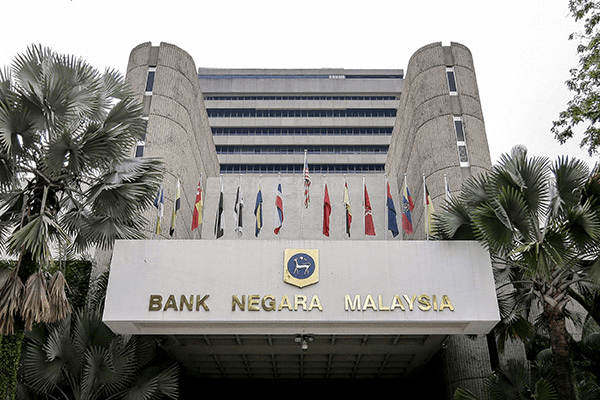
Bank Negara Malaysia (BNM) has recently announced a reduction in the Statutory Reserve Requirement (SRR) ratio from 2% to 1%. This move is part of a broader strategy to ensure sufficient liquidity in the financial system, supporting economic growth amidst current economic challenges. But what exactly does this mean, and how will it impact individuals and businesses? Let’s break it down.
The Statutory Reserve Requirement (SRR) is the percentage of a bank’s total deposits that must be kept as reserves with Bank Negara Malaysia. Essentially, it is a tool used by the central bank to control the money supply in the economy. When the SRR is lowered, banks are required to hold less money in reserve, thereby freeing up more funds that can be lent out to businesses and individuals.
The reduction in the SRR by 1% is expected to release approximately RM19 billion into the banking system, effective from 17 May 2025. This significant injection of liquidity aims to provide banks with more funds for lending and to stimulate economic activities during this period of economic uncertainty.
The reduction in the SRR from 2% to 1% is aimed at increasing liquidity in the banking system. By allowing banks to keep less money in reserve, more funds become available for lending purposes. This is particularly crucial during periods of economic uncertainty when businesses and individuals may require more financial support. It also helps to reduce the cost of funds for banks, potentially leading to lower interest rates.

While the reduction in SRR can stimulate lending and economic growth, it is essential to consider potential risks. Increased lending could lead to higher household debt if borrowers overextend themselves. Additionally, excessive liquidity could contribute to asset bubbles if funds are channeled into speculative investments.
The reduction in SRR from 2% to 1% by Bank Negara Malaysia is a strategic move to increase liquidity and stimulate economic activity. While this creates more lending opportunities and potentially lower interest rates, it is crucial for borrowers to exercise caution and assess their financial capacity before taking on additional debt. Similarly, depositors should monitor interest rate trends to make informed decisions regarding their savings and investments.
From The Desk of
Miichael Yeoh

The Employees Provident Fund (EPF), or Kumpulan Wang Simpanan Pekerja (KWSP), plays a crucial role in retirement planning for millions of Malaysians. Whether you’re just starting your career or planning to retire soon, understanding how EPF works is essential to building a secure financial future.
This updated 2025 guide covers everything you need to know about EPF — from contributions and dividends to withdrawals and the latest changes.
EPF is a government-managed retirement savings scheme designed to help Malaysian workers in the private and non-pensionable public sectors save consistently during their working years.
Think of it as a mandatory savings plan, where both the employer and employee contribute a fixed percentage of the employee’s monthly salary. These contributions are then invested in a diversified portfolio — including property, equities, and bonds — to generate long-term returns.
Members can withdraw their savings upon retirement or under special conditions such as:
EPF contributions are mandatory for:
Foreign workers and expatriates can opt out, unless otherwise required by their contract. Meanwhile, self-employed individuals and freelancers can contribute voluntarily to build their own retirement savings.
Here are the official EPF contribution rates for 2025:
| Age Group | Employer | Employee |
|---|---|---|
| Below 60 (Salary ≤ RM5,000) | 13% | 11% |
| Below 60 (Salary > RM5,000) | 12% | 11% |
| 60 and above | 4% | 0% (optional) |
➡️ Employees may voluntarily increase their personal contributions above 11%.
| Employer | Employee |
|---|---|
| 2% | 2% |
This new mandate is part of the Employees Provident Fund (Amendment) Bill 2025.

EPF savings grow over time through annual dividends, typically announced in the first quarter each year. These dividends are based on returns from EPF’s investment activities.
Dividends are compounded, meaning you earn returns on your contributions and on past years’ dividends.
The annual cap for voluntary contributors is now RM100,000 — great news for freelancers and business owners.
The all-new KWSP i-Akaun app offers powerful features, including:

While EPF is designed for retirement, members may withdraw savings under specific conditions:
Each type of withdrawal has its own set of requirements and documentation.
Managing your EPF account is simple and convenient with i-Akaun.
EPF self-service kiosks are also available nationwide for walk-in services.
🔸 “I can’t change my EPF nominee.”
✅ You can update it anytime via the app or at a branch.
🔸 “EPF is only useful at retirement.”
✅ You can make partial withdrawals for housing, education, or health.
🔸 “EPF dividends are fixed.”
✅ They fluctuate based on EPF’s investment performance.
🔸 “I don’t need to check my EPF.”
✅ Mistakes, outdated information, or missing nominees can cause serious issues later.
Q: Can I contribute more than 11%?
Yes, you can increase your contribution or make additional voluntary payments.
Q: What happens to my EPF when I die?
It will go to your nominated beneficiary. If no nominee is listed, the funds will go through estate administration.
Q: Can I switch to a Shariah-compliant EPF account?
Yes, but only during specific switching windows announced by EPF.
Q: Is my EPF money safe?
Yes. EPF is backed by the Malaysian government and is one of the most secure long-term savings tools available.
✅ Secure Retirement
EPF ensures Malaysians have savings to support themselves after leaving the workforce, reducing reliance on family or government aid.
✅ Steady Growth Through Dividends
Your money grows each year via compounding dividends, making it one of the most stable long-term savings tools.
✅ Government Protection
EPF is backed by the Malaysian government, making it a low-risk savings platform.
✅ Financial Flexibility
Members can access their savings before retirement for housing, education, or medical needs — giving them a financial buffer during key life events.
✅ Easy Account Management
With tools like the upgraded i-Akaun app, managing, tracking, and planning for your future has never been easier.
EPF is not just a retirement fund — it’s a powerful financial safety net that helps Malaysians prepare for the future. By understanding your contributions, making informed withdrawal decisions, and using the i-Akaun app, you can take control of your financial destiny.
Plan smart. Save smart. Retire strong.
From the Desk of
Miichael Yeoh
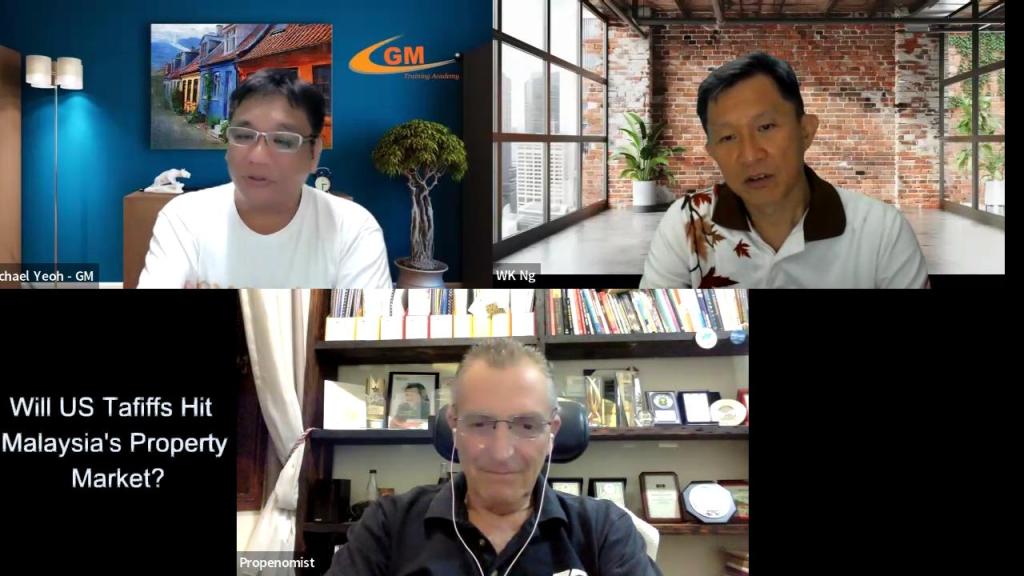
Over the past few weeks, the global economic community has been buzzing with concern: Will the U.S. impose new tariffs on Malaysia? And if so, what does it mean for our local economy — especially the property market?
In response to growing public interest, I hosted a last-minute live Zoom forum on this critical issue, joined by three seasoned experts:
🔹 Miichael Yeoh – CEO of GM Training Academy
🔹 Dr. Daniele Gambero – economist and CEO of REI Group
🔹 WK Ng – former Dell director turned full-time property investor
View the recorded video for more information:

In Malaysia, each state has its own regulations and conditions for foreign property purchases, including minimum purchase prices and additional requirements. Here’s a breakdown of the key differences across states:
Foreigners are generally required to buy properties above a certain price threshold, which varies by state:
| State | Minimum Price (MYR) | Additional Conditions |
|---|---|---|
| Kuala Lumpur | RM 1,000,000 | None for most properties; some high-end condos may have lower thresholds. |
| Selangor | RM 2,000,000 | Foreigners can only buy properties ≥RM 2M (since 2024). |
| Penang | RM 1,000,000 (Island) | RM 800,000 for mainland (Seberang Perai). Some exceptions for high-end projects. |
| Johor | RM 1,000,000 | RM 2M for landed properties in certain zones (e.g., Iskandar Malaysia). |
| Malacca | RM 1,000,000 (urban) | RM 500,000 for rural areas (subject to state approval). |
| Sabah | RM 1,000,000 | Additional approval from state authorities required. |
| Sarawak | RM 1,000,000 (urban) | Foreigners need special approval from state government; higher scrutiny. |
| Perak | RM 1,000,000 | RM 500,000 for some agricultural/industrial properties. |
| Pahang | RM 1,000,000 | Lower thresholds (RM 500,000) for certain tourism projects. |
| Kedah | RM 1,000,000 | RM 500,000 for industrial/commercial properties. |
| Kelantan | RM 1,000,000 | Additional state consent required. |
| Terengganu | RM 1,000,000 | Some exceptions for tourism-related properties. |
| Negeri Sembilan | RM 1,000,000 | RM 500,000 for commercial/industrial properties. |
| Perlis | RM 1,000,000 | Fewer foreign buyers; state approval needed. |

Foreign buyers should check with the state land office and consult a local lawyer before purchasing property in Malaysia, as rules can change. Popular investment destinations like Kuala Lumpur, Penang, and Johor have stricter conditions compared to smaller states.
From the Desk of
Miichael Yeoh

The recent announcement by Housing and Local Government Minister Nga Kor Ming regarding the blacklisting of 109 housing developers is a significant step toward enhancing transparency and protecting homebuyers in Malaysia. By making this list publicly accessible on the ministry’s website, potential buyers can now verify the credibility of developers before making purchasing decisions.
This initiative is part of broader efforts to address issues related to abandoned projects and fraudulent practices in the housing sector. The proposed amendments to the Housing Development (Control and Licensing) Act 1966 aim to impose stricter penalties on errant developers, including potential travel bans and substantial fines.
While these measures demonstrate the government’s commitment to safeguarding homebuyers, it’s crucial for individuals to conduct thorough due diligence. Beyond consulting the blacklist, prospective buyers should assess developers’ track records, financial stability, and past project completions. Engaging with real estate professionals and seeking legal advice can further ensure informed decisions.
In summary, the public disclosure of blacklisted developers is a commendable move toward greater accountability in Malaysia’s housing industry. However, a collaborative approach involving stringent enforcement, legislative reforms, and proactive consumer awareness is essential to foster a trustworthy and resilient housing market.
Read related article by The Star
Homebuyers beware: 109 housing developers blacklisted, says Nga | The Star
From the Desk of
Miichael Yeoh

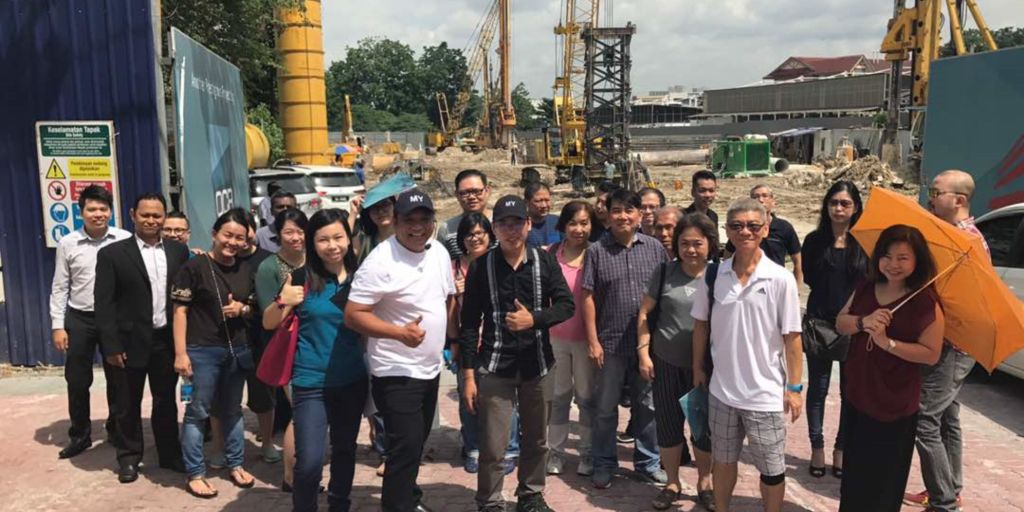
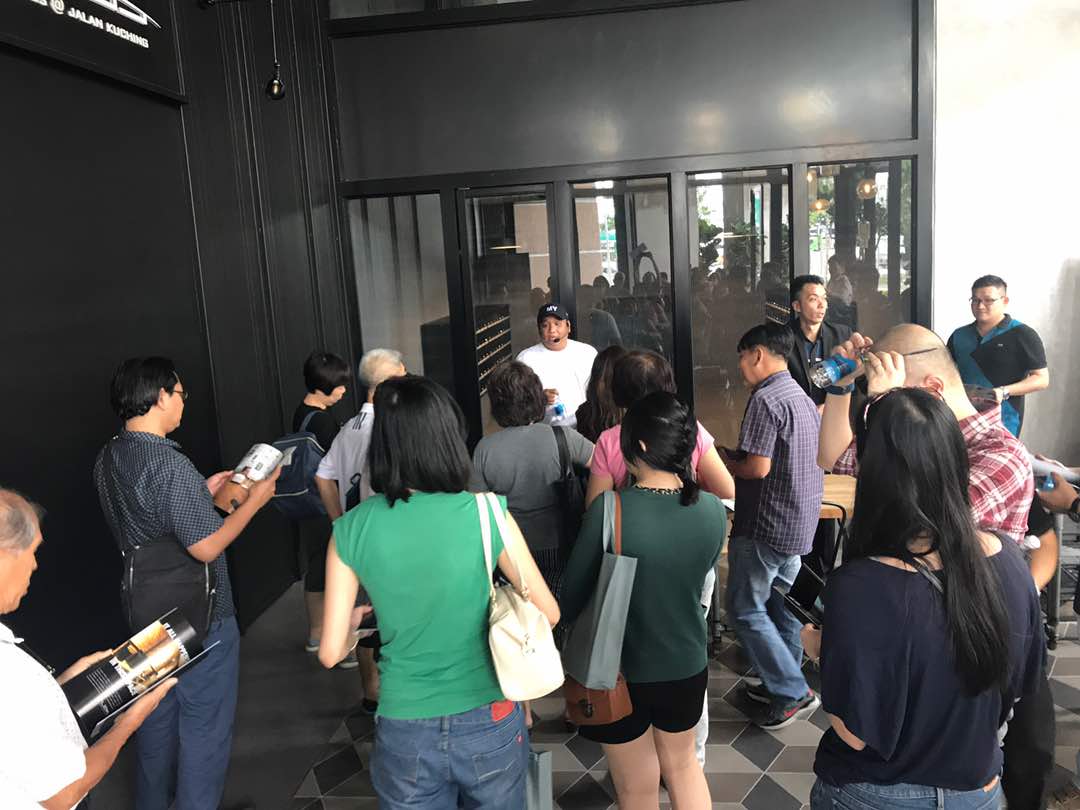
As a property investment coach and mentor, I’ve seen firsthand how powerful a property study trip can be for investors at all levels. Whether you’re a seasoned investor or just starting out, nothing beats the experience of visiting properties in person, analyzing market trends, and networking with experts. That’s why I organize property study trips—to give you a competitive edge in the real estate market. Here’s why you should join me on this journey.

Browsing online listings and reading brochures only tell part of the story. When you join my property study tour, you’ll get to walk through the properties, examine the surroundings, and see if they align with your investment goals. I’ll guide you in assessing crucial aspects like location, infrastructure, and future development plans so you can make a well-informed decision. Plus, I’ll share my insights on what to look for in a profitable property, helping you avoid costly mistakes.

Every property market operates differently, and the key to successful investing is understanding these nuances. On my study tours, I provide in-depth briefings on market trends, pricing structures, and upcoming investment hotspots. You’ll also hear from local experts who can offer data-driven insights into property price movements and rental yields. I’ve spent years studying the market, and I’ll help you cut through the noise to identify real opportunities.
One of the biggest advantages of joining my study trips is the opportunity to meet and network with like-minded investors. Many of my past participants have formed business partnerships, co-invested in properties, or simply found a supportive community to grow with. Learning from the experiences of others can be incredibly valuable, and I make sure to create an environment where everyone can share and learn together.
Through my network and relationships with developers, I often get access to exclusive deals that aren’t available to the general public. This means you’ll have the chance to secure high-potential properties before they hit the open market. Developers also offer special discounts, incentives, and flexible payment plans to my study trip attendees—something you wouldn’t get if you were searching on your own.
Investing in property isn’t just about buying a house or unit—it’s about making the right investment decisions. I provide expert guidance throughout the trip, helping you analyze risks, assess potential returns, and navigate financing options. You’ll also gain insights into legal requirements, taxation, and property management. With my years of experience in property investment and financial consulting, I’ll make sure you’re equipped with the knowledge you need to succeed.

A great investment isn’t just about the property itself—it’s also about the surrounding lifestyle, infrastructure, and amenities. By visiting the location in person, you’ll get a feel for the area, check out nearby facilities, and determine whether it aligns with your personal or investment objectives. I’ll also share my insights on which neighborhoods have the most growth potential and what to watch out for when assessing an area’s long-term viability.

One of the biggest challenges new investors face is hesitation and uncertainty. I believe that seeing is believing, and by joining my study trip, you’ll gain the confidence to make informed investment decisions. I’ll help you weigh the pros and cons of different properties so you can make a calculated decision rather than relying on guesswork.
Not all property investments are the same. During the tour, I’ll introduce you to different strategies such as buying for rental yield, flipping properties, or capital appreciation. You’ll also learn about new trends like co-living spaces and serviced apartments that can diversify your portfolio. By understanding these strategies, you’ll be able to choose an approach that aligns with your financial goals.

I always include real-life case studies in my study trips, sharing stories of successful property investors who have built wealth through smart real estate decisions. These case studies provide valuable lessons, helping you understand what works and what doesn’t in property investment. You’ll hear from actual investors who share their journeys, challenges, and strategies.
Unlike attending a seminar or watching an online course, a property study tour allows you to take action immediately. If you find a property that meets your criteria, you can reserve it on the spot—often with exclusive perks and discounts. Many of my past participants have successfully secured properties during the trip, giving them a head start in their investment journey.

I’ve designed my property study tours to be an immersive, hands-on learning experience that equips you with the knowledge, connections, and confidence to invest successfully. Whether you’re looking for your first property or expanding your portfolio, this tour will give you a significant advantage. Don’t miss out on this opportunity—join me on the next study trip and take your property investment journey to the next level!
Most importantly, my property study tours are not just about learning and investing—they’re also about having fun! You’ll get to travel, explore new locations, and enjoy meaningful conversations with fellow property enthusiasts. It’s a great way to bond with like-minded individuals, share experiences, and build lasting relationships in a relaxed and enjoyable setting. See you on the next trip!









Did you know that 70% of Malaysians exhaust their EPF savings within just five years of retirement?
This is a shocking reality, but it doesn’t have to be yours. Without proper financial and mortgage planning, many people find themselves struggling with rising living costs, increasing debt, and an uncertain future.
Many people believe that simply saving money in a bank or relying on EPF will be enough to sustain them after retirement. However, with inflation, economic uncertainties, and an increasing cost of living, savings alone are not enough. To secure your financial future, you need a smart strategy that builds wealth while you sleep—and that’s where financial and mortgage planning come in.
If you want to retire rich, not broke, it’s time to take control of your financial future!

The Importance of Financial & Mortgage Planning
1️⃣ Your Salary Alone is Not Enough
Many Malaysians rely solely on their salaries as their primary source of income. However, depending only on salary comes with risks:
❌ Job insecurity – What happens if you lose your job or your business slows down?
❌ Limited earning potential – Salary increments may not keep up with rising expenses.
❌ No long-term wealth creation – Once you stop working, your income stops too.
By understanding financial planning and leveraging mortgages, you can turn your income into wealth-building assets like property investments that generate passive income.
✅ Smart financial planning ensures that your money works for you, not the other way around.
2️⃣ The Rising Cost of Living & Inflation
The price of food, petrol, housing, and healthcare has been rising every year. What seems affordable today might be out of reach in the next five or ten years.
📌 Example: 12 years ago, a property in Kuala Lumpur cost RM300,000. Today, the same property is worth RM600,000. If you had bought it back then, you would have gained RM300,000 in capital appreciation.
Now imagine if you had invested in properties over the years—how much wealth would you have built?
This is why financial planning and leveraging mortgages for property investment is crucial. The sooner you start, the better you can protect yourself from inflation and rising costs.
3️⃣ Using Mortgages as a Wealth-Building Tool
Many people see mortgages as a burden. But in reality, a mortgage is one of the most powerful financial tools you can use to build wealth.
Here’s how:
✅ Leverage: With a mortgage, you can own high-value properties with only a fraction of the cost upfront.
✅ Passive Income: By renting out your properties, you create a steady income stream that covers loan repayments and generates profit.
✅ Capital Appreciation: Over time, property values tend to increase, helping you build long-term wealth.

4️⃣ Securing Your Retirement with Smart Investments
Many retirees face financial struggles because they failed to plan early. Without a steady stream of passive income, they depend entirely on their savings, which can deplete quickly.
A well-structured mortgage plan can help you own multiple properties that generate rental income. This means that by the time you retire, you’ll have a steady cash flow to support your lifestyle—without relying on savings alone!
How to Start Planning Your Financial Future Today
🔹 Understand how mortgages work – Learn how to maximize loan approvals and use mortgages to grow your wealth.
🔹 Invest in the right properties – Avoid costly mistakes and find properties that give high returns.
🔹 Create multiple income streams – Secure your future with passive income from real estate investments.
Final Thought: The Best Time to Invest is NOW!
Many people delay financial planning, thinking they have plenty of time. But the truth is, the longer you wait, the harder it becomes to build wealth.
💡 The best time to invest was yesterday. The second-best time is NOW!
🚀 Don’t wait until it’s too late. Take charge of your financial future today!
From the Desk of
Miichael Yeoh

After two days of insightful discussions, expert sharing, and valuable networking, the Real Estate Summit 2025 (RES2025) has officially concluded! This event brought together some of the most renowned experts in real estate, finance, and investment, providing participants with actionable insights into the property market, financial planning, and smart investment strategies for 2025.
We were honored to welcome participants from Malaysia, the Philippines, Singapore, the USA, Germany, and many other countries. The diversity of attendees enriched discussions and created a vibrant learning environment.
First and foremost, we extend our deepest gratitude to all participants for attending RES2025. Your enthusiasm and eagerness to learn made this event truly impactful.
A special appreciation to our distinguished speakers, whose expertise and insights played a crucial role in the success of RES2025:
🔹 Dato’ Sri Gavin Tee – A real estate expert who shared his forecast on the 2025 property market and upcoming investment opportunities.
🔹 Richard Oon – A taxation and financial planning specialist who guided participants on tax-saving strategies and financial management for property investors.
🔹 Dr. Daniele Gambero – A respected market analyst who discussed real estate trends, mortgage challenges, and investment potential in 2025.
🔹 Dr. Elane Goh – A finance and investment strategist who shared her insights on wealth creation through property investments and financial planning.
🔹 WK Ng – A seasoned property investor who transitioned from the corporate world to full-time investing, providing real-life success strategies.
🔹 KW Wong – A PropTech innovator and Secretary-General of the Malaysia PropTech Association, who spoke about the digital transformation of the rental market.
🔹 Charles Tan – A leading property market analyst who offered valuable perspectives on Malaysia’s evolving real estate landscape.
🔹 Miichael Yeoh – A mortgage and financial expert, who emphasized the importance of planning before making any major investment decisions.
Your dedication and willingness to share your knowledge made RES2025 a game-changing event for all attendees.
Special thanks to our co-organiser POLA Malaysia and our media partners Property Hunter and kopiandproperty.






Throughout the two-day summit, participants gained powerful insights into the property industry, with topics covering:
✔️ Where to Invest in 2025 – Discovering high-potential investment hotspots.
✔️ Real Estate Market Trends – Adapting to economic shifts and evolving regulations.
✔️ Financial Planning & Taxation – Understanding tax incentives, financial structures, and mortgage strategies.
✔️ Mortgage Market 2025 – The latest developments in home financing and lending policies.
✔️ PropTech Innovations – The rise of digital property platforms and the impact on buying, selling, and renting.
✔️ Investment Strategies – How to build a profitable real estate portfolio.
As Miichael Yeoh emphasized in his session: “Plan first before making your next move.” Strategic financial and investment planning is essential to achieving long-term success in real estate.

Beyond expert talks, RES2025 provided an invaluable opportunity for participants to connect with industry leaders, experienced investors, and like-minded individuals. The event fostered an environment where attendees could exchange ideas, gain exclusive insights, and build meaningful professional relationships.
The success of RES2025 reaffirms GM Training Academy’s commitment to empowering individuals with property education and financial literacy. We believe that informed decisions lead to successful investments, and we are dedicated to helping investors, homeowners, and professionals navigate the ever-changing real estate market.
🚀 Upcoming Initiatives:
✅ More masterclasses and training workshops
✅ Exclusive webinars featuring top industry experts
✅ Property investment study tours
✅ Advanced financial and mortgage planning courses
📢 Missed RES2025? No worries! Stay connected with us for upcoming programs that will continue to provide valuable industry insights and expert guidance.
Once again, THANK YOU to all our participants and speakers for making RES2025 a grand success! We look forward to seeing you at our next event.