The Malaysian Property Market Has Changed — Are Buyers Buying the Right Way?
For many years, property investing in Malaysia followed a familiar formula.
Buy a new launch, wait a few years, and hope the price goes up.
This strategy worked reasonably well during earlier property cycles when prices were rising quickly, financing was easier, and supply was more limited. Many investors entered the market believing that capital appreciation alone would justify the purchase.
But today, the Malaysian property market has entered a different phase.
The question buyers should now ask is no longer “Will the price go up?” The more important question is “Can this property sustain itself financially?”
The Shift From Speculation to Sustainability
Over the past decade, the mindset of property buyers has gradually evolved.
Today’s buyers are more cautious, more analytical, and more focused on cash flow and long-term holding power.
Instead of relying purely on future price appreciation, investors are increasingly asking questions such as:
What is the rental demand in this area?
Can the rental cover most of the loan instalment?
What happens if interest rates increase?
Who is the actual tenant profile for this property?
These questions reflect a more mature approach to property investing.
The reality is simple: not every property will appreciate significantly in the short term. When appreciation slows, the ability of the property to generate rental income becomes far more important.
Financing Strategy Now Matters More Than Ever
Another major shift in the market is the growing importance of financing structure.
Many buyers focus heavily on the purchase price but pay little attention to how the property is financed. Yet the financing strategy can determine whether an investment becomes manageable or financially stressful.
Buyers today need to consider:
Loan margin and interest rates
Monthly instalment affordability
Holding power during market slowdowns
Overall debt exposure
A well-structured loan can give investors time and flexibility, while poor financial planning can force them to sell prematurely.
Thinking about financing before buying is no longer optional — it is essential.
Rental Demand Is Becoming a Key Decision Factor
One of the biggest mistakes many investors made in the past was buying properties without considering who would actually rent the unit.
Today, buyers are beginning to look more closely at demand drivers such as:
Proximity to employment hubs
Accessibility and transportation infrastructure
Nearby universities or hospitals
Tourism demand and short-term rental potential
In markets like Penang, Kuala Lumpur, and Johor Bahru, rental demand is increasingly shaping investment decisions.
For example, areas with strong tourism activity or major infrastructure developments may offer better rental prospects compared to purely speculative locations.
The key question investors should ask is:
“Who is my tenant?”
If there is no clear answer, the investment may not perform as expected.
The Role of Infrastructure and Economic Drivers
Another important factor influencing property performance today is real economic activity.
Infrastructure projects, transportation connectivity, employment centres, and tourism growth can significantly impact both rental demand and long-term property value.
For instance, upcoming transportation developments and urban revitalisation projects in cities such as Georgetown could change demand patterns in the coming years.
However, infrastructure alone does not guarantee success. The surrounding ecosystem — population growth, business activity, and lifestyle demand — must also support the property market.
Buying Property Today Requires a Different Mindset
The Malaysian property market has not disappeared. But the way buyers approach property must evolve.
Successful investors today tend to follow a more balanced approach:
Evaluate rental yield and cash flow
Structure financing carefully
Understand real demand drivers
Focus on long-term sustainability
In other words, the focus has shifted from short-term speculation to long-term investment discipline.
A Final Thought
Property has always been a long-term asset class.
But in today’s market environment, buying property requires more than just optimism about future price growth.
It requires careful thinking, realistic financial planning, and a clear understanding of market demand.
The Malaysian property market has changed.
The real question is — have buyers changed with it?
Miichael Yeoh has more than 28 years of experience spanning banking, mortgage advisory, property investment, and developer consultancy. He is also the author of Think Like a Banker, Act Like a Player, Property Investment BLT, and Buying Property Like A Pro.
As someone who has spent nearly three decades in banking, mortgage advisory and property strategy, one question I get repeatedly from investors and homebuyers is:
“Why did my bank increase (or educe) my interest rate when I didn’t change anything?”
The answer almost always traces back to one key number — the Overnight Policy Rate (OPR).
Let’s break down how OPR is derived, who decides it, and how it directly affects your housing loan, business financing, and even fixed deposits.
What Is OPR?
Bank Negara Malaysia (BNM) uses the Overnight Policy Rate (OPR) as its main monetary policy tool.
The OPR is the interest rate at which banks lend money to one another overnight. It serves as the benchmark rate that influences all other interest rates in the country.
Think of it as the “master switch” of Malaysia’s financial system.
How Is OPR Derived?
OPR is not randomly adjusted. It is decided by BNM’s Monetary Policy Committee (MPC) based on several key economic indicators:
1️⃣ Inflation (Price Stability)
If inflation is rising too quickly, BNM may increase OPR to slow down spending and borrowing. If inflation is low or the economy is weak, BNM may reduce OPR to stimulate growth.
2️⃣ Economic Growth (GDP)
Strong economic growth may lead to higher OPR to prevent overheating. Weak GDP growth may lead to lower OPR to encourage borrowing and investment.
3️⃣ Employment & Consumer Spending
High unemployment? Lower OPR to boost activity. Strong consumer demand? Possibly tighten policy.
4️⃣ Global Economic Conditions
US Federal Reserve rates, global trade trends, currency strength, and geopolitical risks all influence Malaysia’s monetary decisions.
5️⃣ Financial System Stability
BNM ensures banks remain liquid and stable. OPR adjustments help manage systemic risk.
In simple terms:
OPR balances growth and inflation.
How OPR Affects Banks’ Interest Rates
When OPR changes, banks adjust their benchmark rates such as:
BR (Base Rate)
SBR (Standardised Base Rate)
Most housing loans today are priced as:
SBR + Spread (e.g., SBR + 1.5%)
When OPR increases:
SBR increases
Monthly instalments increase
Loan affordability reduces
When OPR decreases:
SBR decreases
Monthly instalments reduce
Borrowing becomes cheaper
Example: How It Impacts a Housing Loan
Let’s say:
Loan: RM500,000
Tenure: 35 years
Rate: SBR 3.00% + 1.50% = 4.50%
If OPR increases by 0.25%:
SBR may rise to 3.25%
New rate becomes 4.75%
Monthly instalment increases
Even a 0.25% increase can mean thousands of ringgit extra over the loan tenure.
This is why property investors must monitor OPR closely.
Impact on Different Groups
🏠 Homeowners
Higher OPR = higher instalments (if on floating rate).
🏢 Property Investors
Rental yield may be squeezed if instalments rise but rental cannot increase proportionally.
💼 Businesses
Cost of financing increases, affecting expansion decisions.
💰 Savers
Good news — Fixed deposit rates usually improve when OPR rises.
Why OPR Matters in Property Strategy
As a developer consultant and property strategist, I always advise clients:
Don’t only calculate today’s instalment. Stress-test at +1% or +2%.
Markets move in cycles. OPR will not stay low forever.
Smart investors:
Lock in good spreads during low-rate environments
Structure debt efficiently
Maintain cash flow buffers
Final Thoughts
OPR is not just a technical banking term.
It is the heartbeat of the financial system, influencing property prices, loan affordability, rental yields, and overall market sentiment.
Understanding how it works allows you to:
Make better borrowing decisions
Time property acquisitions strategically
Structure financing intelligently
If you are planning your next property move, always ask:
“What is the interest rate cycle telling me?”
Because in property investing, Timing and financing strategy often matter more than price.
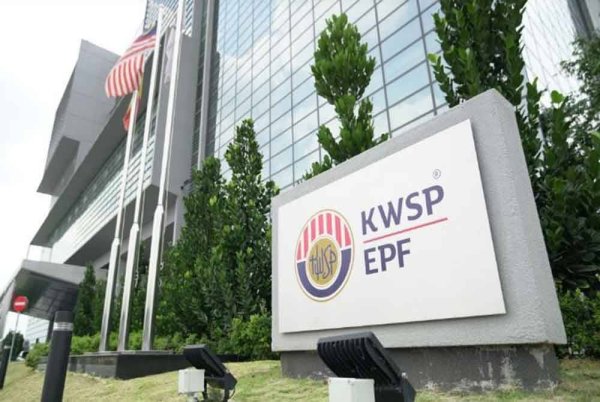
Happy New Year, friends! Starting today, a suite of important changes to the Employees Provident Fund (EPF) takes effect — and if you’re serious about building financial security and retirement freedom, you’ll want to know what these mean for you.
As someone who talks to regular Malaysians about money, property and long-term planning every week, my goal is simple: help you turn policies into practical moves you can use to grow your wealth.
Let’s break this down in a way that’s clear and actionable.
EPF has introduced a Retirement Income Adequacy (RIA) Framework that gives benchmarks for how much you should aim to save by retirement:
Basic Savings: RM390,000
Adequate Savings: RM650,000
Enhanced Savings: RM1.3 million These are guidelines, not limits — but they are extremely useful targets to align your financial plan with real aspirations and lifestyle goals in retirement.
🔹 2. More Flexibility for High-Savings Members
If you’ve been disciplined and grown your EPF to more than RM1 million, the new rules give you more control over that excess:
From 2026, the threshold before you can withdraw excess savings will increase gradually — starting at RM1.1M this year, then RM1.2M and RM1.3M in future years.
Why is this smart? Because the policy encourages strong retirement savings first before letting you unlock surplus funds — great if you are thinking about investment or business opportunities after securing your basics.
🔹 3. New Opportunities for Gig and Informal Workers
This is a huge deal for drivers, riders and the self-employed: EPF is launching i-Saraan Plus, an enhanced contribution scheme just for gig workers — with government matching of up to RM600 per year (capped at RM6,000 lifetime).
This means you’re effectively getting a subsidy from the government just for saving — and that boosts your retirement-nest egg without extra burden.
🔹 4. i-Suri Extended to Age 60
For homemakers and spouses who contribute voluntarily under i-Suri, the eligibility age has been raised from 55 to 60. Plus, the 50% government matching incentive continues — meaning more government help to grow your savings pot.
For many families, this is a practical way to build savings even without a traditional salary.
🔹 5. Haj Withdrawal Limit Increased
Good news if performing Hajj is in your 2026 plans: You can now withdraw up to RM10,000 from your EPF Hajj savings, up from RM3,000 previously — and with a simpler process.
This change shows that EPF understands real life goals — not just retirement — and is adapting to help you plan important life milestones.
🔹 6. Helpful Changes to Investment Eligibility
The Members Investment Scheme (MIS) — which lets EPF contributors invest part of their savings — will now align with the basic RIA savings level. This means the minimum savings balance required for MIS participation increases gradually, ensuring that investment decisions don’t compromise your core retirement needs.
What This Means for Your Money Strategy
Here’s how you can think about these changes in your financial plan:
✅ Make EPF savings your foundation — the new RIA Framework gives goals to aim for. ✅ If you’re a gig worker or informal worker, take advantage of voluntary schemes like i-Saraan Plus — free government matching is like extra income. ✅ Plan ahead for retirement AND life goals — from Hajj to home deposits to future business capital. ✅ Keep investing mindfully — the MIS changes protect retirement security first, while letting disciplined savers grow their wealth.
My Take: Retirement Isn’t Just an Age — It’s a Strategy
Too many Malaysians think of EPF as just something you touch at 55. But with these changes, EPF is becoming a more powerful engine for lifelong financial planning — from your 20s all the way to retirement and beyond.
If you’re building property portfolios, planning business income, or aiming for financial freedom, understanding how to use EPF strategically makes all the difference.
Stay savvy, stay disciplined — and let’s make 2026 the year your financial future gets real traction.
💬 Got questions about how to align these EPF changes with your property or investment goals? Ask me below!
New Rules, Regulations & When Refinancing Actually Makes Sense
Over the years, refinancing has been one of the most powerful financial tools for Malaysian homeowners and property investors. Used correctly, it can improve cash flow, reduce interest costs, or unlock equity for smarter investments.
However, recent regulatory changes by Bank Negara Malaysia (BNM) mean refinancing is no longer as straightforward as before — especially when it involves cash-out.
If you’re considering refinancing your property in 2025 or beyond, here’s what you must understand before making a move.
What Is Property Refinancing?
Property refinancing simply means replacing your existing home loan with a new loan, usually with another bank, based on your property’s current market value.
Homeowners typically refinance to:
Get a lower interest rate
Reduce monthly instalments
Adjust loan tenure
Access cash from accumulated property equity
Consolidate high-interest debts
The strategy itself hasn’t changed — the rules have.
What’s New? Key Refinancing Rules You Must Know
1. Cash-Out Refinancing Is Now More Restrictive
One of the biggest changes affects cash-out refinancing.
If you refinance and take extra cash for personal use (such as lifestyle spending, personal debts, or non-income-generating purposes), that portion may now be treated as personal financing, not a housing loan.
👉 Key impact:
The cash-out portion may be capped at a maximum repayment tenure of 10 years
Monthly instalments will be significantly higher compared to spreading it over 30–35 years
This is a major shift. In the past, many borrowers stretched cash-out amounts across the full home loan tenure, keeping instalments low but debt long.
2. Stronger Affordability & DSR Checks
Banks are now applying stricter Debt Service Ratio (DSR) assessments, especially for:
Multiple property owners
Refinancing with cash-out
Borrowers with existing personal loans or credit card balances
Even if your property value has increased, approval is no longer guaranteed if your cash flow doesn’t support the new repayment structure.
3. More Transparency on Loan Costs
BNM has reinforced rules to ensure:
Clear disclosure of effective interest rates
Transparent breakdown of total repayment costs
Fair interest calculations based on reducing balance, not outdated methods
This protects borrowers — but it also means banks are less flexible with “creative structuring”.
Why Did Bank Negara Tighten Refinancing Rules?
The objective is simple: reduce unhealthy household debt behaviour.
Over the years, many Malaysians:
Used refinancing repeatedly for lifestyle spending
Rolled short-term debts into long-term housing loans
Focused on “low monthly instalment” instead of total debt impact
The new rules encourage:
Responsible borrowing
Better financial planning
Using refinancing for productive purposes, not emotional decisions
So… Why Should You Refinance a Property?
Refinancing still makes sense — if done for the right reasons.
1. To Lower Your Interest Rate
If your current loan is:
On an old package
Above current market rates
Refinancing can reduce:
Monthly instalments
Total interest paid over the loan tenure
This is the cleanest and safest reason to refinance.
2. To Improve Monthly Cash Flow
Some homeowners refinance to:
Extend tenure
Reduce instalments
Create breathing space for cash flow
This can be helpful during:
Business expansion
Income transition
Temporary financial tightening
However, it must be done strategically, not emotionally.
3. To Access Equity for Income-Producing Purposes
This is where refinancing still shines — when the cash is used productively, such as:
Renovating a rental property
Funding another investment
Business expansion with clear returns
Banks are generally more supportive when refinancing is tied to income generation, not consumption.
4. Debt Consolidation (With Caution)
Refinancing to clear:
Credit cards
Personal loans
can reduce interest costs if discipline improves after refinancing.
If spending habits remain unchanged, refinancing only delays the problem.
5. To Restructure Your Property Portfolio
For investors, refinancing can be used to:
Optimise loan structure across multiple properties
Release equity to rebalance portfolio risk
Improve overall holding power
This requires proper planning — not just chasing approval.
What You Should Consider Before Refinancing
Before signing anything, ask yourself:
✔ Does refinancing truly save money after legal & valuation costs? ✔ Can I comfortably afford repayments if cash-out tenure is shorter? ✔ Am I refinancing for strategy — or short-term relief? ✔ Does this move strengthen my financial position 5–10 years from now?
Refinancing is a tool. Used correctly, it builds wealth. Used wrongly, it creates silent financial stress.
Final Thoughts from Miichael
In today’s environment, refinancing is no longer about “how much cash can I take out”.
The real question is:
Does this refinancing decision improve my financial position — or just make today easier at tomorrow’s expense?
With tighter rules in place, planning matters more than approval.
If you’re unsure whether refinancing makes sense for your situation, get proper advice before committing. The cost of a wrong decision today can take years to undo.
LHDN has officially released the 2025 Income Tax Relief List, and this is one update every Malaysian taxpayer should pay attention to — especially employees, business owners, and property investors.
Why? Because tax reliefs are legal ways to reduce your tax payable, yet many Malaysians either under-claim or miss them entirely due to poor planning or last-minute filing.
Let’s break down what this means and how you can optimise your tax position before the year ends.
What Is the LHDN Tax Relief List?
The LHDN Tax Relief List outlines approved expenses that taxpayers can deduct from their chargeable income when filing their annual income tax return.
Simply put: 👉 The more legitimate reliefs you claim, the less tax you pay — legally.
This list is updated periodically to reflect:
Rising cost of living
Education and healthcare needs
Retirement and family responsibilities
Digital and lifestyle expenses
Key Tax Reliefs Malaysians Can Claim in 2025
Below are some of the most commonly used — yet often under-claimed — tax reliefs for YA 2025.
1. Individual & Dependent Relief
Individual relief: RM9,000
Spouse (no income): RM4,000
Child relief: up to RM8,000 per child (higher for education level)
👉 Ensure your spouse and children details are properly declared.
2. Lifestyle Expenses (Up to RM2,500)
This remains one of the most popular reliefs, covering:
Books, journals, magazines
Sports equipment
Computer, smartphone, tablet
Internet subscription
⚠ Keep receipts — LHDN may request proof.
3. Medical Expenses (Self, Spouse & Parents)
You can claim medical expenses for:
Serious diseases
Medical check-ups
Dental treatment
Special needs and disabilities
Claims can go up to RM8,000, depending on category.
This is especially relevant for professionals and business owners upgrading their skills.
6. Housing-Related Reliefs (If Applicable)
Depending on eligibility:
Housing loan interest relief (subject to conditions)
First-time homebuyer incentives (if applicable)
⚠ These are often misunderstood — get proper advice before claiming.
Common Mistakes Taxpayers Make
From my experience, many taxpayers:
Rush to file without reviewing reliefs
Lose receipts and documentation
Assume certain expenses are “not claimable”
Follow advice from unverified online sources
Claim incorrectly and risk penalties later
Remember: ❌ Under-claiming = paying more tax than necessary ❌ Wrong claiming = penalties and audit risk
What You Should Do Before Year End
Here’s a simple checklist:
✔ Review the 2025 relief list early ✔ Plan major expenses before 31 December ✔ Organise receipts digitally ✔ Review EPF, insurance, and PRS contributions ✔ Seek advice if you have rental or business income
Tax planning is not done in April — it’s done before December ends.
Final Thoughts from Miichael
Tax reliefs are not loopholes — they are government-approved incentives meant to ease financial burden.
Those who benefit most are not the highest earners — but those who plan early and claim correctly.
If you’re unsure what you can claim, especially as a property investor, freelancer, or business owner, get clarity before filing.
The Malaysian property market has been through a lot in the last few years — pandemic, inflation, rising construction costs, slow wage growth, and changing buyer behaviour. But as we step into 2025, one thing is clear:
Property is still moving… but the market is no longer the same. Buyers are more cautious, banks are more selective, and affordability remains a major issue.
Here’s my take on what’s really happening in the residential property and mortgage landscape, and what you should pay attention to — especially if you’re planning to buy, invest, or restructure your loans.
📈 Long-Term Price Trend: Property Still Moves Up
Whether the market is “good” or “bad”, one fact remains consistent:
Property prices in Malaysia have been rising steadily for the last 20+ years.
Urban areas like Klang Valley, Penang and Johor consistently show appreciation because of:
population growth
job concentration
infrastructure development
scarcity of prime land
But here’s the catch: House prices have risen much faster than income, making affordability the No.1 challenge for Malaysians today.
This explains why many young buyers are stuck deciding between renting longer… or compromising on location and size.
🏘️ What’s Happening in the Market Now?
1. Transaction volume is rising — but buyers are choosy
2024 recorded strong growth in overall property transactions, and 2025 is projected to see single-digit positive growth. People are buying — but not blindly.
Buyers today compare:
price per sq ft
rental potential
exit value
access to MRT / LRT
developer reputation
Gone are the days when anything “new launch” can sell out. Today, value matters more than hype.
💰 Mortgage & Financing Trend: Here’s the Real Story
The biggest shift recently is OPR dropping to 2.75%, making borrowing cheaper.
This directly means:
Lower monthly instalments
Higher loan eligibility
Better cashflow for investors
But with great news comes reality… Banks are approving loans more carefully than ever.
Your CCRIS, CTOS, commitments and even gig-income consistency matter. If your financial health is not clean, even a low OPR won’t help you.
For many Malaysians, the challenge isn’t interest rate — it’s getting the loan approved.
🧱 Supply vs Demand: The Affordable Gap
You’re hearing this everywhere:
“So many houses unsold!” —but at the same time— “I can’t find any home I can afford!”
Why? Because the overhang is mainly:
too expensive for the mass market
too big (1,000 sq ft and above)
wrong location
This mismatch will continue unless developers pivot more aggressively into the mid-market segment.
🧭 What Buyers & Investors Should Look At Now
✔️ If you’re a first-time buyer
This is a golden window. Low OPR + many choices + developers offering incentives = value for money.
Look for:
good location > big size
future MRT/LRT corridors
reputable developers
high rental demand areas
✔️ If you’re an investor
Capital gain will still happen — but don’t expect overnight appreciation. Focus on:
rental yield
undervalued areas
distress or motivated sellers
T.O.P. projects with ready tenants
The smart investors in 2025 are not speculating. They’re buying below market value, or in growth corridors, or early in new infrastructure zones.
✔️ If you own multiple properties with loans
This is the best time to:
refinance
consolidate debts
reset your cashflow
restructure your portfolio
A small adjustment in interest rate can save thousands per year.
🧩 Conclusion: The Market Isn’t Booming, But It’s Moving
Malaysia’s residential market today is stable, resilient, and buyer-driven. We’re not in a bubble. We’re not in a crash.
We’re in a value-driven market, where the winners are: ✔️ informed buyers ✔️ strategic investors ✔️ those who manage their loans wisely
If you understand the trends — and you know how to analyse value correctly — 2025-2026 can be a very profitable year for you.
Today, the property industry is noisier than ever. Everywhere you look — social media, webinars, billboards, YouTube ads — there’s a new “property guru” promising fast riches, zero-risk investments, and financial freedom in record time.
The problem? Most Malaysians are not confused because property is complicated. They’re confused because they are overloaded with marketing disguised as education.
And that’s where many fall into what I call The Property Guru Trap.
When Marketing Pretends to Be Education
Here’s the uncomfortable truth: not all property educators are educators. Many are simply excellent marketers.
Their formula is simple:
Showcase luxury lifestyle
Highlight “student success” without context
Push urgency: Buy now or miss out forever
Sell emotion, not strategy
You’re not being taught how to think. You’re being told what to buy.
Real education gives you clarity. Marketing creates pressure. One empowers. The other manipulates.
A Real Story I See Too Often
Just last year, a couple in their early 30s came to me after attending my property seminar. They had purchased three so-called “hot projects” based on hype incentives.
On paper, it looked attractive. In reality:
Both units were negative cashflow
Rental demand was weak
Their monthly commitments were choking their lifestyle
They weren’t irresponsible. They were simply following loud voices instead of clear frameworks.
And sadly, this is becoming the norm — not the exception.
The Real Cost of Following the Wrong Advice
I’ve met too many people who:
Bought units with negative cashflow
Overleveraged based on “hot tips”
Ended up with properties that can’t be rented
Are stuck servicing loans that don’t perform
Not because they were careless — but because they trusted confidently delivered advice without understanding the fundamentals.
A true educator helps you analyze. A salesperson helps you justify.
There is a difference.
How to Tell If You’re Learning or Being Sold To
✅ Real Education Will:
Teach you how to calculate ROI, yield, and risk
Help you understand bank approval logic
Show both pros AND cons of a deal
Focus on your personal financial situation
Encourage long-term thinking
🚩 Pure Marketing Will:
Avoid numbers and focus on hype
“Guaranteed rental must make sense”
Emphasize lifestyle more than strategy
Create fear of missing out
Push for immediate commitment
If the main goal is to close you fast — it’s not education. It’s sales.
Property Success Is Built on Structure, Not Excitement
Smart investors don’t rely on tips. They rely on process.
They understand:
Why banks approve or reject loans
How debt strategy impacts long-term wealth
The difference between speculation and investment
That timing alone doesn’t beat fundamentals
This is why structured learning matters. Not a weekend motivation high — but a system that builds independent decision-makers.
The Role of a Real Property Educator
A real educator doesn’t create dependency. They create capability.
You should walk away able to:
Analyse any project yourself
Question assumptions
Say NO to bad deals
Build a property plan based on your life goals, not someone else’s wins
Because the ultimate goal is not to follow a guru. It is to become your own strategist.
My Commitment to Property Education
For over a decade, my focus has never been about selling you a project. It has always been about equipping you with a framework:
A banker’s mindset to assess risk
An investor’s eye to spot opportunity
A player’s strategy to move smartly in the real world
Property is a powerful wealth tool — but only when approached with clarity, structure, and knowledge.
Not hype. Not shortcuts. Not empty promises.
Final Thought
Before you follow any advice, ask yourself:
“Am I being educated — or am I being persuaded?”
The moment you learn to differentiate the two, you stop being a follower… And start becoming a true property investor.
Property Matching: The Missing Link Most Gurus Ignore
One of the biggest differences between real education and marketing is this:
Marketing pushes projects. Education focuses on property matching.
Property matching means selecting a property based on who YOU are — not what the developer wants to sell.
It considers:
Your income structure
Your existing commitments
Your risk profile
Your investment timeline
Your cashflow capability
Your long-term objectives
Instead of asking: “Which project is hot now?”
The right question is: “Which property fits my current financial position and future strategy?”
This is exactly why many buyers end up stressed. They buy what is popular — not what is suitable.
A proper property matching process helps you:
Avoid overcommitting
Prevent loan rejection issues
Choose units with realistic rental demand
Align property type with your wealth plan
There is no such thing as a universally good property. Only a property that is good for the RIGHT person.
And this step is often skipped in high-pressure sales environments — because matching takes time, analysis, and honesty.
That’s not convenient for fast sales. But it is essential for sustainable investing.
Ready to Learn Property the Right Way?
If you’re serious about building wealth through property — not just buying based on emotion — then it’s time to approach it with strategy.
✅ Learn how banks really assess your loan ✅ Understand cashflow before committing ✅ Build a property roadmap aligned to your life goals
Join my upcoming property programme or consultation session and start making decisions with clarity, not pressure.
Because wealth is not built on motivation. It is built on informed decisions.
Tourism in Malaysia is bouncing back — and it’s not just recovering, it’s growing stronger than before. As we move closer to Visit Malaysia Year 2026 (VM2026), the numbers are looking solid, and the opportunities are exciting for those in travel, hospitality, and even property.
🇲🇾 The Big Picture
According to the Department of Statistics, domestic tourism in late 2024 hit 66.8 million trips, with Malaysians spending RM29 billion — that’s a 21% jump from the year before.
On the international front, Malaysia welcomed 12.9 million foreign visitors in just the first half of 2025. The sector is once again one of the country’s strongest pillars for growth — good news for business owners, developers, and local communities alike.
🌍 Top 5 Countries Visiting Malaysia (2024 Figures)
Rank
Country
Visitors
🥇 1
Singapore
9.10 million
🥈 2
Indonesia
3.65 million
🥉 3
China
3.29 million
4
Thailand
1.64 million
5
Brunei
1.14 million
(Source: The Star, Feb 2025)
In total, 25.02 million international tourists came to Malaysia in 2024 — up 24.2% from 2023 — generating RM106 billion in receipts.
No surprise that Singapore tops the list with easy land access and frequent travel. But what’s interesting is how China has made a strong comeback — Penang and KL are seeing a sharp rise in Chinese arrivals, especially after new flight routes were launched.
Indonesia remains one of our most loyal markets, with over 590 direct flights weekly between the two countries. And though Brunei and Thailand are smaller contributors, their proximity keeps border traffic vibrant, especially to East Malaysia.
✈️ What’s Driving Malaysia’s Tourism Growth
1️⃣ Better Connectivity
Penang alone recorded a 118% increase in Chinese arrivals early this year, thanks to more direct flights. Malaysia is also targeting 4.3 million Indonesian tourists in 2025 — and building new connections with Central Asia and the Middle East to diversify source markets.
2️⃣ Diversifying Tourism Beyond Beaches
Malaysia is moving beyond the usual “sun and sea” image. There’s now a stronger push for:
Medical tourism (especially Penang and KL)
Eco and community-based tourism (Sabah’s model brought in RM7 million in 2024 alone)
Cultural and food tourism (our nasi lemak and roti canai breakfast culture even got UNESCO recognition!)
3️⃣ Strong Branding and Recognition
Tourism Malaysia recently won the Asia Best Choice Tourism Organisation Award 2025, and Kuala Lumpur hosted over 600 international tourism buyers at the Global Tourism Meet 2025 — a big step toward positioning Malaysia as a MICE and event hub in ASEAN.
⚠️ A Few Challenges Ahead
While the outlook is bright, there are some issues to watch:
Rising hotel licence fees in places like Sabah could affect local operators.
Infrastructure and service quality need to keep up with rising tourist numbers.
Over-tourism management in hotspots like Penang and Langkawi is key to ensuring long-term sustainability.
💡 Why This Matters
For investors, this is a strong signal — hospitality, resort development, and even short-stay rentals are seeing renewed demand.
For local communities, tourism is becoming a source of empowerment, especially through rural and community-based tourism programs.
And for marketers, understanding the top five markets — Singapore, Indonesia, China, Thailand, and Brunei — is critical. Tailoring your messaging to their preferences, languages, and travel habits can make a huge difference.
🚀 What’s Next – Towards 2026
The upcoming Visit Malaysia Year 2026 aims to attract over 27 million visitors and generate RM120 billion in receipts. We can expect more funding in Budget 2026 for tourism infrastructure, digital promotion, and sustainability initiatives.
What’s clear is that travellers today want meaningful, authentic experiences — not just sightseeing. Malaysia, with its mix of culture, nature, and warm hospitality, fits that demand perfectly.
🏝️ My Take
Tourism Malaysia is back on the map — stronger, smarter, and more diverse. We’re seeing a solid mix of local and international growth, and if the country keeps focusing on value-driven, sustainable travel, Malaysia could easily become one of ASEAN’s top tourism powerhouses again by 2026.
The opportunity is right here — for investors, entrepreneurs, and communities to ride this new tourism wave together.
The Malaysian Budget 2026 was tabled yesterday by Prime Minister and Finance Minister Dato’ Seri Anwar Ibrahim, themed “Memacu Ekonomi MADANI: Memperkasa Rakyat.”
With a total allocation of RM470 billion, this budget continues the government’s commitment to building a fair and inclusive economy — with property and housing once again taking center stage.
Here’s my summary and insight on what Budget 2026 means for property buyers, developers, and investors.
🏡 1. Stamp Duty Exemption Extended for First-Time Buyers
Good news — the full stamp duty exemption on both the instrument of transfer and loan agreement for first-time buyers remains in place until 31 December 2027.
This applies to residential properties priced up to RM 500,000.
👉 What this means: If you’re planning to buy your first home, your upfront costs remain much lower. For many young Malaysians, this can be the difference between “maybe later” and “buy now.”
The Housing Credit Guarantee Scheme (SJKP) is being expanded from RM 10 billion to RM 20 billion, expected to help over 80,000 first-time buyers — including self-employed, gig workers, and informal earners.
👉 What this means: Loan approvals should become easier. This is crucial for those who may not have formal payslips but have consistent income — a growing segment of today’s workforce.
🌍 3. Higher Stamp Duty for Foreign Buyers
To cool speculative buying, stamp duty for non-citizens and foreign companies buying residential properties will rise from 4% to 8%.
Permanent residents (PRs) are not affected.
👉 What this means: Foreign investors will likely focus only on premium areas like KLCC, Mont Kiara, and Penang island. For locals, this could mean less competition — and potentially better entry prices.
🏢 4. Tax Deduction for Converting Commercial Buildings into Homes
A forward-thinking move — developers who convert old commercial buildings into residential use can now claim a 10% tax deduction (up to RM 10 million) on eligible renovation costs.
👉 What this means: Expect more adaptive reuse projects — turning old offices or malls into apartments or co-living units. This could help rejuvenate urban centers while reducing idle property stock.
🏠 5. Support for Rent-to-Own (RTO) and Build-Then-Sell (BTS) Schemes
Banks are encouraged to support RTO and BTS housing models to make ownership easier and reduce project abandonment.
👉 What this means: More flexibility for buyers who can’t yet afford a traditional down payment, and stronger assurance that projects are completed before full payment.
👨💼 6. Higher LPPSA Loan Limit for Civil Servants
The Public Sector Home Financing Board (LPPSA) limit will increase to RM 1 million in 2026.
👉 What this means: Civil servants can now afford better homes in urban areas without needing multiple loans.
🧱 7. RM 672 Million for Affordable Housing and Repairs
The government is allocating RM 672 million for:
Affordable homes (Residensi Rakyat, Rumah Mesra Rakyat)
Refurbishing old or dilapidated houses
Maintenance for low- and medium-cost flats (e.g. lift replacements)
👉 What this means: Positive for social stability and overall living quality. Also good news for contractors and local developers involved in affordable housing.
⚙️ 8. Construction and Tax Updates
SST on construction services will apply for new contracts from 1 Jan 2026.
Carbon tax will begin in stages, affecting material costs (cement, steel).
These may slightly raise overall building costs — developers should factor this into pricing.
🔎 My Insights: What to Watch in 2026
Affordable and Mid-Range Housing Remains the government’s priority. Buyers in this segment have strong support — expect steady demand.
Conversion Projects = Hidden Opportunity Old commercial spaces could become the next hot residential spots. Developers who act early may gain an edge.
Foreign Demand Softens, Local Focus Strengthens With higher duties, foreign demand may dip — but this creates more room for local owner-occupiers and long-term investors.
Construction Cost Pressure SST and carbon-related costs might raise project expenses by 3–5%. Efficient developers with strong cash flow will manage better.
Financing Still Key Even with incentives, loan approval remains the biggest hurdle. Buyers should prepare documentation properly (income proof, CCRIS record, existing commitments).
📈 Final Thoughts
Budget 2026 shows that Malaysia is moving toward a more sustainable and inclusive housing market — one that balances affordability with innovation.
For homebuyers, it’s a window of opportunity to act while incentives are strong. For investors, it’s time to look beyond traditional launches and explore conversion, rental, and co-living strategies. And for developers, the message is clear — adapt fast, innovate smart.
The property market in 2026 will favor those who understand trends early and act strategically.
Malaysian bank lending (especially for property purchases) is currently shaped by several key monetary, regulatory, and market-demand factors. Rates have been easing somewhat, but approval conditions remain cautious. Below are the latest numbers and trends.
Current Figures & Trends
Overnight Policy Rate (OPR) & Reference Rates
In July 2025, Bank Negara Malaysia (BNM) cut the OPR from 3.00% to 2.75% – the first cut in five years.
Major banks have adjusted their Standardised Base Rate (SBR) to 2.75% per annum following the OPR cut.
Base Rate (BR) has also been adjusted (for many banks) in line with this, though BR tends to be higher than SBR. For example, Alliance Bank’s BR is about 3.57%.
Base Lending Rate / Base Financing Rate (BLR/BFR)
The BLR or BFR (for Islamic financings) for many banks remains in the ~6.35% to ~6.65% range. For example, Maybank’s BLR is 6.40%, Hong Leong Bank’s is ~6.64%, etc. baserate.my+3Maybank2u+3NewPages+3
Effective Housing Loan Rates
While the base/reference rates give a starting point, effective lending rates (what borrowers actually pay) tend to be higher because banks add a margin/spread depending on risk, loan amount, tenure, etc.
Recent reports suggest effective rates for housing loans are in many cases 4.15% to 5.7% p.a. depending on bank, borrower profile, loan value, promotion, etc. Property Genie
Loan Approval & Volume
There was a 25.7% month-on-month increase in approvals of housing-loan applications in July 2025 after a slump in June. Focus Malaysia – Business & Beyond
The approval ratio (i.e. approved vs applied) in July 2025 was about 44.8%, up from ~42.6% in June 2025. Focus Malaysia – Business & Beyond
On a year-on-year basis, total approved loan volume declined by ~5.1% for that month; cumulatively over the first 7 months of 2025, approved property loans were ~RM 161.4 billion, about -1.5% relative to same period in previous year. Focus Malaysia – Business & Beyond
Outlook
With lower OPR and more competitive base/reference rates, there is optimism that loan approvals (both volume and ratio) may improve in the remaining months of 2025. Government’s likely to include incentives in Budget 2026 to support first-time buyers, low-to-middle income groups. Focus Malaysia – Business & Beyond
Steps Borrowers Can Take to Increase Chances of Loan Approval
Given the current environment, borrowers can do several things to strengthen their applications and improve likelihood of approval. Here are practical steps, both before and during application.
Step
What to Do
Why It Helps
1. Check & Clean Up Your Credit History
Obtain your credit report (e.g. through CTOS, CCRIS, Experian) ahead of time. Ensure there are no outstanding defaults, ensure credit card/HP payments are on time.
Banks check creditworthiness; a clean credit history reduces risk and may allow you to access better rates.
2. Assess Debt Service Ratio (DSR) / Total Commitments
Know your monthly obligations: other loans, credit cards, etc. Make sure your net income minus all obligations leaves enough room for loan instalments. Try to reduce existing liabilities if possible.
Banks often reject or charge higher margins if your debts relative to income are too high. Lower commitments improves affordability assessment.
3. Have Stable & Adequate Income
Demonstrate consistent employment or business income; have documentation (pay slips, tax returns, EPF contributions). If self-employed or commission-based, provide past 2-3 years’ income statements, audited if possible.
Stability & predictability of income give banks confidence in your ability to repay.
4. Make Reasonable Down Payment / Equity
The more you put down (lower loan-to-value ratio), the less risk for the bank. If you’re first-time buyer programs exist (often requiring only 10% payment), check eligibility, but be aware these may still have stricter conditions.
Less loan amount relative to property value helps bank exposure and reduces margin required.
5. Choose Appropriate Loan Tenure
Longer tenure reduces monthly instalments but increases total interest paid; very long tenure may raise risk from bank’s perspective (future rate changes, income changes). Balance payroll constraints with ability to service.
A manageable monthly repayment improves approval chances; less risk of default.
6. Prepare All Supporting Documents Properly
Have ready: identity documents, employment letters, income proof, EPF statements, tax returns (if applicable), bank statements, any other asset documentation. Ensure documents are current.
It speeds up processing and reduces grounds for rejection due to missing information.
7. Shop Around & Compare Offers
Different banks have different margins, promotions, and underwriting criteria. Get multiple quotes. Negotiate (sometimes banks reduce spread or offer incentives).
May get better rate, lower fees, more favorable terms.
8. Provide Clear Purpose & Property Details
Have the Sale & Purchase Agreement (SPA), valuation report (if needed), title deed, property details, etc. If property is new or under construction, ensure developer’s track record and required approvals are in order.
Having savings or avoid fully depleting your accounts helps; having reserves gives cushion in case of rate increases or unexpected expenses.
Shows financial discipline and lowers risk from bank’s viewpoint.
10. Understand Bank Fees & Requirements
Be aware of legal fees, valuation fees, stamp duties, insurance (MRTA/MRTT), and any bank-specific requirements (e.g. guarantor, joint-applicant). Make sure to budget for them.
Unexpected costs can derail the process; being well-prepared ensures smoother approval.
Challenges & What Borrowers Should Watch Out For
Even with OPR at 2.75% and SBR adjusted, banks’ margins/spreads can still be high depending on borrower risk. So effective rates may still be less favourable for some.
Approval ratios (~44-47%) show that over half of applications still get declined. That means it’s not just about rates; credit & affordability are being closely scrutinized. Focus Malaysia – Business & Beyond
Rising costs for legal fees, valuation, and sometimes hidden fees can make total cost of financing higher than expected.
Inflation, future rate rises, economic uncertainties mean banks may reserve right to tighten conditions suddenly.
Conclusion
Bank lending is currently becoming somewhat more favourable in Malaysia thanks to the OPR cut and adjusted reference rates. However, borrowers must still present strong, well-prepared loan applications. Cleaning up credit, reducing existing obligations, having stable income and proper documentation, and choosing appropriate loan terms are all crucial.