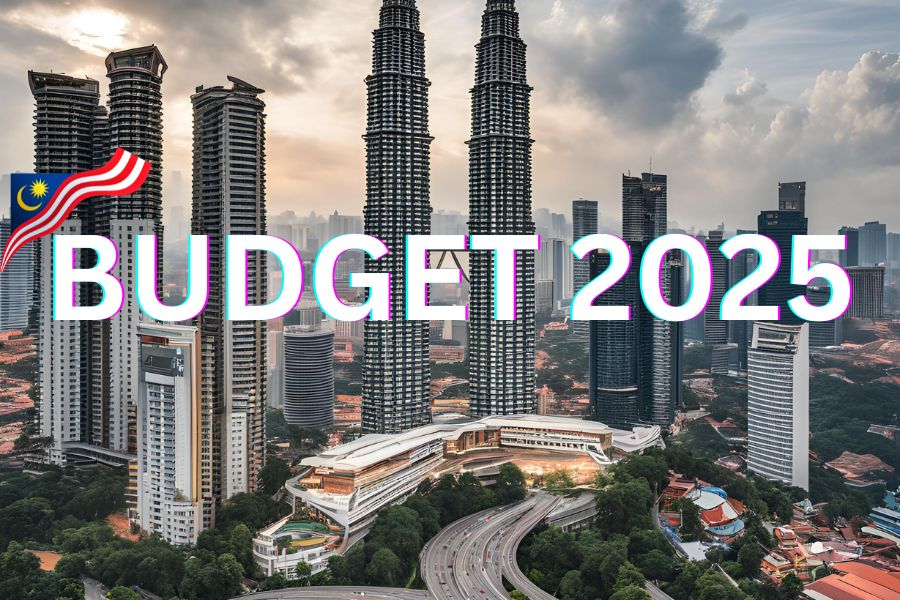
The depot land for the Penang Light Rail Transit (LRT) Mutiara Line, located on Silicon Island, is progressing according to schedule and is expected to be completed and handed over to the project developer and asset owner, Mass Rapid Transit Corporation (MRT Corp), by the end of 2025. This key milestone is part of the ongoing development of the LRT system, which is set to improve public transportation in Penang.
To date, 70 acres of the expansive 2,300-acre Silicon Island have been successfully reclaimed. Of this reclaimed land, six acres have been specifically allocated for the LRT depot, and reclamation work continues to progress smoothly, ensuring that the project will meet its handover deadline. Starting in 2025, the reclamation efforts will significantly ramp up, with an annual goal of reclaiming between 300 to 400 acres, which will further support the island’s development.
Beyond the LRT depot, Silicon Island is being positioned as a central hub for economic growth in Penang, with plans to attract substantial investments, create thousands of jobs, and strengthen the region’s competitive edge on both a national and global scale. The development of Silicon Island is part of a broader strategy to transform Penang into a high-tech and innovation-driven economic powerhouse.
Image Souce: Buletin Mutiara
One of the most significant components of the island’s development is the Green Tech Park, which is being earmarked for industrial development. The first 100 acres of the park are expected to be ready for use by the first quarter of 2026. Shortly after, the construction of manufacturing facilities will begin, with operations expected to start by mid-2027. The Green Tech Park is expected to focus on high-value industries such as semiconductors, medical technology, and industrial automation, further boosting Penang’s role in the global economy.
Silicon Island’s development is not just about infrastructure—it represents a comprehensive vision for sustainable growth. The project combines cutting-edge technology, environmental sustainability, and economic opportunity to create a balanced and forward-thinking approach to urban development. The island’s design integrates green technologies and sustainable practices that align with the state’s commitment to environmental responsibility.
As the project continues to unfold, Silicon Island is set to redefine Penang’s future, turning it into a high-tech, innovation-driven economic hub that will leave a lasting impact on the region and contribute to Malaysia’s growth as a whole. Silicon Island is more than just a development project; it is a transformative initiative that will shape the future of Penang and play a key role in the country’s broader economic and technological advancements.
Mike Tyson, the legendary former heavyweight boxing champion, shocked the world when he continues to maintain his fighting spirit at 58. His return wasn’t just about showcasing his physical prowess; it symbolized the unyielding human spirit and a refusal to let age define capabilities. Tyson’s story offers an invaluable lesson: it’s never too late to keep striving for your dreams, even after traditional retirement age.
For property investors, Tyson’s journey serves as a powerful reminder that success often comes to those who refuse to give up, regardless of age or setbacks.
Age is Just a Number in Life and Property Investment
Many believe that real estate is a young person’s game. However, the truth is that property investment, much like Tyson’s boxing career, rewards perseverance, learning, and action—qualities that grow stronger with age and experience. Whether you’re in your 30s or your 60s, there’s always an opportunity to start or scale your property portfolio.
The Beauty of Late Blooming
Tyson isn’t alone in proving that success can come at any age. Many individuals have achieved extraordinary milestones well past the age society deems “prime.” These stories also align closely with property investment principles.
1. Donald Trump
Donald Trump built a significant part of his wealth through real estate. Even at 70, when he became the oldest first-term President of the United States in 2016, he demonstrated that reinvention is possible at any age. His story reminds property investors that it’s never too late to think big and make bold moves.
2. Colonel Harland Sanders
The founder of Kentucky Fried Chicken (KFC) started his fried chicken empire at 62 after facing multiple failures. Sanders’s persistence mirrors the journey of seasoned investors who’ve faced setbacks but ultimately built lasting wealth by taking calculated risks.
3. Ray Kroc
At 52, Ray Kroc transformed McDonald’s into a global powerhouse. Like in property investment, Kroc’s success required spotting a great opportunity and scaling it—a skill that improves with age and experience.
4. Diana Nyad
At 64, Diana Nyad became the first person to swim from Cuba to Florida without a shark cage. Her determination to push limits reflects the same mindset required in property investment: relentless focus and belief in achieving the impossible.
Why Real Estate Works at Any Age
Compounding Growth: Property investments tend to grow in value over time, making it ideal for those looking to build wealth regardless of when they start.
Leverage Experience: With age comes wisdom—an invaluable asset in understanding market trends and avoiding costly mistakes.
Passive Income: Rental properties offer a consistent income stream, making them perfect for retirement planning or financial independence at any stage of life.
Opportunities for Reinvention: Like Tyson stepping back into the ring, seasoned individuals can pivot into property investment as a second career or passion project.
Lessons from Tyson for Property Investors
Tyson’s return to the ring, like the stories of Trump, Sanders, and others, underscores the importance of persistence and seizing opportunities. Property investment is no different. It requires:
Resilience: Markets fluctuate, but seasoned investors stay the course.
Action: It’s never too late to make that first purchase or expand your portfolio.
Vision: Investing in property, like boxing, requires foresight and planning to achieve long-term success.
Making Your Comeback
Whether you’re approaching retirement or already there, property investment offers one of the most reliable ways to achieve financial freedom. With proper guidance, anyone—regardless of age—can start building a portfolio that generates wealth for years to come.
Just like Tyson’s return to the ring, starting or growing a property portfolio later in life is proof that you can achieve greatness in your “second act.” So, lace up your gloves, do your research, and take the first step—your property investment journey starts now!
Malaysia is an attractive destination for foreign property investors, offering a blend of vibrant cities, scenic landscapes, and a relatively easy property buying process. Whether you’re eyeing a luxury condo in Kuala Lumpur or a beachfront villa in Penang, understanding the essentials is crucial.
Property prices have experienced significant growth, with the property index rising by 136% from Q1 2009 (92.4) to Q2 2024 (218.8), reflecting a clear upward trend in the market. This means that a property valued at RM1,000,000 in 2009 would now be worth RM2,360,000.
Here are 7 key things every foreign buyer should know before purchasing property in Malaysia:
1. Minimum Property Purchase Price
To ensure housing affordability for locals, Malaysia has set minimum property prices for foreign buyers, which vary by state:
RM1,000,000: Terengganu, Pahang, Kuala Lumpur, Putrajaya, Kelantan, Perak, Labuan
RM2,000,000: Selangor (Zones 1 and 2), landed properties in international zones in Johor
RM600,000: High-rise properties in Sabah, Kedah (RM1,000,000 in Langkawi)
RM500,000: Sarawak and Perlis
Penang Island: RM1,800,000 for landed, RM800,000 for strata titles
Penang Mainland: RM750,000 for landed, RM400,000 for strata titles
These thresholds determine the types of properties foreigners can buy in different regions.
2. Stamp Duty Details
Stamp duty is a tax applied to several documents in the property purchase process:
Sale and Purchase Agreement (SPA): A flat fee of RM10.
Instruments of Transfer: As of January 1, 2024, foreigners (except Malaysian permanent residents) will pay a flat 4% stamp duty on transfer documents such as the Memorandum of Transfer (MOT) or Deed of Assignment (DOA), replacing the previous tiered system.
Loan Agreement: A 0.5% stamp duty applies to the loan amount. For example, a RM500,000 loan incurs RM2,500 in stamp duty.
3. Financing Options for Foreigners
Foreigners can secure financing from Malaysian banks, but the terms differ from those for locals:
Down Payment: Typically, foreigners must pay 30% to 40% of the property’s value upfront.
Loan Tenure: Loan terms for foreigners are generally shorter, ranging from 15 to 25 years.
Interest Rates: Interest rates for foreign buyers are usually higher.
Loan approvals are assessed on a case-by-case basis, so it’s advisable to consult a financial advisor who is familiar with the Malaysian property market to explore your best options.
4. Real Property Gains Tax (RPGT)
RPGT is a tax levied on profits from the sale of property:
30% if sold within the first five years of ownership.
10% if sold after five years.
This tax is calculated on the profit after deducting the purchase price and related costs. As there are no exemptions for foreigners, it’s essential to account for RPGT in your investment plans.
5. Legal Representation
Hiring a knowledgeable lawyer is critical when buying property in Malaysia:
Legal Fees: Typically range from 0.5% to 1% of the property’s value.
Due Diligence: Your lawyer will ensure the property is free from legal complications and verify that the seller has the right to sell.
SPA Drafting: The lawyer will draft or review the Sale and Purchase Agreement (SPA) to protect your interests.
A good lawyer helps prevent legal issues and ensures a smooth transaction.
6. Foreign Ownership Restrictions
Malaysia permits foreign ownership but with certain limitations:
Property Types: Foreigners cannot purchase low-cost housing, properties on Malay Reserve land, or certain agricultural land. However, they are permitted to buy luxury condos, high-rise units, and specific landed properties.
Quota Limits: Some developments cap foreign ownership at around 30% to maintain a balance between local and foreign buyers.
Alternatively, you can consider joining Malaysia’s “Malaysia My Second Home” (MM2H) program, a government initiative that allows foreign nationals to live in Malaysia long-term. The program offers several tiers to accommodate different investment levels and lifestyle needs:
MM2H Silver: Ideal for those seeking a five-year residency in Malaysia. This option requires a fixed deposit of USD $150,000 (RM705,000) and a mandatory property purchase of at least RM600,000. It’s a practical choice for retirees or individuals looking for short-to-mid-term residency.
MM2H Gold: For those interested in a longer stay, the MM2H Gold offers a 15-year residency with a fixed deposit requirement of USD $500,000 (RM2.35 million) and a mandatory property purchase of at least RM1 million. This tier is suitable for investors who want more flexibility and a longer-term commitment in Malaysia.
MM2H Platinum: The Platinum tier is designed for high-net-worth individuals seeking a 20-year visa. It requires a substantial fixed deposit of USD $1 million (RM4.7 million) and a minimum property purchase of RM2 million. This option provides the most extended residency and caters to those looking for significant investment opportunities and lifestyle benefits in Malaysia.
The MM2H program not only provides an excellent gateway for foreign nationals to enjoy the lifestyle and economic opportunities Malaysia has to offer but also enables participants to explore property investments and business prospects in a stable and welcoming environment.
7. Property Management for Non-Residents
If you do not plan to live in Malaysia full-time, it’s advisable to hire a property management company:
Rental Management: These companies handle tenant placement, rent collection, and maintenance.
Upkeep: They ensure your property is well-maintained, preserving its value and condition—particularly useful if you own multiple properties or live abroad.
Is Property Investment in Malaysia Worthwhile?
As of 2025, Malaysia continues to offer excellent opportunities for property investment, especially through the Malaysia My Second Home (MM2H) program, which allows foreigners to live in the country on a long-term visa while investing in local real estate. With a growing economy and rising property demand, the Malaysian real estate market is positioned for stable capital growth and rental yields.
Understanding these seven key points will help you make well-informed decisions and maximize your investment in Malaysia’s promising property market
Prime Minister and Finance Minister Datuk Seri Anwar Ibrahim has unveiled the Malaysian Budget 2025, highlighting significant measures to boost housing and development. Key initiatives focus on making homeownership more affordable and improving community living standards.
First-Time Home Buyers Support
The Housing Credit Guarantee Scheme (SJKP) will now provide guarantees on loans up to RM500,000 for first-time home buyers purchasing properties on wakaf land. So far, the scheme has approved RM12.8 billion in loans, benefiting more than 57,000 first-time buyers.
Housing Tax Relief
To encourage homeownership, first-time buyers of homes priced up to RM500,000 can claim tax relief of up to RM7,000. For homes priced between RM500,000 and RM750,000, buyers can claim up to RM5,000 in tax relief. These benefits can be claimed for three consecutive years for sale and purchase agreements signed between January 1, 2025, and December 31, 2027.
Affordable Housing Initiatives
A budget of RM900 million has been allocated for 48 People’s Residency Programs (PRR) and 14 Rumah Mesra Rakyat (RMR) projects, including new PRR developments in Port Dickson and Seberang Perai Tengah. By the end of 2025, 30 PRR projects will be completed, providing homes for nearly 17,500 people.
Additionally, up to RM90,000 in financial aid will be available for building new homes for residents, including those in the hardcore poor housing programme (PPRT), fishermen, and Chinese new villages. The government has also raised the maximum financial assistance for home repairs to RM20,000. UDA Holdings Bhd will receive RM200 million to develop affordable housing on wakaf land, and the Public Sector Home Financing Board (LPPSA) will assist civil servants in buying homes on such land.
Maintenance and Facilities Upgrades
RM200 million has been set aside for maintaining low- and medium-cost public strata housing, with funds going toward replacing old elevators. Another RM100 million will be used to upgrade 48 Madani Public Parks, enhancing recreational areas across the country.
To further improve communities, RM84 million will be allocated to upgrade basic infrastructure and social facilities in Chinese New Villages, while the Housing and Local Government Ministry will focus on meeting the needs of Indian settlements.
These comprehensive initiatives aim to ease the path to homeownership and improve living conditions for Malaysians across various communities.
Penang’s LRT Project Set to Begin with Groundbreaking Ceremony in December: A Game-Changer for the Property Market
Penang’s long-anticipated Light Rail Transit (LRT) project is poised to transform the state’s transport and real estate landscape, with the groundbreaking ceremony scheduled for December. The first station will be constructed at Lebuh Macallum, marking the initial phase of the 29km Mutiara Line.
Transport Minister Anthony Loke has confirmed the project’s commencement, which aims to enhance connectivity between Penang Island and the mainland, reduce traffic congestion, and promote sustainable transport. The Mutiara Line will start at Penang Sentral on the mainland and cross the Penang Channel, with stations along key areas including Komtar, Gelugor, Sungai Dua, and the Penang International Airport, ending at Silicon Island, which will serve as the LRT’s depot.
Impact on Penang’s Property Market
Once completed, this LRT project will not just reshape Penang’s transport system but also revolutionize its property market. Historically, infrastructure improvements like LRT systems have had a profound effect on property values, especially in urbanized areas. This is already evident in cities like Kuala Lumpur and Singapore, where properties along transit lines have seen significant appreciation.
Imagine if you own a property today along the LRT line—how much do you think it will appreciate in the coming years? Properties located near LRT stations are expected to see a considerable rise in demand as they become more attractive to homebuyers, investors, and businesses seeking convenient access to transportation hubs.
Factors Driving Property Appreciation:
Increased Accessibility: The LRT will dramatically improve the convenience of commuting, making areas along the route highly sought after by both residents and businesses. This increased accessibility will naturally boost property values in these locations.
Attracting Investors and Buyers: Real estate near public transportation systems often attracts both local and foreign investors. Buyers are typically willing to pay a premium for properties near LRT stations, given the convenience and potential for future capital appreciation.
Economic Growth and Urban Development: The LRT will likely spur the development of commercial and retail hubs along its route, bringing new job opportunities and services to surrounding areas. These factors will contribute to property appreciation, as areas with new economic activity tend to see a surge in demand for housing and commercial space.
Lifestyle Appeal: Living close to an LRT line will be a selling point for both homeowners and tenants, reducing reliance on cars and making commuting more efficient. This appeal will be especially strong among young professionals and families, who prioritize convenience and connectivity.
How Much Could Property Values Increase?
The appreciation potential could be substantial. Based on other cities with developed transit networks, properties located near LRT stations can experience value increases ranging from 15% to as much as 50% over time, depending on location and proximity to key stops. In some areas, even land prices could surge as developers seek to build new projects capitalizing on improved infrastructure.
For instance, properties around Penang’s commercial and business hubs like Komtar, Gelugor, and the Penang International Airport are likely to see the highest appreciation. As accessibility improves, other areas along the LRT line, such as Sungai Pinang and Bukit Jambul, could also witness significant increases in property values.
Long-Term Outlook for Property Investors
For those who already own property near the planned LRT route, the future looks bright. The project promises to uplift not only property prices but also rental yields, as demand for housing and commercial space near transport links will grow. For prospective buyers, now could be the ideal time to invest before prices start to reflect the full impact of the LRT’s completion.
In summary, Penang’s LRT is not just a transport initiative—it’s a catalyst for real estate growth. As the project progresses, the property market is expected to see a ripple effect, creating opportunities for both current homeowners and future investors. The coming years could see Penang’s property landscape transformed, with areas along the LRT line becoming prime real estate hotspots.
Five New Taxes Could Be Introduced in Malaysia’s Budget 2024 on 18th October: Key Highlights and Concerns
As Budget 2024 approaches, there are talks that the government may introduce five new taxes designed to address various social, environmental, and economic issues. If implemented, these taxes could bring significant changes to consumer behavior, corporate practices, and wealth distribution. Here are the five proposed taxes:
1. Unhealthy Food Tax
In a bid to tackle Malaysia’s rising obesity and health-related problems, the government plans to impose a tax on foods high in fat, sugar, and calories. This includes fast food, snacks, and baked goods—products often linked to unhealthy lifestyles.
According to the 2023 National Health and Morbidity Survey, 54.4% of Malaysians are considered overweight, raising alarms about the long-term burden on the healthcare system. The goal of this tax is to discourage the consumption of unhealthy foods and encourage better dietary choices. Funds collected could potentially be channeled into public health campaigns and nutritional education programs.
2. Carbon Pricing Tax
To align with Malaysia’s long-term environmental goals, including achieving net-zero carbon emissions by 2050, the government may introduce a carbon pricing tax. This tax would target industries and businesses that emit large quantities of greenhouse gases, encouraging them to reduce their carbon footprint.
The tax could be implemented through mechanisms like a carbon tax or an Emission Trading System (ETS). By placing a financial cost on carbon emissions, businesses would have incentives to adopt greener technologies and practices. This would help Malaysia transition toward a more sustainable and environmentally friendly economy.
3. Inheritance Tax
A proposed inheritance tax could be aimed at preventing the accumulation of unproductive wealth within a small segment of the population. This tax would target wealth passed down through generations without significantly contributing to the broader economy.
The objective is to promote wealth equality by taxing large inheritances. The revenue could be used to fund public services or social programs aimed at reducing the wealth gap. However, this tax could be controversial, especially among families who view property and assets as a legacy for future generations.
* Updated 14/10/2024
Anthony Loke States Inheritance Tax Won’t Be Included in Budget 2025. “Government policies only become official if they are presented in parliament, and so far, there has been no discussion regarding inheritance tax.”
4. High-Value Goods Tax (HVGT)
The High-Value Goods Tax is designed to target high-income earners by imposing taxes on luxury goods and services. Items such as high-end vehicles, expensive jewelry, designer products, and other luxury items would be subject to this tax.
The goal is to redistribute wealth by generating revenue from luxury consumption and using it to support social programs or economic development. This could also serve to narrow the wealth gap by ensuring that affluent individuals contribute more to public finances.
5. Artificial Intelligence (AI) Tax
In recognition of the growing role of technology and innovation in economic development, the government may introduce an AI tax. This tax would primarily target companies developing and deploying artificial intelligence technologies, aiming to ensure that the tech industry contributes to the country’s growth.
Revenue from the AI tax could support research and development in high-tech industries, positioning Malaysia as a leader in the global AI market. This tax could create a financial framework for innovation, fostering the next generation of technological advancements.
Property Sector Concerns: The Inheritance Tax
While the above taxes aim to address a wide range of issues, the proposed inheritance tax raises specific concerns, particularly in the property market. Many property buyers and investors see real estate as a legacy—something to pass on to their children and future generations. If an inheritance tax is imposed, beneficiaries would be subject to taxation when they inherit property. This could complicate the process of transferring wealth and assets across generations, especially if the property needs to be sold to pay off the tax.
Is It Fair to Property Buyers?
From a property investor’s point of view, this tax could be perceived as unfair. Many people buy real estate not only as an investment but as a way to secure their family’s financial future. They plan to pass down property to their heirs, building a generational legacy. If this tax is implemented, beneficiaries might face an additional financial burden when inheriting property, potentially reducing the long-term value of real estate investments.
Moreover, some might argue that such a tax could discourage property investment altogether, as the future tax implications would make it less appealing to hold on to real estate for the long term.
Will It Affect Future Generations?
Yes, an inheritance tax would undeniably affect future generations. It could reduce the wealth that families can pass down, especially if property values increase significantly. Heirs may have to sell the property to cover the tax liability, which could diminish the intention of leaving behind a lasting legacy. This could be especially difficult for middle-income families who have worked hard to acquire property as a form of security for their descendants.
A Personal Perspective
This is just my point of view, and I understand that others may not agree. In my opinion, an inheritance tax could have unintended consequences, particularly for those in the property market who want to ensure their investments benefit future generations. While wealth equality is important, there needs to be a balance, so the tax does not disproportionately impact those who have saved or invested in property with long-term goals in mind.
What are your thoughts on this? Do you believe such a tax is necessary, or would it be too burdensome on property buyers and their families?
Check out the latest article on how Budget 2025 impacts the property sector
Managing property tenants effectively is crucial for maintaining the value of your property, ensuring a steady income stream, and minimising stress. Whether you’re a seasoned landlord or new to property management, understanding how to navigate tenant relationships and responsibilities can make a significant difference. What I am going to share here are the things that benefited me as a person whom do just a handful of residential property rental and sublet room rental in Peninsular Malaysia. Hence, there is no right or wrong it’s just my personal experience. Here are 10 key things to consider for effective tenant management:
1. Thorough Screening Process
Before you even consider signing a tenancy agreement, it’s essential to conduct a comprehensive screening of potential tenants. This process should include background checks, credit reports, and verification of employment and rental history. A detailed application form (if high demand) can provide insights into a tenant’s reliability and ability to pay rent on time. By carefully vetting applicants, you can avoid many common issues such as late payments or property damage yet this only happen if your property is under high demand. If you want to skip all the above steps, you may also choose to talk to the prospect existing or ex-landlord for reference. You might wonder, how do I get their landlord contact number? Well, just ask the prospect to call their landlord using their hand phone straight away then verify with the person on the other end whether the prospect is a good tenant. What if the prospect refuse to call? I would rather skip for next prospect. If prospect said this is their first renting then I will have to opt for other way for reference by their company or family member.
2. Clear and Comprehensive Tenancy Agreements
A well-drafted tenancy agreement is fundamental in setting expectations and protecting both parties. Ensure that your tenancy agreement covers all critical aspects such as rent amount, due dates, security deposits, maintenance responsibilities, and rules regarding pets or subletting. It’s important to make the tenancy clear and detailed to avoid misunderstandings. Both you and your tenant should fully understand and agree to the terms before signing. You may choose to engage a lawyer to draft the tenancy agreement for both of you with a professional fee or you may choose to use any tenancy agreement template from online or offline platform by editing the details to cater for your tenancy needs. In Malaysia, if you secure your tenant through a property agent or a real estate negotiator they will probably offer to prepare the tenancy agreement as part of their service with additional charges on top of their agent fee.
3. Regular Property Inspections
Regular inspections help you stay on top of the property’s condition and address maintenance issues before they escalate. Schedule routine visual inspections, ideally every 6-12 months, and document the property’s condition through photos or detailed notes if possible. This not only helps in maintaining the property but also serves as a reminder to tenants to take good care of the space. For me, I prefer to visit my tenant during festive season with a “Thank You” gift or hamper while taking the chance to enter their house and of course excuse myself to enter their bathroom for quick observation. There is a saying “How you do anything is how you do everything.” if the tenant keeps the bathroom tidy clean very likely they take good care of the house and vice versa. Please remember all the visit must inform the tenant upfront as stipulated in the tenancy agreement even if it’s just a “Festive Season Visit”.
4. Responsive Maintenance and Repairs
Timely maintenance and repair responses are crucial for tenant satisfaction. Make it a priority to address repair requests quickly and professionally. Implement a system for tenants to report issues, and ensure you follow up promptly. Maintaining a good rapport with reliable contractors can also streamline the repair process. Effective maintenance not only keeps your property in good shape but also fosters a positive relationship with your tenants. I always tell my tenant to call me if there is any urgent or serious matter happen to the property or inside the property. For small matters like faulty light bulb I will ask them to buy a new bulb and replace it then deduct the amount from next month rental. I do have my regular handyman, plumber and electrician contact just in case I need their service to fix my tenant issue.
5. Clear Communication Channels
Open and clear communication is the cornerstone of successful tenant management. Establish preferred communication channels and ensure that tenants know how to reach you for urgent issues or routine inquiries. Whether you use email, phone calls, or a property management app, being accessible and responsive helps build trust and resolve issues efficiently. I request my tenant to WhatsApp me regarding rental payment or any issue related to their house. I also tell them to call me directly if it’s urgent and serious matter. Similarly, I told my tenant to reply my WhatsApp and answer my call when I contact them especially when they fail to pay rent upon due date. I made it clear that I will visit them at the property if I cannot reach them through phone call.
6. Consistent Rent Collection Procedures
Having a structured rent collection process helps prevent payment issues. Decide on a payment method that works for both you and your tenants, such as online payments or cash deposit through cash deposit machine, try to avoid cash collection as its time wasting and involve risk. Clearly outline the rent due dates, late fees (if any), and the procedure for handling missed payments in the tenancy agreement. Enforcing these policies consistently ensures fairness and avoids confusion. I will send WhatsApp message including my bank account details one week before rental due date to remind my tenant of paying their rent on time. Then I will send another friendly reminder message on the due date morning to remind tenant once again. If tenant fail to make payment by 8pm on the due date, I will call them directly. If they don’t answer my call then I will make another call at 11pm. After 12am midnight if they still haven’t bank in or return my call, then I will give them a 30 mis-calls combo. Normally tenant will reply the next day morning stating their reason for delay and made payment instantly. If tenant requesting for extension of time for them to pay rental then I will grant them no more than one week. I will lodge police report without hesitation if my tenant chooses to ignore my call and drag their rental payment after the one-week extension.
7. Tenant Rights and Responsibilities
Both landlords and tenants have specific rights and responsibilities, which can vary depending on local laws. Familiarize yourself with landlord-tenant laws in your area and ensure that you comply with all legal requirements. It’s equally important to communicate these rights and responsibilities to your tenants. Educated tenants are less likely to make mistakes or violate lease terms unintentionally. I will request my tenant to go through the tenancy agreement before signing and brief the tenant on the rights and responsibilities of both tenant and landlord. On top of that I make sure the tenant understands that tenant rights stipulated in the tenancy agreement only apply when tenant pay rental on time. Please do not argue on tenant’s right with me if they fail to pay rental. I make it clear to them that if they can’t afford to pay rent then the only way to resolve the issue is to return the house and move somewhere else in a peaceful manner.
8. Effective Conflict Resolution
Conflicts are almost inevitable in property management, whether they are related to maintenance issues, noise complaints, or disputes between tenants. Develop strategies for resolving conflicts amicably and professionally. Address problems promptly and listen to both sides before making a decision. Maintaining a fair and balanced approach can help resolve issues without escalating tensions. For conflict between myself as a landlord with my house tenant, I will resolve our conflict follow the tenancy agreement. If for sublet room rental, I told all room tenant to abide to the house rules and resolve any dispute among themselves. If the matter still cannot resolve then I will tell them either one or both of them have to leave so that their disputes does not affect my other tenants.
9. Professional and Friendly Attitude
Your attitude as a landlord can significantly impact the tenant relationship. Strive to be professional yet approachable. Being friendly and respectful creates a positive environment, while maintaining professionalism ensures that you are taken seriously. Building a good rapport with tenants can make managing the property smoother and more enjoyable for both parties. I can be friendly to my tenant as long as they made rental payment on time. If my tenant ignores my call while delaying their rental payment then I will let them see the unfriendly side of me. I will speak firmly to them demanding for my rental payment before it escalate to police report stage.
10. Stay Organized and Document Everything
Organisation is key to effective property management. Keep detailed records of all transactions, communication, and property-related documents. This includes tenancy agreements, maintenance requests, and inspection records if any. Having a well-organized system helps in managing multiple properties and provides a reference in case of disputes. Use property management software or apps to streamline record-keeping and make information easily accessible. Keep your record up to date, remember to renew tenancy upon expiry. It is important to change the utility name (i.e.: TNB and water bills) to your tenant’s name after signing the tenancy agreement to avoid the risk of tenant unsettle huge bills. Otherwise, you will have to monitor the utilities bill every month to ensure tenant settle their utilities bills without fail.
Conclusion
Managing property tenants involves a mix of thorough planning, clear communication, and responsive actions. By focusing on these ten key areas, I believe you can foster a positive and professional relationship with your tenants, maintain the value of your property, and ensure a smooth management process. Whether you’re dealing with applications, repairs, or disputes, a proactive and organised approach can lead to a more successful and less stressful tenant management experience.
We’re excited to share that we’ve just wrapped up Episode 3 of our Property Talk series, featuring the insightful CY Goh. In this episode, CY Goh delved into the crucial topic of achieving financial freedom through strategic planning and disciplined execution.
CY Goh shared a wealth of knowledge, drawing from his personal journey and the strategies that have fueled his success. After years of attending numerous courses and learning from top industry experts, Goh embarked on his property investment journey. Today, he proudly shares the techniques and insights that have helped him attain financial independence.
For those interested in learning more, we invite you to watch the recorded video of this episode. You might find that one of Goh’s strategies resonates with you and fits your financial goals.
However, please remember that the strategies shared by CY Goh are based on his personal experiences and perspectives. They may not be suitable for everyone, and we encourage viewers to exercise their own discretion and consider their unique circumstances before applying any of the advice.
Enjoy the video, and may it inspire your own journey towards financial freedom!
Ever come across the term Debt Service Coverage Ratio (DSCR)? If not, don’t worry—I’m here to simplify it for you. While it might seem complex, DSCR is actually a straightforward concept that plays a crucial role in real estate investing.
What is Debt Service Coverage Ratio (DSCR)?
The Debt Service Coverage Ratio (DSCR) is a key metric that assesses whether a property’s income is sufficient to cover its debt obligations. Think of it as a financial report card for real estate investors, showing if a property is financially sustainable. Let’s break it down for easier understanding:
The DSCR Formula
DSCR = Net Operating Income (NOI) / Total Debt Service (TDS)
Net Operating Income (NOI): The income generated by the property, including rent and other sources, after deducting expenses like maintenance, property management fees, and taxes.
Total Debt Service (TDS): The total annual payments required to service the loan, covering both principal and interest.
How to Interpret DSCR
DSCR > 1: The property generates more income than needed to cover its debt—this is a positive sign!
DSCR < 1: The property’s income is insufficient to cover the debt—this signals potential risk.
A higher DSCR indicates a lower risk of default, making the property more attractive to lenders.
How DSCR Works in Practice
Let’s see DSCR in action with a practical example:
With a DSCR of 1.25, Peter’s property generates more income than needed to cover the debt, indicating financial stability and a comfortable margin for loan payments.
Why DSCR Matters?
The Debt Service Coverage Ratio (DSCR) is a critical indicator in real estate investing, helping you assess whether a property’s income can cover its debt obligations. Whether you’re looking to own rental properties or simply exploring the real estate market, understanding DSCR is essential for your success. By maintaining a healthy DSCR, you can build a solid foundation for your investments and ensure long-term profitability.
From The Desk of Miichael Yeoh
Check out the latest article on how Budget 2025 impacts the property sector
Here is the recorded version of my bi-weekly talk with Mr. WK Ng from last Thursday. We had an in-depth discussion covering everything from buying your first house to property investing. With over 30 years of experience as an investor, Mr. Ng offers valuable insights and a methodical approach that should not be missed.
Join us for our upcoming live webinar (EP 2) on Thursday, 15th August 2024, at 8:30 PM. Our special guest, Dr. Kenneth Yew, will be discussing property financial planning.
What can I say? Malaysians are incredibly innovative. We always find all sorts of ways to make money. Recently, I stumbled upon an intriguing article online about a new scheme: borrowing against your EPF. Yes, you heard me right. If you have money in your EPF and you are between the ages of 48 to 55, you are supposedly eligible to borrow. But is this scheme legal? The answer is a resounding “NO.” There is no such scheme approved by KWSP. This is the creation by syndicates.
I discovered that many people are promoting this scheme. Approval is alarmingly easy; all you need is a copy of your MyKad and your latest EPF statement. As long as there is money in your account, consider your loan approved. Of course, the interest rate is sky-high, but the borrower doesn’t need to repay until EPF withdrawal.
Picture Credit: Focus Malaysia
These types of loans pose a significant risk to the financial security of retirees. With the promise of immediate cash, many are tempted to apply, potentially jeopardizing their retirement. EPF contributors are strongly advised to seek advice before considering such schemes.
Many people are enthusiastic about making money from property investment. After all, who wouldn’t want a reliable safety net for the future? Property can indeed offer financial security, but this is only true if you plan properly and do your due diligence before buying. While it may sound lucrative, without the correct approach, it can quickly turn into a financial disaster.
I recall an incident that starkly highlights this point. After one of my seminars organized by a property developer, a couple in their 30s approached me. They shared a heartbreaking story: they had declared bankruptcy and had a 6-year-old child to care for. Their downfall began when they followed advice from a so-called property expert and started purchasing properties beyond their financial means. The rental income from these properties was either too low or non-existent, and they couldn’t find tenants. To make matters worse, the so-called expert was nowhere to be found, leaving the couple to face the harsh realities alone.
What lesson can we draw from this? The pursuit of wealth through property investment can sometimes turn into a nightmare, even if you believe such misfortune won’t happen to you.
Let’s rewind a bit. Had this couple engaged in proper financial planning, their situation might have been very different. A crucial aspect of financial planning is understanding your monthly income against your expenses. Personally, I wouldn’t consider purchasing a property unless I had at least 12 months of installment payments saved in advance, especially if I had to take a loan from the bank. There is much more to financial planning, but diving into the details would be lengthy. The key takeaway is this: invest within your capacity. Don’t let greed drive your decisions, as it might be too late to turn back once you’re down that road.
The desire to become a successful property millionaire is understandable, but it’s essential to think carefully before making such a bold step.
I hope this article opens your eyes to the realities of property investment.
If you need expert advice on your property investment journey, please email us at info@miichaelyeoh.com.