Tag: propertyinvestment

  • Before You Buy Property, Do This First โ€” Or Youโ€™re Just Guessing

    Before You Buy Property, Do This First โ€” Or Youโ€™re Just Guessing

    Smart Investors Donโ€™t Start With Property โ€” They Start With Demand

    Most people think property investment starts with:

    Location.
    Price.
    Developer.

    It doesnโ€™t.

    It starts with a much more fundamental question:

    Are you buying for own useโ€ฆ or for investment?

    Because if you get this wrong, everything else becomes noise.


    Step 1: Define Your Purpose (No Grey Area)

    Iโ€™ve seen buyers say they are investingโ€ฆ

    But make decisions based on:

    • Design
    • Lifestyle
    • Personal preference

    Thatโ€™s not investing.

    Thatโ€™s emotion.

    If itโ€™s own stay, you follow your lifestyle.

    If itโ€™s investment, you follow demand and numbers.


    Step 2: Know Your Budget (This Sets Your Playing Field)

    Before anything else:

    • What is your true affordability?
    • What is your financing capacity?
    • What is your holding strength?

    Because in property:

    You donโ€™t lose money when you buy wrong.
    You lose money when you canโ€™t hold.

    Especially for investorsโ€”cash flow and holding power are everything.


    Step 3: Real Investors Do One Thing Differently โ€” They RESEARCH

    This is the biggest gap in the market.

    Most buyers rely on:

    • Marketing materials
    • Sales narratives
    • โ€œGood locationโ€ claims

    But experienced investors?

    They study the market before they commit.


    What Do You Actually Research?

    1. Demand & Demographics (The Real Starting Point)

    Forget the building first.

    Ask:

    Who is the end user of this property?

    • Young professionals?
    • Families?
    • Tourists?
    • Businesses?

    If you donโ€™t understand demand,
    youโ€™re not investingโ€”youโ€™re guessing.


    And This Is Where Industrial Property Becomes Interesting

    For big-budget investors, the shift is already happening.

    Demand is no longer driven by lifestyle.

    Itโ€™s driven by business movement and capital flow.

    Look at whatโ€™s happening:

    • Manufacturing relocation into Malaysia
    • Growth in logistics and warehousing
    • E-commerce expansion
    • Supply chain restructuring across ASEAN

    This creates a different type of demand:

    • Larger space requirements
    • Functional layouts over aesthetics
    • Accessibility to ports, highways, and labour
    • Long-term tenancy from businesses (not individuals)

    In other words:

    Industrial demand is economic-driven, not sentiment-driven.

    And thatโ€™s exactly what sophisticated investors are looking for.


    2. Price Per Square Foot (Entry Determines Exit)

    You make money when you buy right.

    Compare:

    • Nearby transactions
    • Competing projects
    • Replacement cost

    If you enter too high, your upside is already limited.


    3. Surrounding Supply (The Silent Risk)

    Most investors ignore this.

    But supply determines:

    • Rental pressure
    • Vacancy risk
    • Exit liquidity

    Too much incoming supply?

    Even a โ€œgood projectโ€ can underperform.


    4. Infrastructure & Connectivity (Follow the Growth)

    No area grows randomly.

    Growth follows:

    • Highways
    • Ports
    • Rail (LRT / MRT / logistics links)
    • Industrial corridors

    If infrastructure is expanding, demand usually follows.


    5. Rental & Yield Reality Check

    At the end of the day:

    Can it generate income?

    • What is the realistic rental?
    • Who is the tenant profile?
    • What is the occupancy expectation?

    If the numbers donโ€™t work on paper,
    donโ€™t rely on hope.


    What Iโ€™ve Learned From the Ground

    After evaluating multiple projects and markets, one thing is clear:

    The winners are not those who buy the most.
    The winners are those who understand demand the best.

    Every property I consider goes through:

    • Demand validation
    • Market comparison
    • Supply analysis
    • Financial assessment

    Because once you commit,
    youโ€™re not just buying propertyโ€ฆ

    Youโ€™re locking in a decision for years.


    Final Thought

    Property investment has evolved.

    Itโ€™s no longer about chasing whatโ€™s popular.

    Itโ€™s about understanding why demand existsโ€”and where itโ€™s going next.

    Those who do the work will always have an edge.

    Those who donโ€™tโ€ฆ

    Will always be reacting.


    Disclaimer: This reflects the authorโ€™s personal views based on market experience and current observations. It is not financial advice. Smart investors do their own research before making any move.

    From the Desk of

    Miichael Yeoh

  • Will the USโ€“Israelโ€“Iran War Affect Property in Malaysia?

    Will the USโ€“Israelโ€“Iran War Affect Property in Malaysia?

    Will the USโ€“Israelโ€“Iran War Affect Property in Malaysia?

    Most people think war is โ€œfar awayโ€.

    Middle Eastโ€ฆ not Malaysiaโ€ฆ not our problem.

    But if youโ€™ve been in property long enough, youโ€™ll realise this:

    What happens globally will always find its way into your loan, your instalment, and your tenantโ€™s wallet.

    Letโ€™s break it down โ€” from a real-world property perspective.


    1. The Impact Will Not Be Direct โ€” But It Will Be Real

    Malaysia is not at war.

    Our property market is not suddenly crashing tomorrow.

    In fact, economists say the direct impact on Malaysia is limited โ€” but the indirect effects are where things get interesting.

    And propertyโ€ฆ is always affected by indirect forces.


    2. The First Domino: Oil Prices

    Right now, oil prices are already spiking above USD100 due to the conflict.

    Why does this matter?

    Because oil affects everything:

    • Construction cost (cement, steel, transport)
    • Developer margins
    • Inflation
    • Interest rates

    When oil goes up โ†’ cost of living goes up โ†’ buyers become more cautious

    And this is where property sentiment starts to shift.


    3. Rising Cost of Living = Slower Property Decisions

    Experts already warn that prolonged conflict will push up:

    • Food prices
    • Fertiliser costs
    • Transportation costs

    We are already seeing supply chain disruptions globally.

    Simple logic:

    When people feel poorerโ€ฆ they delay big decisions.

    And property is the biggest decision of all.

    From my experience:

    • First-time buyers will hesitate
    • Investors will become more selective
    • Loan approvals may tighten

    4. Interest Rates โ€” The Silent Killer

    War โ†’ Inflation โ†’ Central banks stay cautious

    Even if Bank Negara doesnโ€™t immediately raise rates, the global environment matters.

    If inflation remains high:

    • Financing cost stays elevated
    • Instalments stay high
    • Yield becomes more important than ever

    This is where many investors get it wrong.

    They buy based on โ€œprice appreciationโ€.

    But in uncertain times:

    Cash flow becomes king.


    5. Currency & Investor Sentiment

    During global conflict:

    • Money flows to โ€œsafe havensโ€
    • Emerging markets (like Malaysia) can see weaker currency

    This affects:

    • Foreign investment
    • High-end property demand
    • Developer confidence

    It doesnโ€™t crash the marketโ€ฆ

    But it slows momentum.


    6. The Hidden Opportunity (Most People Miss This)

    Hereโ€™s the part many donโ€™t talk about.

    Malaysia is actually in a neutral advantage position:

    • We are politically stable
    • Not directly involved
    • Still attractive compared to more volatile regions

    Historically, during global uncertainty:

    Smart investors donโ€™t exit โ€” they reposition.

    Opportunities may appear in:

    • Undervalued projects
    • Developers needing stronger sales
    • Better packages (rebates, freebies, furnished units)

    Sound familiar?


    7. My Personal Take (From the Ground)

    Iโ€™ve gone through multiple cycles โ€” financial crisis, policy changes, Covid.

    War is just another external shock.

    And property always reacts in the same pattern:

    Phase 1: Fear
    Phase 2: Slowdown
    Phase 3: Adjustment
    Phase 4: Opportunity

    Right now, we are somewhere between Phase 1 and 2.


    Final Thought

    Will this war affect Malaysia property?

    Yes โ€” but not in the way most people think.

    It wonโ€™t crash the market overnight.

    But it will:

    • Change buyer behaviour
    • Shift investor strategy
    • Reward those who understand fundamentals

    And this is where experience matters.


    My Advice

    If you are buying:

    • Donโ€™t panic
    • Donโ€™t rush
    • Focus on cash flow, not speculation

    If you are investing:

    This is the time to be sharper โ€” not quieter.


    Miichael Yeoh
    Property Strategist | Author

    Author of:
    Think Like a Banker, Act Like a Player
    Property Investment BLT
    Buying Property Like a Pro (MPH Bestseller)

  • How AI Is Reshaping the Way We Buy Property

    How AI Is Reshaping the Way We Buy Property

    In todayโ€™s digital world, buying property is no longer just about location, price, and site visits. Artificial Intelligence (AI) is quietly influencing how buyers think, search, and eventually make decisions.

    Whether you realize it or not, AI is already part of your property journey.


    1. How AI Affects Our Buying Decisions

    AI has changed the way we consume information.

    In the past, buyers relied on agents, brochures, and physical visits. Today, what you see online is curated based on your behavior:

    • What you search
    • What you click
    • What you watch

    Over time, AI builds a profile of your preferences and starts feeding you properties that match your interest.

    Many buyers feel like they โ€œfoundโ€ the property themselves.

    But in reality, AI has already filtered the options for you.


    2. Property Marketing vs Other Products โ€” Same Model, Different Weight

    From my experience, property marketing is not very different from other products.

    It follows a similar digital marketing structure.

    But the difference is this:

    ๐Ÿ‘‰ Property is a high-value, long-term commitment

    You are not buying something for RM1. You are committing hundreds of thousands or even millions.

    Because of that, the marketing is designed to:

    • Build trust
    • Educate
    • Reassure
    • Reduce risk

    It is less about pushing a sale, and more about guiding a decision.


    3. The Sales Funnel Is Always There

    Every product follows a sales funnel.

    Some marketers execute it well. Some only do part of it. Some only focus on getting attention.

    In property, you will typically go through stages like:

    • Seeing ads
    • Clicking to learn more
    • Registering interest
    • Communicating with salespeople
    • Visiting or evaluating

    Whether you notice it or not, you are being guided step by step.


    4. โ€œWhy Am I Suddenly Seeing Property Ads Everywhere?โ€

    This is something many people experience.

    You talk to a friend about buying propertyโ€ฆ You search a few listingsโ€ฆ

    Next thing you know, when you open Facebook or Instagram:

    ๐Ÿ‘‰ Property ads start appearing everywhere.

    This is how AI and digital tracking work.

    It picks up signals from your behavior and starts showing you more relevant content.

    It is not magic โ€” it is data.


    5. The Moment You Click, Your Journey Changes

    Once you click on an ad, your journey becomes more intentional.

    You may start seeing:

    • More related ads
    • Follow-up messages
    • Invitations to previews
    • Additional information and content

    This is how modern property marketing works today.


    6. Not All Campaigns Are the Same

    The experience you get depends on the developer or salesperson.

    Some are very basic. Some are more structured and consistent.

    But regardless of how advanced the system is, one thing remains the same:

    ๐Ÿ‘‰ The final decision is still yours.


    7. My Perspective as a Property Buyer

    From my own experience in property, one thing is very clear:

    ๐Ÿ‘‰ We cannot avoid AI.

    It is already part of how information is delivered to us.

    But here is the part many people overlook:

    AI can influence your interest, but it should not replace your judgment.

    At the end of the day:

    • You are not buying a cheap product
    • You are committing significant capital
    • You are making a long-term financial decision

    Because of that, buyers must still:

    โœ” Do proper research โœ” Understand the numbers โœ” Assess their holding power โœ” Evaluate the location and fundamentals

    And most importantly:

    ๐Ÿ‘‰ Listen to people who have real experience in property

    Not everything online tells the full story.


    Final Thoughts

    AI is a powerful tool.

    It can help you discover opportunities faster. It can guide you through options you may not have seen before.

    But it should never replace:

    • Due diligence
    • Critical thinking
    • Experience-based advice

    In property, the difference between a good decision and a bad one is not the advertisement you sawโ€ฆ

    It is the quality of the decision you make after that.

    At the end of the day, AI may influence what you seeโ€ฆ

    But it should never replace how you think.

    Property is not a small purchase.
    Itโ€™s a long-term financial commitment.

    The difference is not in the advertisement you saw โ€”
    Itโ€™s in the decision you make after that.

    Make sure itโ€™s a well-informed one

    From the Desk of

    Miichael Yeoh

    Property Strategist | Author

    Author of:

    Think Like a Banker, Act Like a Player

    Property Investment BLT Buying

    Property Like a Pro (MPH Bestseller)

    P.S. Follow for consistent, experience-based property insights โ€” beyond what marketing tells you.

  • Think Like a Banker Before You Buy Property

    Think Like a Banker Before You Buy Property

    One thing I learned from working closely with banks is this:

    Banks are extremely careful before approving a property loan.

    They analyse risks, stress-test your finances, and study whether you can survive difficult situations.

    But hereโ€™s the irony.

    Many property buyers donโ€™t analyse their purchase the same way.

    They look at the show unit.
    They listen to marketing promises.
    They follow what others are buying.

    But they rarely ask the same questions a banker would ask.

    If you want to invest in property wisely, start by thinking like a banker.

    Here are three things bankers always analyse.


    1๏ธโƒฃ Debt Ratio โ€“ Are You Stretching Yourself Too Thin?

    Banks look closely at your Debt Service Ratio (DSR).

    This measures how much of your income is used to pay debts.

    Even if a bank approves your loan, you should still ask yourself:

    โ€ข What happens if interest rates increase?
    โ€ข What if my income drops temporarily?
    โ€ข Will I still feel comfortable servicing the loan?

    A property might look affordable today.

    But bankers always plan for tomorrowโ€™s risks.


    2๏ธโƒฃ Holding Power โ€“ Can You Hold Through Market Cycles?

    Property markets donโ€™t always go up.

    There will be slow periods.

    Bankers evaluate whether a borrower has the financial strength to continue paying during tough times.

    Smart investors should ask:

    โ€ข Can I hold this property for 5โ€“10 years if needed?
    โ€ข Do I have cash reserves?
    โ€ข What if the market takes longer to recover?

    Many investors fail not because they bought the wrong propertyโ€ฆ

    They fail because they cannot hold it long enough.


    3๏ธโƒฃ Rental Sustainability โ€“ Can the Property Support Itself?

    Another banker mindset is income sustainability.

    Before buying, ask:

    โ€ข Is there real rental demand here?
    โ€ข Who are the potential tenants?
    โ€ข Can the rental help support the loan?

    A strong investment property should ideally generate rental income that supports part of the financing.

    This reduces pressure and improves long-term stability.


    Final Thought

    Successful property investors donโ€™t buy emotionally.

    They evaluate property like a banker evaluating risk.

    Before your next purchase, ask yourself:

    Does this property pass the bankerโ€™s test?

    When you start thinking like a banker, you donโ€™t just buy property.

    You build a stronger and safer property portfolio.


    Miichael Yeoh
    Property Strategist | Developer Consultant | Investment & Mortgage Expert
    Author of Think Like a Banker, Act Like a Player

  • The Property Guru Trap: How to Separate Education from Marketing

    The Property Guru Trap: How to Separate Education from Marketing

    By Miichael Yeoh


    Letโ€™s be honest.

    Today, the property industry is noisier than ever. Everywhere you look โ€” social media, webinars, billboards, YouTube ads โ€” thereโ€™s a new “property guru” promising fast riches, zero-risk investments, and financial freedom in record time.

    The problem? Most Malaysians are not confused because property is complicated. Theyโ€™re confused because they are overloaded with marketing disguised as education.

    And thatโ€™s where many fall into what I call The Property Guru Trap.


    When Marketing Pretends to Be Education

    Hereโ€™s the uncomfortable truth: not all property educators are educators. Many are simply excellent marketers.

    Their formula is simple:

    • Showcase luxury lifestyle
    • Highlight “student success” without context
    • Push urgency: Buy now or miss out forever
    • Sell emotion, not strategy

    Youโ€™re not being taught how to think. Youโ€™re being told what to buy.

    Real education gives you clarity. Marketing creates pressure. One empowers. The other manipulates.


    A Real Story I See Too Often

    Just last year, a couple in their early 30s came to me after attending my property seminar. They had purchased three so-called “hot projects” based on hype incentives.

    On paper, it looked attractive. In reality:

    • Both units were negative cashflow
    • Rental demand was weak
    • Their monthly commitments were choking their lifestyle

    They werenโ€™t irresponsible. They were simply following loud voices instead of clear frameworks.

    And sadly, this is becoming the norm โ€” not the exception.


    The Real Cost of Following the Wrong Advice

    Iโ€™ve met too many people who:

    • Bought units with negative cashflow
    • Overleveraged based on โ€œhot tipsโ€
    • Ended up with properties that canโ€™t be rented
    • Are stuck servicing loans that donโ€™t perform

    Not because they were careless โ€” but because they trusted confidently delivered advice without understanding the fundamentals.

    A true educator helps you analyze. A salesperson helps you justify.

    There is a difference.


    How to Tell If Youโ€™re Learning or Being Sold To

    โœ… Real Education Will:

    • Teach you how to calculate ROI, yield, and risk
    • Help you understand bank approval logic
    • Show both pros AND cons of a deal
    • Focus on your personal financial situation
    • Encourage long-term thinking

    ๐Ÿšฉ Pure Marketing Will:

    • Avoid numbers and focus on hype
    • “Guaranteed rental must make sense”
    • Emphasize lifestyle more than strategy
    • Create fear of missing out
    • Push for immediate commitment

    If the main goal is to close you fast โ€” it’s not education. It’s sales.


    Property Success Is Built on Structure, Not Excitement

    Smart investors donโ€™t rely on tips. They rely on process.

    They understand:

    • Why banks approve or reject loans
    • How debt strategy impacts long-term wealth
    • The difference between speculation and investment
    • That timing alone doesnโ€™t beat fundamentals

    This is why structured learning matters. Not a weekend motivation high โ€” but a system that builds independent decision-makers.


    The Role of a Real Property Educator

    A real educator doesnโ€™t create dependency. They create capability.

    You should walk away able to:

    • Analyse any project yourself
    • Question assumptions
    • Say NO to bad deals
    • Build a property plan based on your life goals, not someone elseโ€™s wins

    Because the ultimate goal is not to follow a guru. It is to become your own strategist.


    My Commitment to Property Education

    For over a decade, my focus has never been about selling you a project. It has always been about equipping you with a framework:

    • A bankerโ€™s mindset to assess risk
    • An investorโ€™s eye to spot opportunity
    • A playerโ€™s strategy to move smartly in the real world

    Property is a powerful wealth tool โ€” but only when approached with clarity, structure, and knowledge.

    Not hype. Not shortcuts. Not empty promises.


    Final Thought

    Before you follow any advice, ask yourself:

    “Am I being educated โ€” or am I being persuaded?”

    The moment you learn to differentiate the two, you stop being a follower… And start becoming a true property investor.


    Property Matching: The Missing Link Most Gurus Ignore

    One of the biggest differences between real education and marketing is this:

    Marketing pushes projects. Education focuses on property matching.

    Property matching means selecting a property based on who YOU are โ€” not what the developer wants to sell.

    It considers:

    • Your income structure
    • Your existing commitments
    • Your risk profile
    • Your investment timeline
    • Your cashflow capability
    • Your long-term objectives

    Instead of asking: “Which project is hot now?”

    The right question is: “Which property fits my current financial position and future strategy?”

    This is exactly why many buyers end up stressed. They buy what is popular โ€” not what is suitable.

    A proper property matching process helps you:

    • Avoid overcommitting
    • Prevent loan rejection issues
    • Choose units with realistic rental demand
    • Align property type with your wealth plan

    There is no such thing as a universally good property. Only a property that is good for the RIGHT person.

    And this step is often skipped in high-pressure sales environments โ€” because matching takes time, analysis, and honesty.

    Thatโ€™s not convenient for fast sales. But it is essential for sustainable investing.


    Ready to Learn Property the Right Way?

    If youโ€™re serious about building wealth through property โ€” not just buying based on emotion โ€” then itโ€™s time to approach it with strategy.

    โœ… Learn how banks really assess your loan โœ… Understand cashflow before committing โœ… Build a property roadmap aligned to your life goals

    Join my upcoming property programme or consultation session and start making decisions with clarity, not pressure.

    Because wealth is not built on motivation. It is built on informed decisions.

  • Hot Topics in Malaysia’s 2025 Property Market: What You Need to Know

    Hot Topics in Malaysia’s 2025 Property Market: What You Need to Know

    The Malaysian property market is buzzing with conversations in 2025 as investors, developers, and buyers respond to new trends, policy shifts, and emerging opportunities. From cooling measures to infrastructure-driven growth corridors, the landscape is evolving rapidly. Rising construction costs, industrial and logistics demand, and the spotlight on data centres are just some of the themes shaping discussions today.

    The following are the current hot topics in Malaysiaโ€™s property market that every buyer and investor should be aware of:

    1. Residential Market Performance & Price Dynamics

    • House Price Growth Moderating
      Malaysiaโ€™s housing price index has been rising, but growth is slowing. For Q4 2024, the national average house price was ~ MYR 483,879, with year-on-year (YoY) growth modest. Global Property Guide
      There were quarter-on-quarter declines in Q4 2024 in many property types (terraced, high-rise, detached, semi-detached) โ€” showing possible short-term corrections or softening. Global Property Guide
    • Regional Price Variations
      • In Penang, average house price remains well above MYR 400,000: about MYR 475,037 in Q4 2024. Global Property Guide
      • Kuala Lumpur is the most expensive, with average ~ MYR 794,467 in Q4 2024. Global Property Guide
      • Other states (e.g. Johor, Selangor) are in between; more affordable housing tends to be further out or in less central locations. Global Property Guide+1
    • Transaction Volume & Supply
      Residential transaction count rose ~4% in 2024 to about 260,516 units; transaction value grew ~5.9 % to ~MYR 106.92 billion. Global Property Guide
      The number of new housing starts rose ~20.6 % in 2024 (for both landed + high-rise) to ~106,236 units; completions rose ~9.7% to ~82,135 units. Global Property Guide
      Also, new planned supply was risingโ€” ~100,461 units in 2024, up ~24.1%. Global Property Guide
    • Overhang / Unsold Stock
      Overhang remains a concern, especially in less premium or lower-value housing. The number of unsold affordable homes has increased. According to Rehda, in 1Q 2025 affordable homes accounted for ~20.7% of unsold residential units. EdgeProp.my
      In Penang, overhang has been showing improvement (decrease in unsold stock) but still persists, especially in certain price bands. Scoop

    2. Developer Sentiment & New Launches

    • Reduced Developer Confidence
      The Rehda survey (1H 2025) shows confidence among developers fell sharply. Only ~19% were optimistic about market prospects mid-2025, down from ~51% six months earlier. EdgeProp.my
      Many developers are being more cautious: ~41% plan new launches in 2H 2025, versus higher rates earlier. Some are not looking to acquire new land because of cost and risk. EdgeProp.my
    • Mismatch of Supply vs Demand (especially โ€œaffordableโ€ units)
      A big issue flagged by developers is that many affordable units are being built in locations or at price levels that are not aligned with what local buyers can afford / prefer. Even though lower-priced units tend to have higher demand, their take-up depends heavily on location, amenities, connectivity. EdgeProp.my+1
    • Prime / High-end / Branded Projects Doing Better
      In KL, new launches in โ€œprimeโ€ segments are seeing 30-50% take-up rates. Buyers of premium / branded residences (or units in strong locations) are more willing to pay for quality, service, amenities. JLL
      Branded residences are more visible in Penang too (e.g. Marriott Residences at Gurney Drive) reflecting demand (or at least supply) for high-end product. Wikipedia

    3. Commercial, Industrial & Office Sectors

    • Office Vacancy / Demand
      Kuala Lumpurโ€™s office market is recovering: vacancy falling, net absorption positive. For example, KL City saw ~231,392 sq ft net absorption in Q2 2025. Vacancy in KL fell from ~23.6% (Q2 2024) to ~19.2% (Q2 2025). JLL
      Grade A office spaces (those with superior amenities, good location) are better placed; tenants are shifting to better quality buildings. JLL+1
    • Industrial / Logistics / Data Centres Growing Strong
      Demand for industrial space is strong โ€” especially in prime logistics, e-commerce, and supply chain related sectors. In KL / Klang Valley, new supply is being absorbed, and vacancy rates are very low for good quality assets. JLL+1
      The data centre pipeline is large: Malaysia has about 638 MW of capacity completed, ~1,300 MW under construction, and an even larger future pipeline. Investment in this space is seen as strategic. JLL

    4. Government Policy, Taxation & Regulation

    • Budget 2025 Measures
      Budget 2025 includes support for infrastructure, sustainable development, and trying to attract investment in high-value sectors. Real estate/spatial planning tied to ESG / green building is emphasized. JLL
      There’s also focus on more efficient use of land, perhaps more mixed-use zoning or strategic zones. JLL
    • Tax / Fees / Local Levies
      In Penang, for instance, there is proposed quit rent increase (2026) โ€” between ~29% to 200% increase for various land categories. For residential urban land, a hike is less steep; commercial / industrial parcels are more affected. Strata properties may face increases later (from 2027). The Vibes
    • Affordable Housing Policy Pressures
      Developers are required to allocate certain proportions of new developments to affordable housing, but this has led to some unintended consequences: in some cases, these units are in less attractive locations or are priced above what locals can realistically afford. This mismatch leads to slower sales/unsold inventory. EdgeProp.my

    5. Regional Focus: Penang (and Selected States)

    • Overhang Glut Gradually Easing in Penang
      Penang had been among the states with large unsold property inventory. In recent years, unsold units in Penang have reduced (e.g. from ~5,493 in 2021 to ~2,796 in 2024). Scoop
      However, there are still mismatches: properties priced between RM 300,000โ€“500,000 and below are struggling more; high-end (>RM1 million) do better. Location, amenities, connectivity remain critical. Scoop
    • Infrastructure & Transport Matters More
      Projects like the Penang Transport Master Plan (including the Mutiara LRT) are expected to impact property values / demand in areas served. Wikipedia
      Also, improvements like Gurney Bay / Gurney Bay waterfront park are enhancing appeal of coastal / beachfront / high-view precincts in George Town. Wikipedia
    • Local Revenue / Cost Pressures
      The quit rent hike in Penang is being discussed: residents are reacting, especially for commercial / industrial land. This adds to holding costs and might shift developersโ€™ cost calculations. The Vibes
    • High-end / Branded Residences Becoming More Common
      Examples in Penang: Marriott Residences Penang is a new branded residential tower at Gurney Drive. Wikipedia
      The Muze @ PICC is also a large mixed residential project in Bayan Baru with tall towers. Wikipedia

    6. Risks, Headwinds & Constraints

    • Cost Inflation, Construction / Input Costs
      Rising costs for materials, labour shortfalls, logistical challenges (supply chain) are squeezing margins. Developers have less flexibility on pricing vs cost. This trend is being widely reported. EdgeProp.my
    • Financing / Interest Rates
      Borrowing costs, stricter lending criteria, risk of loan rejection are issues especially for buyers of affordable homes. Developer access to finance is also more cautious. EdgeProp.my
    • Unsold Affordable Units Risk
      If many affordable units stay unsold, there is risk of overhang, lower returns for developers, possible depreciation in certain segments. Also risk of price stagnation in non-prime locations. EdgeProp.my+1
    • Regulatory Uncertainty / Local Policy Changes
      Increases in quit rent, possible changes in tax / service tax / sales tax, land use zoning, requirements for affordable housing quotas, etc., create uncertainty. Developers and investors are watching local councils, state governments.
    • Macro / External Risks
      Global supply chain disruptions (especially for industrial / data centre / electronics sectors), geopolitical tensions, input cost volatility, and currency / inflation risk. Also, any downturn in global trade could affect Malaysiaโ€™s manufacturing / export sectors (with knock-on effects on property demand, especially for worker housing, industrial real estate).

    7. Opportunities & What to Watch

    • Strategically Located High-Quality / Branded Projects
      Projects with strong amenities, good connectivity (esp. to transit / highways / LRT etc.), high build quality, smart / green features, branded residences โ€” these are likely to command premium pricing and maintain demand.
    • Industrial, Logistics & Data Centres
      Given the global trends (e-commerce, supply chain reshoring, semiconductor investment), Malaysia (especially Penang, Johor, Klang Valley) is seeing growing investor interest in industrial / logistics parks, warehouses, data centre space. These are viewed as relatively defensive assets.
    • Mixed-Use Development & Transit-Oriented Development (TOD)
      Areas around transport infrastructure (LRT, MRT, light rail, major highway nodes) are likely to benefit. Mixed-use developments (residential + retail + office or amenity) that offer a lifestyle component will be attractive.
    • Green / ESG / Sustainability Features
      Buyers / tenants increasingly consider energy efficiency, green certifications, smart home features, environmental impact. Developers incorporating these will have competitive advantage.
    • Government Incentives & Zone Designations
      Investment zones, special economic zones, incentives in Budget 2025, tax breaks (where available), and government infrastructure spending (transport, utilities) are going to influence property hot spots.
    • Price Correction / Buyer Power
      For savvy buyers, there might be opportunities: slower demand in non-prime sectors, more incentive packages by developers, better negotiations (price, furnishing, perks) especially in properties that are not moving quickly.

    Conclusion

    Malaysiaโ€™s property market in 2025 is at a turning point, balancing between growth opportunities and structural challenges. While affordability and regulatory changes continue to test both developers and buyers, new catalysts such as data centres, logistics demand, and large-scale infrastructure projects are reshaping the landscape.

    For investors, the key lies in identifying which segments offer long-term resilience and value. For homeowners, understanding how policies, costs, and location trends play out will make all the difference. Ultimately, the hot topics of today are shaping the strategies, risks, and rewards of tomorrowโ€™s property market.

    From the Desk of

    Miichael Yeoh

  • Revisiting Malaysiaโ€™s Home Ownership Campaign: Mid-2025 Update

    Revisiting Malaysiaโ€™s Home Ownership Campaign: Mid-2025 Update

    As we come toward the mid of 2025, itโ€™s timely to take a fresh look at the national Home Ownership Campaign (HOC) and related government initiatives aimed at making property ownership more accessibleโ€”especially for first-time buyers and middle-income earners.

    Launched originally as a short-term measure, the Home Ownership Campaign 2.0 has been extended until December 31, 2025, in recognition of ongoing housing affordability challenges faced by Malaysians. Alongside this, the Budget 2025 unveiled a series of new incentives designed to further ease the journey to homeownership.


    ๐Ÿ’ก Whatโ€™s New in Mid-2025?

    1. Stamp Duty Exemption for First-Time Buyers

    One of the most attractive features of the HOC 2.0 is the 100% stamp duty exemption on properties priced at RM500,000 and below, specifically for first-time homeowners. This incentive significantly reduces the upfront cost of purchasing a home and encourages more young Malaysians to step into the property market.

    2. Housing Credit Guarantee Scheme (SJKP)

    To support those without fixed income documentationโ€”such as gig workers, freelancers, or small business ownersโ€”the government continues to offer loan guarantees through SJKP. This allows banks to approve housing loans of up to RM500,000 even for applicants with non-traditional income streams.

    3. Step-Up Financing Scheme

    Also introduced under Budget 2025 is a new Step-Up Financing Scheme, which eases the repayment burden in the early years of a home loan. With government backing of RM5 billion, this scheme helps first-time buyers manage their finances while adjusting to homeownership.


    ๐Ÿงพ Tax Relief for First-Time Buyers

    From January 1, 2025, to December 31, 2027, buyers who sign a Sale and Purchase Agreement (SPA) can claim the following tax reliefs:

    • ๐Ÿ  Up to RM7,000/year for properties priced RM500,000 and below
    • ๐Ÿ  Up to RM5,000/year for properties priced between RM500,001 and RM750,000

    These tax incentives are designed to provide further savings for eligible homeowners over a 3-year period.


    ๐Ÿ—๏ธ Affordable Housing Developments

    Budget 2025 also channels RM900 million toward affordable housing projects under the People’s Residency Program (PRR) and Rumah Mesra Rakyat (RMR). These programs aim to bridge the housing gap, particularly for B40 and M40 income groups, with strategic developments nationwide.

    In addition, special financial aidโ€”up to RM90,000โ€”is available for those building homes under schemes such as PPRT, including communities in Chinese new villages and fishing settlements.


    ๐Ÿ”„ Rent-to-Own Scheme

    For those not ready to buy immediately, the Rent-to-Own (RTO) scheme allows applicants to rent a property for five years with the option to purchase it later. This offers a transitional pathway to homeownership while giving individuals time to strengthen their financial footing.


    โœ… Whoโ€™s Eligible?

    To enjoy the full benefits of these initiatives, applicants must typically meet the following conditions:

    • Must be Malaysian citizens aged 18 and above
    • Must be first-time homebuyers
    • Must purchase residential property priced within program thresholds
    • Some schemes may include income eligibility limits

    ๐Ÿ“Š Summary of Home Ownership Incentives (2025)

    IncentiveDetailsEligibility
    Stamp Duty Exemption100% exemption for properties โ‰ค RM500,000First-time buyers only
    Tax ReliefRM7,000/year (โ‰ค RM500,000); RM5,000/year (RM500kโ€“RM750k) for 3 yearsSPA signed between 2025โ€“2027
    Housing Credit Guarantee (SJKP)Loan guarantee for properties โ‰ค RM500,000Buyers with irregular income
    Step-Up Financing SchemeReduced repayments for first 5 yearsFirst-time buyers
    Affordable Housing (PRR/RMR)RM900M allocated for low-income housing projectsB40 & M40 income groups
    Rent-to-Own (RTO) Scheme5-year rental with option to buyMiddle-income buyers

    ๐Ÿ“ˆ Potential Savings for a First-Time Homebuyer (Example Scenario)

    ComponentProperty Price: RM480,000Savings
    Stamp Duty (100% Exemption)Normally ~RM9,600RM9,600
    Tax Relief (RM7k/year x3)For 3 yearsRM21,000
    Lower Initial Loan Repaymentvia Step-Up Financing~RM15,000 over 5 years (est.)
    Total Potential Savings~RM45,600

    Note: Values are estimates and may vary by loan package and location.

    ๐Ÿก Final Thoughts

    Midway through 2025, Malaysiaโ€™s homeownership landscape remains favorable for aspiring buyers, thanks to proactive government support and long-term housing policies. Whether you’re looking to buy your first home, secure financing with flexible terms, or benefit from tax relief, now is an excellent time to take action.

    If you’re considering a property purchase this year, consult with certified property consultants or financial planners to understand how these incentives apply to your personal situation. With the right guidance, 2025 could be the year you unlock the door to your own home.

    From the Desk of

    Miichael Yeoh

  • Malaysia Property Market Sees 8.9% Decline in 1Q2025

    Malaysia Property Market Sees 8.9% Decline in 1Q2025

    Malaysiaโ€™s property market experienced a decline in transaction value in the first quarter of 2025 (1Q2025), with a drop of 8.9% to RM51.42 billion, compared to RM56.47 billion in the same period last year, according to the latest report from the National Property Information Centre (Napic).

    Transaction volume also decreased by 6.2% year-on-year, recording 97,772 transactions in 1Q2025, down from 104,194 transactions in 1Q2024, Napic stated in its Friday report.

    Despite the downturn, Valuation and Property Services Department director general Abdul Razak Yusak noted that the property market is expected to remain resilient, buoyed by growth in the construction sector and a rise in newly launched residential units.

    “Industry players and property developers should stay vigilant given the current market dynamics, global economic uncertainties, and evolving external factors,” he said.

    Residential Overhang and New Launches

    Napic reported a significant increase in new residential launches, with 12,498 units introduced in 1Q2025, more than double the 5,585 units launched in 1Q2024. However, the sales performance remained moderate, with a sales rate of 10.8%.

    The residential overhang rose slightly by 1.6% to 23,515 units valued at RM15 billion, a 7.7% increase in value compared to the same quarter last year. Nevertheless, on a quarterly basis, the overhang showed improvement, with volume and value declining by 2.9% and 9.0%, respectively.

    The serviced apartment sector recorded a 6.7% year-on-year reduction in overhang volume, totaling 18,246 units, while the value declined by 6.9% to RM14.61 billion. Abdul Razak noted that Johor Bahruโ€™s serviced apartment market showed signs of recovery, with overhang units reducing by 5.6% in 1Q2025 compared to 4Q2024.

    Shopping complexes also saw a slight improvement in occupancy rates, rising to 79.0% from 78.8% in the previous quarter.

    Meanwhile, the Malaysian House Price Index (MHPI) for 1Q2025 stood at 225.3 points, with the average house price recorded at RM486,070, reflecting a modest annual growth rate of 0.9%.

    Impact on Property Market

    The decline in transaction value and volume in 1Q2025 may signal a period of caution for property investors. With a higher number of unsold units, developers might consider offering more incentives or adjusting pricing strategies to attract buyers. On the other hand, the rise in new launches indicates continued confidence in the marketโ€™s long-term potential. Investors are advised to monitor upcoming economic policies and market trends closely, as these factors could significantly influence buyer sentiment and market dynamics in the coming quarters.

    from the desk of

    Miichael Yeoh

    Latest Articles

    What If Buying Property Started With Questions, Not Projects?

    The property buying process should prioritize understanding individual needs over project features. The Property Discovery Systemโ„ข emphasizes asking meaningful questions to help buyers make informed decisions, fostering better communication between buyers and developers for mutual benefit.

    Am I buying the right property?

    The content discusses factors influencing rental income from Penang properties, emphasizing the importance of understanding market data, location, and demand. It also announces a discussion event for investors.

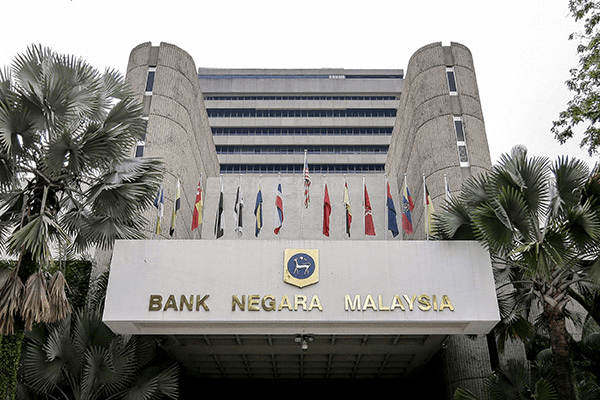
  • Bank Negara Reduces SRR from 2% to 1%: What Does It Mean and How Will It Affect Us?

    Bank Negara Reduces SRR from 2% to 1%: What Does It Mean and How Will It Affect Us?

    Bank Negara Malaysia (BNM) has recently announced a reduction in the Statutory Reserve Requirement (SRR) ratio from 2% to 1%. This move is part of a broader strategy to ensure sufficient liquidity in the financial system, supporting economic growth amidst current economic challenges. But what exactly does this mean, and how will it impact individuals and businesses? Letโ€™s break it down.

    Understanding SRR

    The Statutory Reserve Requirement (SRR) is the percentage of a bankโ€™s total deposits that must be kept as reserves with Bank Negara Malaysia. Essentially, it is a tool used by the central bank to control the money supply in the economy. When the SRR is lowered, banks are required to hold less money in reserve, thereby freeing up more funds that can be lent out to businesses and individuals.

    Why Did BNM Reduce the SRR?

    The reduction in the SRR by 1% is expected to release approximately RM19 billion into the banking system, effective from 17 May 2025. This significant injection of liquidity aims to provide banks with more funds for lending and to stimulate economic activities during this period of economic uncertainty.

    The reduction in the SRR from 2% to 1% is aimed at increasing liquidity in the banking system. By allowing banks to keep less money in reserve, more funds become available for lending purposes. This is particularly crucial during periods of economic uncertainty when businesses and individuals may require more financial support. It also helps to reduce the cost of funds for banks, potentially leading to lower interest rates.

    How Does This Impact Us?

    1. More Accessible Loans: With more liquidity in the banking system, banks are more likely to offer loans to businesses and individuals. This can facilitate personal loans, home loans, and business financing, making it easier for borrowers to access funds.
    2. Lower Interest Rates: When banks have more funds to lend, competition among banks may increase, potentially leading to a reduction in lending rates. This is beneficial for borrowers seeking to refinance existing loans or take new loans.
    3. Impact on Savings and Fixed Deposits: On the flip side, while borrowers may benefit from lower interest rates, depositors may see a decrease in interest rates on their savings accounts and fixed deposits as banks adjust their rates to manage the increased liquidity.
    4. Business Expansion and Investment: With more funds available for lending, businesses may find it easier to obtain financing for expansion, investments, or operational costs. This can stimulate economic activity and potentially lead to job creation.

    Potential Risks and Considerations

    While the reduction in SRR can stimulate lending and economic growth, it is essential to consider potential risks. Increased lending could lead to higher household debt if borrowers overextend themselves. Additionally, excessive liquidity could contribute to asset bubbles if funds are channeled into speculative investments.

    Conclusion

    The reduction in SRR from 2% to 1% by Bank Negara Malaysia is a strategic move to increase liquidity and stimulate economic activity. While this creates more lending opportunities and potentially lower interest rates, it is crucial for borrowers to exercise caution and assess their financial capacity before taking on additional debt. Similarly, depositors should monitor interest rate trends to make informed decisions regarding their savings and investments.

    From The Desk of

    Miichael Yeoh

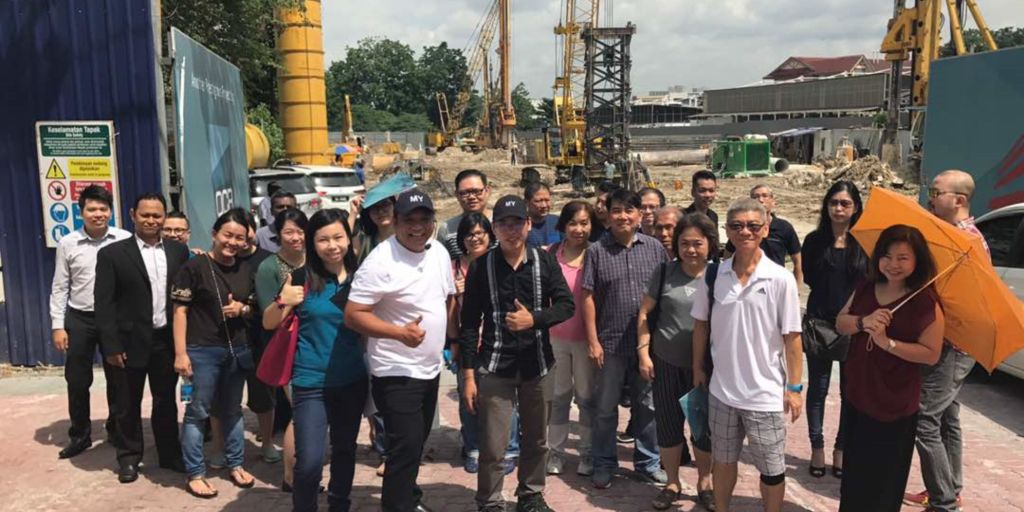
  • Unlock Real Estate Success with Property Study Tours

    Unlock Real Estate Success with Property Study Tours

    As a property investment coach and mentor, Iโ€™ve seen firsthand how powerful a property study trip can be for investors at all levels. Whether you’re a seasoned investor or just starting out, nothing beats the experience of visiting properties in person, analyzing market trends, and networking with experts. Thatโ€™s why I organize property study tripsโ€”to give you a competitive edge in the real estate market. Hereโ€™s why you should join me on this journey.

    1. Firsthand Property Inspection

    Browsing online listings and reading brochures only tell part of the story. When you join my property study tour, youโ€™ll get to walk through the properties, examine the surroundings, and see if they align with your investment goals. Iโ€™ll guide you in assessing crucial aspects like location, infrastructure, and future development plans so you can make a well-informed decision. Plus, Iโ€™ll share my insights on what to look for in a profitable property, helping you avoid costly mistakes.

    2. Understand Market Trends and Insights

    Every property market operates differently, and the key to successful investing is understanding these nuances. On my study tours, I provide in-depth briefings on market trends, pricing structures, and upcoming investment hotspots. Youโ€™ll also hear from local experts who can offer data-driven insights into property price movements and rental yields. Iโ€™ve spent years studying the market, and Iโ€™ll help you cut through the noise to identify real opportunities.

    3. Network with Like-Minded Investors

    One of the biggest advantages of joining my study trips is the opportunity to meet and network with like-minded investors. Many of my past participants have formed business partnerships, co-invested in properties, or simply found a supportive community to grow with. Learning from the experiences of others can be incredibly valuable, and I make sure to create an environment where everyone can share and learn together.

    4. Exclusive Access to Off-Market Deals

    Through my network and relationships with developers, I often get access to exclusive deals that arenโ€™t available to the general public. This means youโ€™ll have the chance to secure high-potential properties before they hit the open market. Developers also offer special discounts, incentives, and flexible payment plans to my study trip attendeesโ€”something you wouldnโ€™t get if you were searching on your own.

    5. Expert Guidance and Analysis

    Investing in property isnโ€™t just about buying a house or unitโ€”itโ€™s about making the right investment decisions. I provide expert guidance throughout the trip, helping you analyze risks, assess potential returns, and navigate financing options. Youโ€™ll also gain insights into legal requirements, taxation, and property management. With my years of experience in property investment and financial consulting, Iโ€™ll make sure youโ€™re equipped with the knowledge you need to succeed.

    6. Experience the Local Lifestyle and Environment

    A great investment isnโ€™t just about the property itselfโ€”itโ€™s also about the surrounding lifestyle, infrastructure, and amenities. By visiting the location in person, youโ€™ll get a feel for the area, check out nearby facilities, and determine whether it aligns with your personal or investment objectives. Iโ€™ll also share my insights on which neighborhoods have the most growth potential and what to watch out for when assessing an areaโ€™s long-term viability.

    7. Gain Confidence in Your Investment Decisions

    One of the biggest challenges new investors face is hesitation and uncertainty. I believe that seeing is believing, and by joining my study trip, youโ€™ll gain the confidence to make informed investment decisions. Iโ€™ll help you weigh the pros and cons of different properties so you can make a calculated decision rather than relying on guesswork.

    8. Exposure to Different Property Investment Strategies

    Not all property investments are the same. During the tour, Iโ€™ll introduce you to different strategies such as buying for rental yield, flipping properties, or capital appreciation. Youโ€™ll also learn about new trends like co-living spaces and serviced apartments that can diversify your portfolio. By understanding these strategies, youโ€™ll be able to choose an approach that aligns with your financial goals.

    9. Learn from Real-Life Case Studies

    I always include real-life case studies in my study trips, sharing stories of successful property investors who have built wealth through smart real estate decisions. These case studies provide valuable lessons, helping you understand what works and what doesnโ€™t in property investment. Youโ€™ll hear from actual investors who share their journeys, challenges, and strategies.

    10. Potential for Immediate Action

    Unlike attending a seminar or watching an online course, a property study tour allows you to take action immediately. If you find a property that meets your criteria, you can reserve it on the spotโ€”often with exclusive perks and discounts. Many of my past participants have successfully secured properties during the trip, giving them a head start in their investment journey.

    Conclusion

    Iโ€™ve designed my property study tours to be an immersive, hands-on learning experience that equips you with the knowledge, connections, and confidence to invest successfully. Whether youโ€™re looking for your first property or expanding your portfolio, this tour will give you a significant advantage. Donโ€™t miss out on this opportunityโ€”join me on the next study trip and take your property investment journey to the next level!

    Most importantly, my property study tours are not just about learning and investingโ€”theyโ€™re also about having fun! Youโ€™ll get to travel, explore new locations, and enjoy meaningful conversations with fellow property enthusiasts. Itโ€™s a great way to bond with like-minded individuals, share experiences, and build lasting relationships in a relaxed and enjoyable setting. See you on the next trip!

  • Discover The Keys to Successful Property Investment (Live Webinar)

    Discover The Keys to Successful Property Investment (Live Webinar)

    Are these familiar struggles for you?

    ๐Ÿ  Feeling lost in the world of property investment?

    ๐Ÿ’ฐ Watching your investments drain your finances?

    ๐Ÿ˜ฑ Scared off by terrifying investment horror stories?

    ๐Ÿ’ธ Struggling to secure funds for investment?

    ๐Ÿฆ Facing obstacles getting a loan from the bank?

    ๐Ÿ” Bought a property but can’t find a tenant?

    You’re not alone. But here’s what awaits you on the other side:

    • Witnessing others prosper through property investment while you sit on the sidelines.
    • Regretting missed opportunities for passive income generation.
    • Reflecting on how better financial planning could have changed your life.

    What’s in store for you at my seminar?

    ๐Ÿ” Insights to equip yourself for successful property investment.

    โš ๏ธ Awareness of common pitfalls to avoid in the property market.

    ๐Ÿก Understanding the crucial components of property investment.

    ๐Ÿ“Š Appreciation for the importance of property data analysis.

    ๐Ÿ” Guidance on conducting thorough due diligence before buying.

    ๐Ÿ’ผ Experience the transformative power of effective financial planning.

    Audiences and events I’ve spoken and organized for property buyers/investors, developers, conventions, and property study trips.

    Don’t let uncertainty or fear hold you back! Join me and unlock the doors to a brighter financial future!

    Register your FREE SEATS Now as seats are limited…..

    See you soon,

    Miichael Yeoh