Tag: Weekly Property Roundup

  • WEEKLY PROPERTY ROUNDUP

    WEEKLY PROPERTY ROUNDUP

    17–23 October 2026

    🇲🇾 MALAYSIA PROPERTY MARKET

    STORY 1 — Sime Darby Property’s RM418.5 Million Kulai Land Deal: What Comes Next?

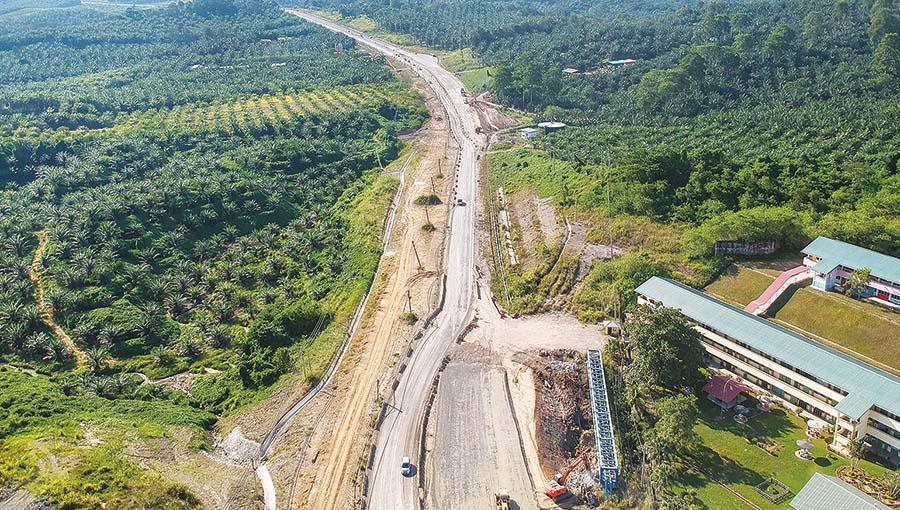
    Illustrative image of agricultural land in Kulai, Johor; not the exact acquisition parcel.

    What Happened?

    On 20 October, EdgeProp reported further details about the proposed land acquisition by Sime Darby Property Berhad, which is seeking shareholder approval for its purchase of approximately 556.96 acres of freehold land from SD Guthrie Berhad.

    The proposed transaction involves:

    • Purchase price: RM418.5 million.
    • Land area: Approximately 556.96 acres.
    • Estimated gross development value (GDV): RM3 billion.
    • Location: Kulai, within the Johor–Singapore Special Economic Zone growth corridor.
    • Planned development: A residential and commercial township.
    • First phase: Targeted for launch in 2028.
    • Development horizon: Approximately 10–15 years.

    The purchase price is approximately 4.23% below the RM437 million market valuation cited in the acquisition circular. Sime Darby Property’s extraordinary general meeting is scheduled for 3 November 2026 to seek approval from non-interested shareholders. The acquisition remains subject to the required approvals and other conditions. EdgeProp

    Sources: EdgeProp — Kulai land acquisition and shareholder approval; Sime Darby Property’s official announcement.

    Why It Matters

    This is a long-term landbank strategy, not an immediate housing launch.

    A developer acquiring a large parcel of land must consider more than the purchase price. Infrastructure, planning approvals, construction costs, future household demand and the pace of development all influence whether the investment ultimately creates value.

    The Johor–Singapore Special Economic Zone provides a potential economic growth context, but its existence does not guarantee that every development within the corridor will succeed.

    The estimated RM3 billion GDV is also not the same as profit. Development costs, financing, infrastructure obligations and the timing of sales still matter.

    Miichael’s Review

    I find this development interesting because it highlights the difference between buying land with potential and creating a successful township.

    A large landbank gives a developer flexibility to phase development according to market conditions. It can avoid bringing too many homes to market at once and adjust the product mix as the surrounding area develops.

    However, the ultimate question is whether the future township will meet genuine housing and commercial demand.

    I would examine:

    1. The employment and population growth expected in the surrounding area.
    2. Existing competing residential supply.
    3. Planned transport and infrastructure improvements.
    4. The affordability of the proposed homes.
    5. The developer’s ability to phase construction responsibly.

    My view: Land acquisition is the beginning of a property strategy, not proof of a successful investment. The real test will be how well the developer translates location potential into a sustainable community.


    STORY 2 — CapitaLand Malaysia Trust’s Distributable Income Rises 32.2%
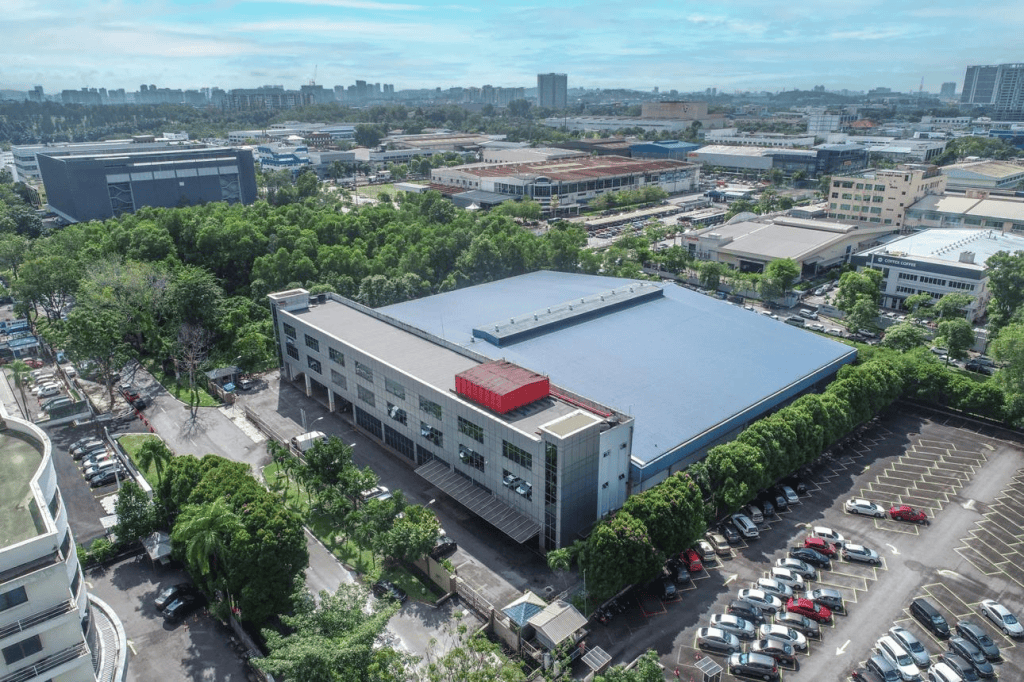
    llustrative image of a logistics property relevant to Malaysia’s industrial and logistics real estate sector.

    What Happened?

    CapitaLand Malaysia Trust (CLMT) reported stronger third-quarter 2026 results, with distributable income increasing 32.2% year-on-year.

    For the quarter ended 30 September 2026, the trust reported:

    Financial measureQ3 2026Year-on-year change
    Distributable incomeRM46.3 million+32.2%
    Distribution per unit1.35 sen+21.6%
    RevenueRM126.5 million+9.1%
    Net property incomeRM79.4 million+14.9%
    Net profitRM47 million+35.5%

    CLMT attributed the stronger performance to contributions from industrial and logistics properties acquired in 2025, positive rental reversions, scheduled rent increases and lower financing costs.

    As at 30 September, overall portfolio occupancy stood at 94.3%, while committed retail occupancy was 93.1%. The trust’s gearing ratio was 38.3%. EdgeProp

    Sources: EdgeProp — CLMT’s third-quarter results, 22 October 2026; CLMT official website.

    Why It Matters

    This is a useful example of how a property investment trust can grow its income through a combination of acquisitions, rental performance and financing management.

    The result also demonstrates why investors should look beyond headline revenue.

    A REIT’s ability to generate distributable income depends on the performance of its properties, occupancy, operating expenses, financing costs and the capital required to maintain and expand its portfolio.

    However, one strong quarter does not establish that future distributions will grow at the same rate.

    Miichael’s Review

    For me, the important point is the relationship between property assets and the income they can sustainably generate.

    When evaluating a REIT, I would ask:

    • Are its properties attracting tenants?
    • Can rental income be maintained or improved?
    • Are acquisitions adding value after financing costs?
    • Is its debt manageable?
    • Are distributions supported by recurring property income?

    Industrial and logistics assets can also diversify a portfolio beyond conventional retail properties.

    But the quality of the underlying assets and the price paid for them remain important.

    My view: Property investment should be evaluated through both asset quality and income sustainability. A large property portfolio is valuable only when its assets can generate attractive returns relative to their costs and risks.


    STORY 3 — IHH Plans an 18-Acre Healthcare Campus in Medini, Johor

    What Happened?

    On 20 October, EdgeProp reported that IHH Healthcare Berhad was acquiring Afiniti Wellness in Iskandar Puteri, with plans to convert the property into an ambulatory care centre.

    The proposed facility will form part of an integrated healthcare campus spanning approximately 18 acres, bringing together the existing Gleneagles Hospital Johor, Afiniti Wellness and IHH’s existing landbank in Medini.

    The new centre is intended to provide consultations, diagnostic services, day surgery and other outpatient treatments.

    Retrofitting work was expected to begin shortly, with operations targeted for the second or third quarter of 2028. The purchase price for Afiniti Wellness was not disclosed. EdgeProp

    Sources: EdgeProp — IHH’s planned Medini healthcare campus, 20 October 2026; IHH Healthcare Malaysia’s official website.

    Why It Matters

    This development highlights the role that specialised facilities can play in shaping a property’s long-term use and value.

    Instead of constructing an entirely new building, IHH plans to adapt an existing property to support a wider healthcare ecosystem.

    The project also reflects how demand for healthcare services can influence commercial property use, particularly in locations where population, business activity and access to specialist services are expected to grow.

    However, the anticipated benefits will depend on actual demand, operating performance and the successful integration of the facilities.

    Miichael’s Review

    I see this as an example of property value being created through the right use, rather than simply through new construction.

    An existing building may become more useful when it is repositioned to meet a specific market need.

    For property developers and investors, the questions are:

    1. Is there sufficient demand for the intended use?
    2. Can the existing building be adapted efficiently?
    3. Will the location support the required customer or patient catchment?
    4. Does the new use create a sustainable operating model?
    5. Can the investment deliver long-term value without excessive capital expenditure?

    This is particularly relevant to commercial property owners considering how to reposition underutilised assets.

    My view: The strongest property strategies begin with understanding demand. Sometimes the opportunity is not to build more, but to make better use of what already exists.


    🌏 INTERNATIONAL PROPERTY WATCH

    🇯🇵 STORY 4 — Japan’s New Condo Market: Fewer Launches, but Prices Keep Rising
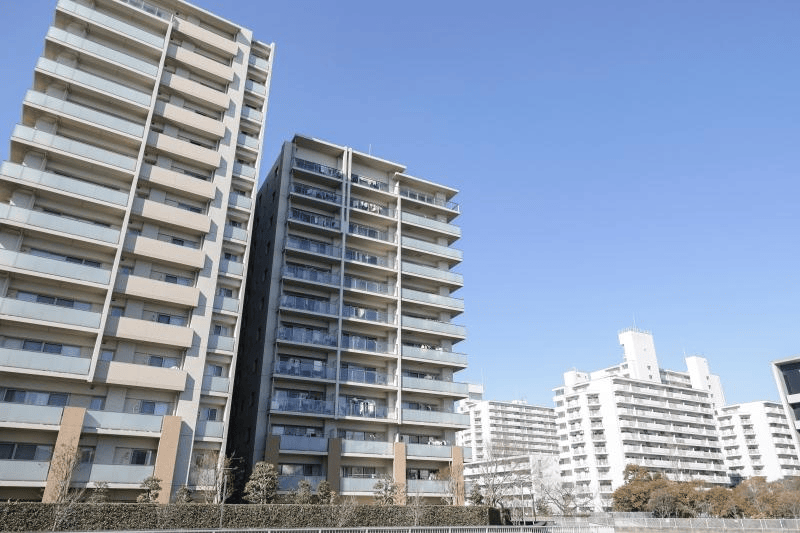
    Illustrative image of residential condominiums in Japan.

    What Happened?

    A market report published on 22 October by Japan Property Insight, based on data from the Real Estate Economic Institute, highlighted a striking contrast in the Kinki region, which includes the areas around Osaka, Kyoto and Kobe.

    For September 2026:

    • New condominium launches fell 49.6% year-on-year to 752 units.
    • The average unit price rose 37.6% to ¥70.75 million.
    • The average price per square metre increased 19.7% to ¥1.15 million.
    • The first-month contract rate was 62.6%.
    • Unsold inventory stood at 3,007 units.

    For the first half of Japan’s fiscal 2026, new launches in the region fell 8.6% to 6,557 units, while the average price rose 8.4% to ¥60.1 million. The first-month contract rate fell below 70% for the first time in four years. Japan Property Insight

    Source: Japan Property Insight — September 2026 condominium market report, published 22 October.

    Why It Matters

    The figures illustrate a situation where fewer new properties are being offered to buyers even as average prices rise.

    But an important distinction is necessary: the increase in average prices does not mean every existing property became 37.6% more valuable.

    When fewer units are launched, the mix of properties entering the market can change significantly. A smaller number of expensive projects can push up the overall average.

    At the same time, a lower contract rate suggests that sales absorption is not keeping pace with the higher price environment as comfortably as before.

    This is why property-market analysis needs to examine supply, prices and actual sales together.

    Miichael’s Review

    I find this an important lesson for buyers and investors.

    A market can report higher average prices while simultaneously experiencing weaker sales activity.

    That means we should not automatically interpret rising prices as evidence of stronger underlying demand.

    I would examine:

    • Whether the properties being launched are comparable with those launched previously.
    • Whether completed inventory is accumulating.
    • Whether buyers can afford the new price levels.
    • Whether transactions support the asking prices.
    • Whether the market is becoming increasingly divided between premium and more affordable properties.

    My view: Rising prices are only one part of the story. Understanding who can afford to buy, what is being supplied and how quickly units are selling gives us a much clearer picture of the market.


    🇺🇸 STORY 5 — US Homebuilding Weakens as Mortgage Costs Pressure Affordability

    Illustrative image of a US residential construction site.

    What Happened?

    On 20 October, Reuters reported that US single-family homebuilding fell in September as higher mortgage rates and elevated construction costs weighed on demand.

    According to the US Commerce Department’s Census Bureau:

    • Single-family housing starts fell 4.6% month-on-month to an annualised rate of 859,000 units, the lowest level since September 2025.
    • Single-family building permits fell 4.0% to an annualised rate of 845,000 units, the lowest since March 2023.
    • The average 30-year fixed mortgage rate was 7.40% in the preceding week, according to Freddie Mac data cited by Reuters.

    Separately, the National Association of Home Builders/Wells Fargo Housing Market Index fell three points to 29 in October, its lowest reading since June 2012.

    Builders were facing a combination of higher financing costs, elevated material and energy expenses, labour constraints and weak buyer demand. Reuters

    Sources: Reuters — US housing starts and permits weaken, 20 October 2026; The Wall Street Journal — US homebuilder confidence falls to a 14-year low.

    Why It Matters

    The US housing market illustrates how financing costs affect both sides of the property market.

    For buyers, higher mortgage rates reduce purchasing power and increase monthly repayments.

    For developers, weaker demand can make new projects more difficult to justify, particularly when construction costs remain elevated.

    There is also a longer-term concern: reducing new construction may ease immediate inventory pressure, but it does not automatically solve an underlying housing shortage.

    The challenge is to deliver homes at prices that buyers can afford while ensuring that developments remain financially viable.

    Miichael’s Review

    This reinforces a principle I have always considered important in property decisions: affordability is not determined by the asking price alone.

    A home may appear reasonably priced, but if financing costs push the monthly repayment beyond the buyer’s comfortable limit, demand can weaken.

    For developers, this means product planning must be connected to the actual purchasing capacity of the target market.

    For buyers, it means understanding the total cost of ownership rather than focusing only on the initial price.

    I would look at:

    1. Household income and debt commitments.
    2. Mortgage rates and repayment sensitivity.
    3. Construction costs and the supply of comparable homes.
    4. The relationship between asking prices and completed transactions.
    5. Whether a property remains affordable under less favourable conditions.

    My view: Sustainable property demand requires a realistic match between price, financing and household purchasing power. Without that balance, both buyers and developers can find themselves under pressure.


    WORTH WATCHING

    Here are the developments I would monitor over the next few weeks.

    MarketWhat to watchWhy it matters
    Malaysia — JohorShareholder approval and subsequent planning steps for the Kulai land acquisitionDetermines how the proposed township progresses from landbank strategy to implementation.
    Malaysia — REITsCLMT’s next results and distribution performanceHelps assess whether income growth is sustainable beyond one quarter.
    Malaysia — MediniProgress on the planned ambulatory care centreShows whether existing commercial property can be successfully repurposed for specialised demand.
    JapanNew condo launches, contract rates and unsold inventoryHelps distinguish price increases caused by supply composition from stronger underlying demand.
    United StatesMortgage rates, housing starts and builder confidenceIndicates whether financing pressure continues to affect homebuyers and future housing supply.

    MY TAKEAWAY THIS WEEK

    This week’s property news reinforces a common theme across different markets.

    In Malaysia, developers are positioning their landbanks for future growth, a REIT is reporting stronger income and an existing property is being repurposed for specialised healthcare use.

    In Japan, new condominium supply has contracted sharply even as average prices have risen. In the United States, higher mortgage costs are putting pressure on homebuilding and affordability.

    The circumstances differ, but the underlying questions remain similar.

    • Is there genuine demand for the property?
    • Is the asking price supported by market evidence?
    • Can the intended buyers afford the property?
    • Can the asset generate sustainable income?
    • Does the development create lasting value for its owners and surrounding community?

    A property can have a strong location, attractive design or impressive headline value and still be the wrong investment if the fundamentals do not support it.

    My approach remains simple: research first, evaluate objectively and make decisions based on the fundamentals.

    Look beyond the price. Understand the fundamentals before making the decision.

    Miichael Yeoh
    PROPERTY STRATEGIST

  • WEEKLY PROPERTY ROUNDUP

    WEEKLY PROPERTY ROUNDUP

    10–16 October 2026

    LOOK BEYOND THE PRICE

    Five stories. Three Malaysian developments. Two international markets. One objective: helping buyers and investors make better-informed property decisions.

    🇲🇾 MALAYSIA PROPERTY MARKET

    STORY 1 — Why Are Malaysian Property Developers Becoming More Cautious?

    What Happened?

    A property industry survey reported by The Edge Malaysia on 15 October revealed that 63% of surveyed developers had no plans to launch residential projects in the second half of 2026.

    The survey by the Real Estate and Housing Developers’ Association Malaysia (REHDA) covered 181 respondents in Peninsular Malaysia.

    Key findings included:

    • 114 of 181 respondents had no plans for residential launches in the second half of 2026.
    • The remaining respondents planned to launch 18,696 units.
    • 77% of respondents reported financing difficulties during the first half of 2026.
    • 59% of respondents with relevant data reported unsold completed residential units as at 30 June 2026.
    • Among respondents who reported unsold completed units, 32% said some of their stock had remained unsold for more than three years.

    Developers cited market conditions, approval delays and existing unsold inventory as reasons for their cautious approach. The Edge Malaysia

    Source: The Edge Malaysia — REHDA property industry survey, 15 October 2026

    Why It Matters

    This is an important signal for Malaysia’s property market.

    A high number of new launches does not automatically mean a healthy market. What matters is whether homes are priced appropriately, buyers can obtain financing and completed units find genuine occupants.

    The financing figures are particularly noteworthy. Demand for housing may exist, but prospective buyers still need to qualify for loans and manage their financial commitments.

    Developers must also balance construction costs against what their target customers can realistically afford.

    Miichael’s Review

    I see this as a reminder that property development must follow real demand, not simply market excitement.

    When developers become more cautious, buyers should look beyond promotional campaigns and ask some practical questions:

    1. How many comparable properties are already available?
    2. Are existing developments attracting genuine buyers?
    3. Are asking prices supported by recent transactions?
    4. Can the intended buyers realistically obtain financing?
    5. Is the development designed for actual occupants or mainly for investors hoping to resell?

    The survey also suggests that different property categories are performing differently. Buyers should therefore avoid treating the entire Malaysian market as one uniform market.

    My view: A more selective market can reward careful research. Buyers need to distinguish between a property that is attractively marketed and one that is genuinely well positioned.


    STORY 2 — Malaysia Reports 1,726 Revived Housing Projects: What Does This Mean for Buyers?

    What Happened?

    On 14 October, EdgeProp Malaysia reported on the Housing and Local Government Ministry’s update that 1,726 sick or abandoned private housing projects had been revived since 2023.

    The projects involved approximately:

    • 199,643 housing units
    • RM158 billion in gross development value
    • 1,542 sick projects completed with Certificates of Completion and Compliance
    • 147 projects restored to smooth status
    • 37 abandoned projects resolved through physical completion or arrangements benefiting buyers

    The ministry also reported that, as at 31 August 2026, Kuala Lumpur still had seven projects classified as abandoned and another 12 classified as sick.

    The government has set a target of eliminating sick and abandoned housing projects by 2030. EdgeProp

    Source: EdgeProp Malaysia — Housing project rehabilitation update, 14 October 2026

    Why It Matters

    A stalled housing project can create serious financial and emotional difficulties for buyers.

    They may have paid deposits and progressive payments, committed to housing loans and continued paying rent while waiting for their homes.

    The reported rehabilitation figures are encouraging, but one distinction matters: a project being revived does not necessarily mean every unit has been completed and handed over.

    The different outcomes must be examined individually.

    For prospective buyers, this is also a reminder to assess the delivery record of a developer and the actual status of a project before committing.

    Miichael’s Review

    I welcome efforts to protect homebuyers and resolve problematic developments.

    However, I would assess a project’s progress using evidence rather than announcements alone.

    Before buying into an ongoing development, I would want to understand:

    • The developer’s financial and delivery track record.
    • The project’s construction progress.
    • Whether the required approvals and legal arrangements are in place.
    • Whether there are known disputes or rehabilitation issues.
    • The expected completion date and the evidence supporting it.

    For buyers already affected by a stalled project, the available rehabilitation route and legal position are particularly important.

    My view: The real measure of success is not simply how many projects have been declared revived. It is how many affected buyers ultimately receive the homes or appropriate resolutions they were promised.


    STORY 3 — IOI Properties Advances Its Proposed RM7.66 Billion REIT Listing

    What Happened?

    IOI Properties Group Berhad advanced its proposed Malaysian real estate investment trust (REIT) listing after signing an underwriting agreement with six financial institutions.

    According to EdgeProp Malaysia on 12 October:

    • The proposed REIT has nine initial assets.
    • The portfolio was valued at approximately RM7.66 billion as at 31 May 2026.
    • The proposed offering could involve up to 2.2 billion units.
    • The underwriting agreement covers 165 million offer units, subject to the offering’s allocation provisions.
    • The prospectus was targeted for the fourth quarter of 2026, with listing targeted by year-end.

    The initial portfolio includes IOI City Mall, six hotels and two office properties.

    These are proposed listing arrangements; the announcement did not mean the IPO had already been completed. EdgeProp

    Source: EdgeProp Malaysia — IOI Properties advances proposed REIT IPO, 12 October 2026

    Why It Matters

    A REIT provides a way for investors to gain exposure to income-generating property through a listed investment vehicle rather than purchasing an entire property themselves.

    For the property sector, a listing can provide another route for capital management and potentially broaden investor participation.

    However, a large property portfolio does not automatically make a REIT an attractive investment.

    Investors still need to examine rental income, occupancy, financing costs, debt levels, asset valuations and the proposed distribution policy.

    Miichael’s Review

    This is worth watching because it connects property ownership with capital markets.

    For individual investors, a REIT may offer a different way to participate in commercial property, hotels and retail assets without directly managing a building.

    But the decision should be based on the investment’s fundamentals.

    I would look carefully at:

    1. The quality and location of the underlying assets.
    2. The sustainability of rental income.
    3. Financing costs and gearing.
    4. The proposed distribution yield and how it is calculated.
    5. Whether the offering valuation is reasonable relative to comparable investments.

    My view: The important question is not merely how much the portfolio is worth. It is whether its assets can generate sustainable income at a valuation that makes sense for investors.


    🌏 INTERNATIONAL PROPERTY WATCH

    🇦🇪 STORY 4 — Dubai Buyers Shift Towards Completed Homes as the Market Becomes More Selective

    What Happened?

    A third-quarter 2026 residential market report from betterhomes, reported by Khaleej Times on 15 October, showed a shift towards completed homes in Dubai.

    Key findings included:

    • Sales of ready residential properties rose 16% quarter-on-quarter.
    • Secondary-market transactions reached 10,055, with a total value of Dh27.1 billion.
    • Secondary-market transactions accounted for 29% of total residential sales, up from 24% in the second quarter.
    • Overall residential sales totalled 34,615 transactions during the quarter, broadly unchanged from the previous quarter.
    • Median apartment prices declined 2.4% between June and September, while villa and townhouse prices fell 2.3%.

    Despite the quarterly price declines, prices remained higher than a year earlier. Rental enquiries also rose sharply, although median rents eased in several market segments. Khaleej Times

    Source: Khaleej Times — Dubai ready-home sales jump 16%, 15 October 2026

    Why It Matters

    The figures suggest that buyers are becoming more selective about the type of property they purchase.

    Completed homes offer advantages that off-plan properties cannot immediately provide: buyers can inspect the actual unit, assess the surrounding community and potentially receive rental income sooner.

    However, the reported shift does not mean off-plan properties have become universally unattractive. Different buyers have different financial circumstances, objectives and risk tolerances.

    The decline in quarterly prices also highlights the importance of comparing actual transactions rather than relying exclusively on advertised prices.

    Miichael’s Review

    This is an interesting development for property investors.

    A completed property may provide greater visibility into its condition, rental demand and surrounding environment. An off-plan property may offer different advantages, but it also requires buyers to assess delivery risk and future market conditions.

    I would compare both options using the same criteria:

    • Total acquisition cost.
    • Expected rental income.
    • Maintenance and other holding expenses.
    • Financing commitments.
    • Comparable transaction prices.
    • Exit options if market conditions change.

    My view: A completed property is not automatically a better investment, just as an off-plan property is not automatically a better bargain. The right choice depends on the numbers, the risks and the buyer’s objectives.


    🇨🇦 STORY 5 — Canadian Home Sales Fall Again as Mortgage Rates Weigh on Buyers

    What Happened?

    On 16 October, Reuters reported that Canadian home sales declined again in September as higher mortgage rates and expectations of a possible interest-rate increase weighed on market activity.

    According to the Canadian Real Estate Association (CREA):

    • National home sales fell 2.3% month-on-month in September, following a 0.7% decline in August.
    • Sales were down 7.7% year-on-year on an unadjusted basis.
    • The Home Price Index declined 0.4% month-on-month and 3.4% year-on-year.
    • New property listings fell 1.8% from August.
    • The seasonally adjusted sales-to-new-listings ratio slipped to 48.8%, below its long-term average of 54.7%.

    At the time of the report, financial markets were pricing in the possibility of a 25-basis-point Bank of Canada rate increase in December. This was a market expectation, not a confirmed policy decision. Reuters

    Source: Reuters — Canadian home sales fall in September as mortgage rates increase, 16 October 2026

    Why It Matters

    The Canadian market demonstrates how financing conditions can affect property transactions.

    Even when prospective buyers want to purchase homes, higher mortgage costs can reduce borrowing capacity or make buyers more cautious about committing.

    A slower market may give some buyers more time to negotiate. However, it does not automatically mean that every property is attractively priced.

    Local conditions also matter: national figures can conceal significant differences between cities, neighbourhoods and property types.

    Miichael’s Review

    For me, the main lesson is the relationship between financing and affordability.

    When interest rates rise, a buyer may qualify for a smaller loan or face a higher monthly repayment. That can change which properties are financially sensible.

    Before committing, I would ask:

    1. Can I afford the repayments if borrowing costs increase?
    2. Does the property remain affordable after taxes, insurance and maintenance?
    3. Is the asking price supported by recent comparable transactions?
    4. Can I sustain ownership if resale takes longer than expected?
    5. Am I buying because the property suits my needs, or because I expect prices to rise?

    My view: A property purchase should be financially sustainable even when market conditions become less favourable. Buyers who understand their financing limits are better placed to make measured decisions.


    WORTH WATCHING

    Here are five developments I would monitor over the coming weeks.

    AreaWhat to watchWhy it matters
    MalaysiaDeveloper launch plans and sales performanceShows whether supply is responding to genuine demand.
    MalaysiaRehabilitation of sick and abandoned housing projectsBuyers need evidence of actual progress and resolution.
    MalaysiaIOI Properties’ proposed REIT prospectusProvides details for evaluating the portfolio, pricing and distribution policy.
    UAECompleted-home prices, rents and transaction activityHelps investors assess whether market conditions support their objectives.
    CanadaMortgage rates, sales activity and home-price trendsProvides an indication of how financing conditions affect affordability and demand.

    MY TAKEAWAY THIS WEEK

    This week’s property news reinforces a principle that applies across markets:

    Property decisions should be based on fundamentals, not headlines.

    In Malaysia, developers are becoming more cautious, housing-project rehabilitation remains important, and a proposed REIT listing offers another way to participate in property investment.

    In Dubai, buyers are showing greater interest in completed homes, while prices and rents are becoming more competitive in some segments.

    In Canada, higher borrowing costs are weighing on transactions.

    These markets have different conditions, but the underlying questions are similar.

    • Is the property priced reasonably?
    • Is there genuine demand?
    • Can the buyer afford to own it comfortably?
    • Does the investment generate sustainable income?
    • Are the risks manageable if the market changes?

    A property can look attractive on paper but still be unsuitable for a particular buyer.

    Look beyond the price. Understand the fundamentals before making the decision.

    Miichael Yeoh
    PROPERTY STRATEGIST
    miichaelyeoh.com

  • WEEKLY PROPERTY ROUNDUP

    WEEKLY PROPERTY ROUNDUP

    Week in Review | Saturday, 3 October – Friday, 9 October 2026

    Explore five property updates from Malaysia, Australia and the UK, covering Budget 2027 housing measures, infrastructure delivery and changing market conditions.


    🇲🇾 STORY 1 — Budget 2027: New Stamp Duty Relief for First-Time Homebuyers

    What Happened?

    On 9 October 2026, Prime Minister Anwar Ibrahim tabled Budget 2027, proposing stamp duty exemptions for eligible first-time homebuyers.

    The proposed measures are:

    • Homes priced up to RM500,000: Full stamp duty exemption on the loan agreement and instrument of transfer.
    • Homes priced up to RM750,000: Full exemption on the first RM500,000, with a 50% exemption on the remaining amount.
    • Proposed eligibility period: Sale and purchase agreements executed from 1 January 2027 to 31 December 2030.

    The government also proposed stamp duty relief for transactions involving the rehabilitation of abandoned housing projects. Prime Minister’s Office Malaysia

    Sources: Prime Minister’s Office of Malaysia — Budget 2027 speech · The Star — First-home stamp duty announcement

    Why It Matters

    Stamp duty can be a significant upfront expense for a homebuyer.

    Reducing this cost could make it easier for some first-time buyers to complete a purchase, particularly those already stretching their savings to cover the deposit, legal fees, moving expenses and basic furnishing.

    However, there is an important distinction between making a home cheaper to purchase and making it affordable to own.

    Monthly instalments, maintenance charges, insurance, repairs and emergency savings remain part of the equation.

    Miichael’s Review

    I welcome measures that reduce the barriers to homeownership.

    But I would not advise anyone to rush into buying a property simply because an incentive is available.

    Before making a decision, buyers should ask themselves three questions:

    1. Can I comfortably afford the monthly repayments?
    2. Will I still have sufficient cash reserves after completing the purchase?
    3. Is this the right property for my needs, location and long-term plans?

    The proposed exemption is useful, but the final eligibility rules and implementation details must also be checked.

    My view: A government incentive should improve a sound property decision, not become the reason for making one.


    🇲🇾 STORY 2 — RM20 Billion Housing Guarantee to Support 80,000 First-Time Buyers

    What Happened?

    Budget 2027 provides for housing financing guarantees of up to RM20 billion through the Housing Credit Guarantee Scheme (SJKP), with the aim of assisting 80,000 first-time buyers.

    The scheme particularly targets people who may struggle to obtain conventional housing financing because they are self-employed or do not receive a fixed monthly income.

    The government also announced nearly RM1 billion for housing initiatives, including Rumah Mesra Rakyat and Program Residensi Rakyat. Four new housing projects were announced for Kulai in Johor, Nilai in Negeri Sembilan, Paya Rumput in Melaka and Pertang Valley in Terengganu. Prime Minister’s Office Malaysia

    Sources: Prime Minister’s Office of Malaysia — Budget 2027 housing measures · The Star — RM20 billion SJKP guarantee

    Why It Matters

    This addresses one of the practical challenges facing Malaysian homebuyers: access to financing.

    Some self-employed individuals have sufficient income to meet repayments but find it difficult to satisfy conventional lending requirements because their earnings fluctuate or are documented differently.

    A financing guarantee can help eligible applicants access housing loans. However, it does not mean every applicant will automatically receive loan approval.

    There is also a wider issue to consider.

    Helping more people obtain financing is only part of the solution. The market must also provide homes that buyers can genuinely afford, in locations that suit their work, family needs and daily routines.

    Miichael’s Review

    This measure is particularly relevant to younger buyers, entrepreneurs and people with non-traditional income arrangements.

    However, I would like to see how the scheme works in practice.

    How accessible will it be? What are the eligibility conditions? Will the homes available to these buyers match their budgets?

    Financing access and housing affordability must work together.

    Otherwise, we may help people qualify for loans without necessarily helping them find suitable homes.


    🇲🇾 STORY 3 — Sabah Pan Borneo Highway: Infrastructure Delivery Matters More Than Announcements

    What Happened?

    The Auditor-General’s Report 2/2026, tabled on 5 October, highlighted cost increases and delivery problems affecting Sabah Pan Borneo Highway Phase 1.

    The report stated that contract costs had risen to RM18.96 billion, compared with the original RM17.91 billion.

    As at 31 March 2026, only 4 of the 35 work packages had been completed.

    The report also identified site-readiness and land-acquisition problems, RM513.99 million in variation orders approved beyond authorised limits, and RM41.37 million in delayed utility claims. These are figures reported in the audit, and the completion count relates to the position at the stated date. EdgeProp

    Source: EdgeProp Malaysia — 5 October property and infrastructure digest, reporting on the Auditor-General’s Report 2/2026.

    Why It Matters

    Infrastructure can influence property values by improving access to employment, commercial centres, tourism destinations and essential services.

    But there is a difference between a project being announced, a project being constructed and a project being completed and operational.

    Delays can postpone the economic benefits that were expected to support surrounding areas.

    For buyers and investors, this means that a property’s location should be evaluated against infrastructure that is actually available, as well as projects that remain under construction.

    Miichael’s Review

    When evaluating property near a major infrastructure project, I would not rely on a developer’s location map alone.

    I would examine:

    • Which sections of the road are already operational?
    • How much travel time will actually be saved?
    • Are employment opportunities and commercial activities growing nearby?
    • Will utilities and public services be sufficient for future development?
    • Is the property priced as though future improvements have already been delivered?

    Infrastructure creates potential, but execution determines when—and whether—that potential becomes real.

    This is an important lesson for property buyers in every state, not just Sabah.


    🌏 INTERNATIONAL PROPERTY WATCH

    🇦🇺 STORY 4 — Australia: Housing Prices Fall for a Sixth Consecutive Month

    What Happened?

    National Australia Bank’s October Housing Monitor, published on 7 October, reported that dwelling prices across Australia’s combined capital cities fell 1.2% month-on-month in September 2026.

    This marked the sixth consecutive monthly decline. Prices were 6.4% below their March 2026 peak.

    NAB also revised its forecast to an 8% decline in capital-city dwelling prices over 2026, with a possible peak-to-trough decline of 11%.

    The median time a property spent on the market increased to 41 days, the highest level since late 2020. These figures reflect NAB’s analysis and forecasts, not guaranteed future outcomes. NAB

    Source: National Australia Bank — October 2026 Housing Monitor

    Why It Matters

    The downturn has broadened beyond the markets that initially showed the greatest weakness.

    For buyers, falling prices and longer selling periods may create more room for negotiation. Sellers may need to be more realistic about pricing and the time required to secure a buyer.

    But a declining market does not automatically mean every property is a bargain.

    A property bought at a lower price can still be a poor investment if rental demand is weak, financing costs are high or the local economy deteriorates.

    Miichael’s Review

    I would not look at falling prices in isolation.

    For investors, the more important questions are:

    • Is the purchase price attractive relative to comparable properties?
    • Can rental income reasonably cover the holding costs?
    • Is the local employment base resilient?
    • Can the investment withstand a longer period of weak prices?
    • Would I still want to own this property if the market took several years to recover?

    The best buying opportunity is not necessarily when prices fall the most. It is when the price, risk and long-term fundamentals make sense together.


    🇬🇧 STORY 5 — United Kingdom: Buyer Confidence Weakens While Rental Demand Remains Firm

    What Happened?

    The Royal Institution of Chartered Surveyors (RICS) published its September UK Residential Market Survey on 6 October.

    The survey reported:

    • New buyer enquiries: Net balance of -22%, compared with -18% in August.
    • Agreed sales: Net balance of -18%, compared with -16% in August.
    • House-price sentiment: Net balance of -32%, compared with -28% in August.
    • Tenant demand: Net balance of +23%.
    • Expected rental growth: Net balance of +37% for the following three months.

    The figures suggest weaker buyer sentiment and sales activity alongside continued rental demand. RICS

    Source: RICS — UK Residential Survey, September 2026

    Why It Matters

    The sales and rental markets do not always move in the same direction.

    In the UK, buyers were becoming more cautious while rental demand remained comparatively strong.

    One important clarification: RICS net balances measure the difference between respondents reporting increases and those reporting decreases. A -32% house-price balance does not mean that actual house prices fell by 32%.

    For property investors, rental demand is only one part of the equation. Purchase price, mortgage costs, taxes, maintenance, regulation and net rental yield all matter.

    Miichael’s Review

    This is a good example of why property investors should separate capital-growth expectations from rental fundamentals.

    A market may offer rental opportunities even when transaction activity is weak. But strong rental demand alone does not guarantee a good investment.

    Investors need to understand what remains in their pocket after financing, maintenance, taxes and other expenses.

    Rental demand is a useful signal. Net returns and the ability to sustain ownership are what ultimately matter.


    WORTH WATCHING

    Over the coming weeks, I would pay particular attention to four developments.

    1. Malaysia’s Budget 2027 implementation

    The proposed stamp duty exemptions are encouraging, but the final eligibility conditions and implementation documents will be important. Buyers should not assume that every transaction automatically qualifies.

    2. Financing access for first-time buyers

    The RM20 billion SJKP guarantee is a substantial measure. The next question is how effectively it translates into approved financing and sustainable homeownership.

    3. Infrastructure execution in Malaysia

    The Pan Borneo audit highlights the importance of monitoring actual construction progress, costs and completion dates. Future property decisions should be based on realistic delivery expectations.

    4. International borrowing costs and market conditions

    Australia and the UK show why buyers and investors must continue to monitor financing costs, transaction activity, prices and rental conditions rather than relying on a single market headline.


    MY TAKEAWAY THIS WEEK

    This week reinforces a principle I have always believed in: a property decision should never be based on price alone.

    Malaysia is trying to reduce barriers to homeownership, but buyers still need sustainable financing and suitable homes.

    Australia reminds us that prices can continue falling longer than investors expect.

    The UK shows that sales and rental conditions can move in different directions.

    And the Pan Borneo audit reminds us that infrastructure announcements only create lasting value when projects are delivered.

    For buyers and investors, the questions remain the same:

    • Can I afford it comfortably?
    • Is there genuine demand?
    • Does the location have the infrastructure and economic activity to support it?
    • Do the numbers work under conservative assumptions?
    • Would this still be a sensible decision if the market did not rise as quickly as I hoped?

    Look beyond the price. Understand the fundamentals before making the decision.

    Miichael Yeoh
    PROPERTY STRATEGIST

    www.miichaelyeoh.com

    Thank you for subscribing!

    Please check your email to confirming your subscription.

  • WEEKLY PROPERTY ROUNDUP

    WEEKLY PROPERTY ROUNDUP

    Week in Review | 22–28 August 2026

    Hi Everyone.

    This week’s property market highlights show one clear trend: the future value of property is increasingly being shaped by infrastructure, digital investment and the quality of the surrounding ecosystem.

    Here are the Top 5 developments that caught my attention.

    Looking down onto KLCC

    1. Data centres are redefining land value

    Mah Sing agreed to sell 78.8 acres of land at Southville City, Selangor, for approximately RM617.9 million to an international digital infrastructure group for data-centre development.

    Why it matters

    Land is no longer valued only for residential or commercial potential. Power capacity, fibre connectivity and digital infrastructure are becoming major value drivers.

    Miichael’s Review

    The real opportunity isn’t owning a data centre—it’s identifying the surrounding locations that will benefit from the jobs, businesses and ecosystem that follow.

    Aerial and ground view of high-voltage transmission towers in rural Malaysia, showing electricity infrastructure and power distribution network under bright sky.

    2. PJ Quarter brings new life to an established township

    Frasers Property and Tan & Tan announced PJ Quarter, a 5.15-hectare mixed-use redevelopment in Section 13, Petaling Jaya, integrating homes, retail, parks and community spaces.

    Why it matters

    This is a classic example of urban regeneration—creating value by improving the overall neighbourhood rather than simply building another project.

    Miichael’s Review

    A great location is more than an address. Sustainable value comes from the ecosystem around it: transport, education, healthcare, employment and lifestyle.

    Kepong New Condo Property Development | M Nova

    3. Malaysia’s industrial economy continues to support property demand

    Manufacturing and advanced industries continue to strengthen Malaysia’s investment landscape, particularly in Penang and key industrial corridors, reinforcing long-term demand for industrial and supporting residential property.

    Miichael’s Review

    Economic growth creates opportunities—but not every property benefits equally. Follow where employment and business investment are genuinely expanding.

    Johor Manufacturing - BizVantage 360 Malaysia

    4. Buyers are becoming more selective

    Developers and analysts continue to observe that today’s buyers are taking longer to make decisions, comparing projects more carefully and placing greater emphasis on affordability and long-term value.

    Miichael’s Review

    This is a healthy change. Instead of asking “Which project is the hottest?” buyers are beginning to ask “Which property makes the most sense for me?”

    Married couple reading carefully contract terms of conditions.

    5. The definition of property opportunity is changing

    Across this week’s stories, one message stands out: value is increasingly created by connectivity, infrastructure, regulation and economic activity, not simply by location alone.

    Miichael’s Review

    I believe the next successful property investor will not be the one who buys the most properties.

    It will be the one who understands why demand will exist five to ten years from now.

    Exploring the MRT Putrajaya : All you need to know about MRT Putrajaya in 2025! | PropertyGenie

    👀 Worth Watching

    I’ll be watching three areas over the coming weeks:

    • Growth of Malaysia’s digital infrastructure ecosystem
    • New urban regeneration projects in mature townships
    • Industrial investment creating new residential demand

    🎯 My Takeaway This Week

    The biggest lesson from this week is simple:

    Don’t just evaluate the property. Evaluate the ecosystem that supports it.

    Infrastructure, employment, connectivity and community are becoming the real foundations of long-term property value.

    That’s where better property decisions begin.

    Miichael Yeoh

    PROPERTY STRATEGIST