Tag: passive-income

  • Am I buying the right property?

    Am I buying the right property?

    Why Some Penang Properties Generate Strong Rental Income While Others Struggle

    Over the years, I’ve met many property investors who ask me the same question:

    “Miichael, which property should I buy?”

    My answer is usually the same.

    The better question is:

    “Why do some properties perform better than others?”

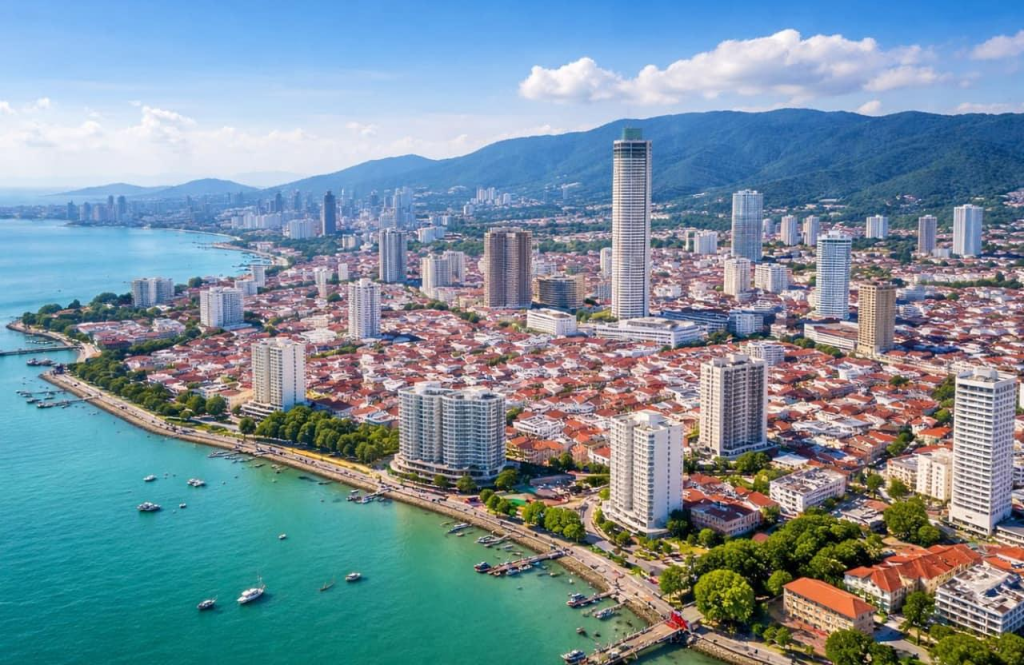
    Today, Penang continues to be one of Malaysia’s most attractive destinations. People come here for the food, culture, medical tourism, business opportunities, education, and lifestyle.

    As tourism and visitor arrivals continue to grow, so does the demand for short-term accommodation.

    This has created exciting opportunities for property investors.

    However, here’s something many people overlook.

    Not every property benefits equally.

    I’ve seen investors buy properties in popular locations only to discover that rental demand wasn’t as strong as expected.

    I’ve also seen investors achieve impressive returns because they understood something others missed.

    The difference often comes down to understanding the numbers.

    Location matters.

    Demand matters.

    Timing matters.

    What do ADR (Average Daily Rate) and occupancy rates really tell us?

    But perhaps most importantly, understanding rental data matters.

    How do you identify an area before prices start moving?

    How do you distinguish between a property that looks good and a property that actually performs well?

    These are the questions every investor should be asking.

    Another common misconception is that you need a large amount of capital to invest successfully.

    While capital helps, I’ve seen many investors structure their purchases intelligently through financing strategies, proper planning, and understanding market opportunities.

    Sometimes it’s not about how much money you have.

    It’s about how well you use it.

    That’s why I’ve decided to host a small-group sharing session in Penang where I’ll be revealing some of my latest research and observations on the rental market.

    We’ll discuss:

    ✔️ Insights from Penang’s Short-Term Rental Surge


    ✔️ How to identify high-yield property trends and focus areas

    ✔️ How to spot the right location before prices move

    ✔️ Understanding ADR, occupancy rates and real rental numbers

    ✔️ Building a profitable short-term rental strategy

    ✔️ Low-capital strategies that may help investors improve their returns

    Most importantly, this won’t be a typical seminar.

    We’ll be having discussions over coffee in a relaxed setting where you can ask questions and exchange ideas with fellow investors.

    Participants will also be invited to join an exclusive Property Study Tour to further enhance their understanding of location, demand drivers, and market opportunities.

    If you’re serious about understanding where Penang’s rental market is heading and how to position yourself for future opportunities, I believe you’ll find this session valuable.

    Event Details

    📅 Date: 20 June 2026 (Saturday)

    🕒 Time: 2:30 PM

    📍 Venue: Starbucks Coffee, Karpal Singh Drive, Penang

    ☕ Complimentary drink provided

    Seats are intentionally limited to ensure meaningful interaction and discussion.

    Register here: https://miichaelyeoh.com/event-page/

    I look forward to meeting you personally.

    — Miichael Yeoh

    Property Strategist | Developer Consultant | HRD Corp Certified Trainer

    Disclaimer: This reflects the author’s personal views based on market experience and current observations. It is not financial advice. Smart investors do their own research before making any move.

  • Before You Buy Property, Do This First — Or You’re Just Guessing

    Before You Buy Property, Do This First — Or You’re Just Guessing

    Smart Investors Don’t Start With Property — They Start With Demand

    Most people think property investment starts with:

    Location.
    Price.
    Developer.

    It doesn’t.

    It starts with a much more fundamental question:

    Are you buying for own use… or for investment?

    Because if you get this wrong, everything else becomes noise.


    Step 1: Define Your Purpose (No Grey Area)

    I’ve seen buyers say they are investing…

    But make decisions based on:

    • Design
    • Lifestyle
    • Personal preference

    That’s not investing.

    That’s emotion.

    If it’s own stay, you follow your lifestyle.

    If it’s investment, you follow demand and numbers.


    Step 2: Know Your Budget (This Sets Your Playing Field)

    Before anything else:

    • What is your true affordability?
    • What is your financing capacity?
    • What is your holding strength?

    Because in property:

    You don’t lose money when you buy wrong.
    You lose money when you can’t hold.

    Especially for investors—cash flow and holding power are everything.


    Step 3: Real Investors Do One Thing Differently — They RESEARCH

    This is the biggest gap in the market.

    Most buyers rely on:

    • Marketing materials
    • Sales narratives
    • “Good location” claims

    But experienced investors?

    They study the market before they commit.


    What Do You Actually Research?

    1. Demand & Demographics (The Real Starting Point)

    Forget the building first.

    Ask:

    Who is the end user of this property?

    • Young professionals?
    • Families?
    • Tourists?
    • Businesses?

    If you don’t understand demand,
    you’re not investing—you’re guessing.


    And This Is Where Industrial Property Becomes Interesting

    For big-budget investors, the shift is already happening.

    Demand is no longer driven by lifestyle.

    It’s driven by business movement and capital flow.

    Look at what’s happening:

    • Manufacturing relocation into Malaysia
    • Growth in logistics and warehousing
    • E-commerce expansion
    • Supply chain restructuring across ASEAN

    This creates a different type of demand:

    • Larger space requirements
    • Functional layouts over aesthetics
    • Accessibility to ports, highways, and labour
    • Long-term tenancy from businesses (not individuals)

    In other words:

    Industrial demand is economic-driven, not sentiment-driven.

    And that’s exactly what sophisticated investors are looking for.


    2. Price Per Square Foot (Entry Determines Exit)

    You make money when you buy right.

    Compare:

    • Nearby transactions
    • Competing projects
    • Replacement cost

    If you enter too high, your upside is already limited.


    3. Surrounding Supply (The Silent Risk)

    Most investors ignore this.

    But supply determines:

    • Rental pressure
    • Vacancy risk
    • Exit liquidity

    Too much incoming supply?

    Even a “good project” can underperform.


    4. Infrastructure & Connectivity (Follow the Growth)

    No area grows randomly.

    Growth follows:

    • Highways
    • Ports
    • Rail (LRT / MRT / logistics links)
    • Industrial corridors

    If infrastructure is expanding, demand usually follows.


    5. Rental & Yield Reality Check

    At the end of the day:

    Can it generate income?

    • What is the realistic rental?
    • Who is the tenant profile?
    • What is the occupancy expectation?

    If the numbers don’t work on paper,
    don’t rely on hope.


    What I’ve Learned From the Ground

    After evaluating multiple projects and markets, one thing is clear:

    The winners are not those who buy the most.
    The winners are those who understand demand the best.

    Every property I consider goes through:

    • Demand validation
    • Market comparison
    • Supply analysis
    • Financial assessment

    Because once you commit,
    you’re not just buying property…

    You’re locking in a decision for years.


    Final Thought

    Property investment has evolved.

    It’s no longer about chasing what’s popular.

    It’s about understanding why demand exists—and where it’s going next.

    Those who do the work will always have an edge.

    Those who don’t…

    Will always be reacting.


    Disclaimer: This reflects the author’s personal views based on market experience and current observations. It is not financial advice. Smart investors do their own research before making any move.

    From the Desk of

    Miichael Yeoh

  • Think Like a Banker Before You Buy Property

    Think Like a Banker Before You Buy Property

    One thing I learned from working closely with banks is this:

    Banks are extremely careful before approving a property loan.

    They analyse risks, stress-test your finances, and study whether you can survive difficult situations.

    But here’s the irony.

    Many property buyers don’t analyse their purchase the same way.

    They look at the show unit.
    They listen to marketing promises.
    They follow what others are buying.

    But they rarely ask the same questions a banker would ask.

    If you want to invest in property wisely, start by thinking like a banker.

    Here are three things bankers always analyse.


    1️⃣ Debt Ratio – Are You Stretching Yourself Too Thin?

    Banks look closely at your Debt Service Ratio (DSR).

    This measures how much of your income is used to pay debts.

    Even if a bank approves your loan, you should still ask yourself:

    • What happens if interest rates increase?
    • What if my income drops temporarily?
    • Will I still feel comfortable servicing the loan?

    A property might look affordable today.

    But bankers always plan for tomorrow’s risks.


    2️⃣ Holding Power – Can You Hold Through Market Cycles?

    Property markets don’t always go up.

    There will be slow periods.

    Bankers evaluate whether a borrower has the financial strength to continue paying during tough times.

    Smart investors should ask:

    • Can I hold this property for 5–10 years if needed?
    • Do I have cash reserves?
    • What if the market takes longer to recover?

    Many investors fail not because they bought the wrong property…

    They fail because they cannot hold it long enough.


    3️⃣ Rental Sustainability – Can the Property Support Itself?

    Another banker mindset is income sustainability.

    Before buying, ask:

    • Is there real rental demand here?
    • Who are the potential tenants?
    • Can the rental help support the loan?

    A strong investment property should ideally generate rental income that supports part of the financing.

    This reduces pressure and improves long-term stability.


    Final Thought

    Successful property investors don’t buy emotionally.

    They evaluate property like a banker evaluating risk.

    Before your next purchase, ask yourself:

    Does this property pass the banker’s test?

    When you start thinking like a banker, you don’t just buy property.

    You build a stronger and safer property portfolio.


    Miichael Yeoh
    Property Strategist | Developer Consultant | Investment & Mortgage Expert
    Author of Think Like a Banker, Act Like a Player

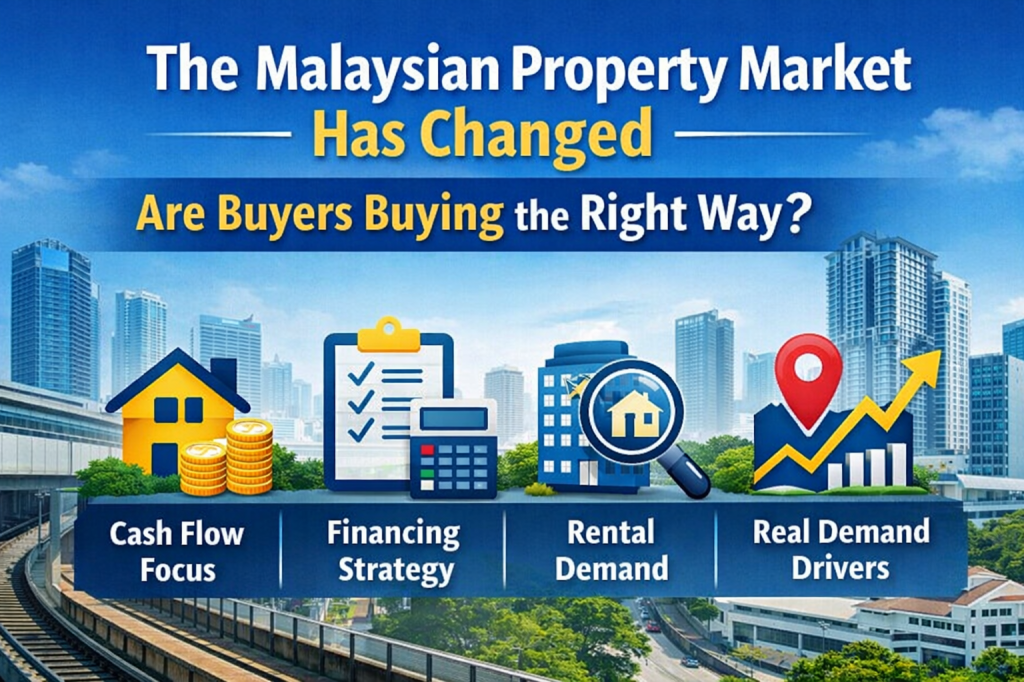
  • The Malaysian Property Market Has Changed — Are Buyers Buying the Right Way?

    The Malaysian Property Market Has Changed — Are Buyers Buying the Right Way?

    The Malaysian Property Market Has Changed — Are Buyers Buying the Right Way?

    For many years, property investing in Malaysia followed a familiar formula.

    Buy a new launch, wait a few years, and hope the price goes up.

    This strategy worked reasonably well during earlier property cycles when prices were rising quickly, financing was easier, and supply was more limited. Many investors entered the market believing that capital appreciation alone would justify the purchase.

    But today, the Malaysian property market has entered a different phase.

    The question buyers should now ask is no longer “Will the price go up?”
    The more important question is “Can this property sustain itself financially?”


    The Shift From Speculation to Sustainability

    Over the past decade, the mindset of property buyers has gradually evolved.

    Today’s buyers are more cautious, more analytical, and more focused on cash flow and long-term holding power.

    Instead of relying purely on future price appreciation, investors are increasingly asking questions such as:

    • What is the rental demand in this area?
    • Can the rental cover most of the loan instalment?
    • What happens if interest rates increase?
    • Who is the actual tenant profile for this property?

    These questions reflect a more mature approach to property investing.

    The reality is simple: not every property will appreciate significantly in the short term. When appreciation slows, the ability of the property to generate rental income becomes far more important.


    Financing Strategy Now Matters More Than Ever

    Another major shift in the market is the growing importance of financing structure.

    Many buyers focus heavily on the purchase price but pay little attention to how the property is financed. Yet the financing strategy can determine whether an investment becomes manageable or financially stressful.

    Buyers today need to consider:

    • Loan margin and interest rates
    • Monthly instalment affordability
    • Holding power during market slowdowns
    • Overall debt exposure

    A well-structured loan can give investors time and flexibility, while poor financial planning can force them to sell prematurely.

    Thinking about financing before buying is no longer optional — it is essential.


    Rental Demand Is Becoming a Key Decision Factor

    One of the biggest mistakes many investors made in the past was buying properties without considering who would actually rent the unit.

    Today, buyers are beginning to look more closely at demand drivers such as:

    • Proximity to employment hubs
    • Accessibility and transportation infrastructure
    • Nearby universities or hospitals
    • Tourism demand and short-term rental potential

    In markets like Penang, Kuala Lumpur, and Johor Bahru, rental demand is increasingly shaping investment decisions.

    For example, areas with strong tourism activity or major infrastructure developments may offer better rental prospects compared to purely speculative locations.

    The key question investors should ask is:

    “Who is my tenant?”

    If there is no clear answer, the investment may not perform as expected.


    The Role of Infrastructure and Economic Drivers

    Another important factor influencing property performance today is real economic activity.

    Infrastructure projects, transportation connectivity, employment centres, and tourism growth can significantly impact both rental demand and long-term property value.

    For instance, upcoming transportation developments and urban revitalisation projects in cities such as Georgetown could change demand patterns in the coming years.

    However, infrastructure alone does not guarantee success. The surrounding ecosystem — population growth, business activity, and lifestyle demand — must also support the property market.


    Buying Property Today Requires a Different Mindset

    The Malaysian property market has not disappeared. But the way buyers approach property must evolve.

    Successful investors today tend to follow a more balanced approach:

    • Evaluate rental yield and cash flow
    • Structure financing carefully
    • Understand real demand drivers
    • Focus on long-term sustainability

    In other words, the focus has shifted from short-term speculation to long-term investment discipline.


    A Final Thought

    Property has always been a long-term asset class.

    But in today’s market environment, buying property requires more than just optimism about future price growth.

    It requires careful thinking, realistic financial planning, and a clear understanding of market demand.

    The Malaysian property market has changed.

    The real question is — have buyers changed with it?


    Miichael Yeoh
    Property Strategist | Developer Consultant | HRD Corp Trainer

    Miichael Yeoh has more than 28 years of experience spanning banking, mortgage advisory, property investment, and developer consultancy. He is also the author of Think Like a Banker, Act Like a Player, Property Investment BLT, and Buying Property Like A Pro.

  • 🇲🇾 Malaysia Budget 2026: What Property Buyers and Investors Need to Know

    🇲🇾 Malaysia Budget 2026: What Property Buyers and Investors Need to Know

    By Miichael Yeoh | October 11, 2025

    The Malaysian Budget 2026 was tabled yesterday by Prime Minister and Finance Minister Dato’ Seri Anwar Ibrahim, themed “Memacu Ekonomi MADANI: Memperkasa Rakyat.”

    With a total allocation of RM470 billion, this budget continues the government’s commitment to building a fair and inclusive economy — with property and housing once again taking center stage.

    Here’s my summary and insight on what Budget 2026 means for property buyers, developers, and investors.


    🏡 1. Stamp Duty Exemption Extended for First-Time Buyers

    Good news — the full stamp duty exemption on both the instrument of transfer and loan agreement for first-time buyers remains in place until 31 December 2027.

    This applies to residential properties priced up to RM 500,000.

    👉 What this means:
    If you’re planning to buy your first home, your upfront costs remain much lower. For many young Malaysians, this can be the difference between “maybe later” and “buy now.”


    💰 2. Bigger Housing Loan Guarantee (SJKP Doubled to RM 20 Billion)

    The Housing Credit Guarantee Scheme (SJKP) is being expanded from RM 10 billion to RM 20 billion, expected to help over 80,000 first-time buyers — including self-employed, gig workers, and informal earners.

    👉 What this means:
    Loan approvals should become easier. This is crucial for those who may not have formal payslips but have consistent income — a growing segment of today’s workforce.


    🌍 3. Higher Stamp Duty for Foreign Buyers

    To cool speculative buying, stamp duty for non-citizens and foreign companies buying residential properties will rise from 4% to 8%.

    Permanent residents (PRs) are not affected.

    👉 What this means:
    Foreign investors will likely focus only on premium areas like KLCC, Mont Kiara, and Penang island. For locals, this could mean less competition — and potentially better entry prices.


    🏢 4. Tax Deduction for Converting Commercial Buildings into Homes

    A forward-thinking move — developers who convert old commercial buildings into residential use can now claim a 10% tax deduction (up to RM 10 million) on eligible renovation costs.

    👉 What this means:
    Expect more adaptive reuse projects — turning old offices or malls into apartments or co-living units. This could help rejuvenate urban centers while reducing idle property stock.


    🏠 5. Support for Rent-to-Own (RTO) and Build-Then-Sell (BTS) Schemes

    Banks are encouraged to support RTO and BTS housing models to make ownership easier and reduce project abandonment.

    👉 What this means:
    More flexibility for buyers who can’t yet afford a traditional down payment, and stronger assurance that projects are completed before full payment.


    👨‍💼 6. Higher LPPSA Loan Limit for Civil Servants

    The Public Sector Home Financing Board (LPPSA) limit will increase to RM 1 million in 2026.

    👉 What this means:
    Civil servants can now afford better homes in urban areas without needing multiple loans.


    🧱 7. RM 672 Million for Affordable Housing and Repairs

    The government is allocating RM 672 million for:

    • Affordable homes (Residensi Rakyat, Rumah Mesra Rakyat)
    • Refurbishing old or dilapidated houses
    • Maintenance for low- and medium-cost flats (e.g. lift replacements)

    👉 What this means:
    Positive for social stability and overall living quality. Also good news for contractors and local developers involved in affordable housing.


    ⚙️ 8. Construction and Tax Updates

    • SST on construction services will apply for new contracts from 1 Jan 2026.
    • Carbon tax will begin in stages, affecting material costs (cement, steel).
    • These may slightly raise overall building costs — developers should factor this into pricing.

    🔎 My Insights: What to Watch in 2026

    1. Affordable and Mid-Range Housing
      Remains the government’s priority. Buyers in this segment have strong support — expect steady demand.
    2. Conversion Projects = Hidden Opportunity
      Old commercial spaces could become the next hot residential spots. Developers who act early may gain an edge.
    3. Foreign Demand Softens, Local Focus Strengthens
      With higher duties, foreign demand may dip — but this creates more room for local owner-occupiers and long-term investors.
    4. Construction Cost Pressure
      SST and carbon-related costs might raise project expenses by 3–5%. Efficient developers with strong cash flow will manage better.
    5. Financing Still Key
      Even with incentives, loan approval remains the biggest hurdle. Buyers should prepare documentation properly (income proof, CCRIS record, existing commitments).

    📈 Final Thoughts

    Budget 2026 shows that Malaysia is moving toward a more sustainable and inclusive housing market — one that balances affordability with innovation.

    For homebuyers, it’s a window of opportunity to act while incentives are strong.
    For investors, it’s time to look beyond traditional launches and explore conversion, rental, and co-living strategies.
    And for developers, the message is clear — adapt fast, innovate smart.

    The property market in 2026 will favor those who understand trends early and act strategically.

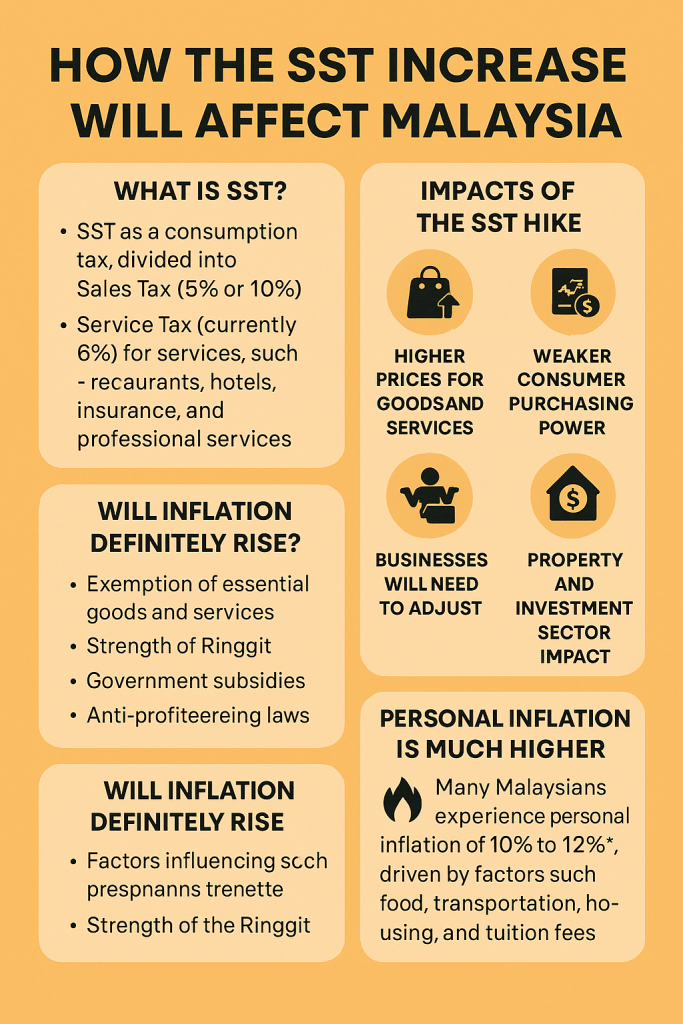
  • SST Increase from 6% to 8%: How It Will Impact Malaysia’s Property Industry

    SST Increase from 6% to 8%: How It Will Impact Malaysia’s Property Industry


    Introduction

    Starting July 1, 2025, the Malaysian government officially raised the Sales and Services Tax (SST) from 6% to 8%, aiming to increase national revenue and reduce fiscal deficits. While basic necessities and certain essential services remain exempt, many sectors — including construction, legal, professional, and property-related services — are now affected. This tax adjustment is expected to have ripple effects across various industries, especially the property market, which is already facing affordability challenges.

    This article examines how the SST hike impacts the property industry, giving practical examples and offering insights into how buyers, developers, and investors might respond.


    1. Scope of SST Increase in the Property Sector

    The SST increase does not apply directly to the sale of residential properties, which are exempt from SST. However, indirect costs will go up due to increased service charges in the construction, legal, and property management sectors. These cost increments will eventually be transferred to end buyers and tenants, especially in commercial and high-rise residential developments.


    2. Areas Affected in Property Development

    Here’s a breakdown of how the 2% SST increase affects the property ecosystem:

    Service TypeBaseOld SST (6%)New SST (8%)
    Architect/Engineer FeesRM100,000RM106,000RM108,000
    Legal/Stamping ServicesRM20,000RM21,200RM21,600
    Renovation/Interior Fit-OutRM150,000RM159,000RM162,000
    Property Management ServicesRM50,000RM53,000RM54,000
    Advertising & MarketingRM30,000RM31,800RM32,400

    Example:
    A developer constructing a new serviced apartment project incurs around RM5 million in professional and management fees. Under the previous 6% SST, the tax was RM300,000. Now, it’s RM400,000 — a 33% increase in SST cost, which could result in higher launch prices to maintain developer margins.


    3. Impact on Property Developers

    • Higher Development Cost: Most developers will face a 5–8% increase in overall project costs when combined with inflation and compliance costs.
    • Price Adjustment Pressure: Developers may either absorb the cost (lowering margins) or pass it to consumers — likely raising launch prices, especially in urban areas.
    • Delay in New Launches: Some developers may delay project launches until market conditions stabilize.

    4. Impact on Homebuyers

    Although SST is not directly charged on residential property purchases, buyers may feel the pinch in several ways:

    • Higher Property Prices: Due to rising development and marketing costs.
    • Increased Renovation Expenses: Renovation and interior design are service-based industries and are now charged 8% SST.
    • Increased Maintenance Fees: Management services in condos or commercial buildings may increase, translating to higher monthly maintenance charges for owners and tenants.

    5. Impact on Real Estate Investors

    Investors will also be affected indirectly:

    • Lower Rental Yield: If property prices go up but rental rates remain stagnant, net returns will shrink.
    • Higher Operational Costs: Especially for those managing short-term rentals or Airbnb units (cleaning, advertising, renovation services all now taxed at 8%).
    • Buyer Caution: Investors may delay purchases or switch to lower-risk assets like REITs or landed residential properties outside city centers.

    6. Outlook and Strategies

    Despite the challenges, the SST increase may drive some positive changes:

    • Developers may adopt cost-efficiency technologies to maintain affordability.
    • Buyers may turn to subsale markets, which are less affected by SST-related costs.
    • Investors may focus on cash-flow-positive properties, especially those with low operating costs.

    Conclusion

    The SST increase from 6% to 8% might seem modest on paper, but its cascading effect across the property value chain is real. While residential property sales remain tax-exempt, associated services — from construction to maintenance — will become costlier. As developers adjust pricing and investors reassess risk, Malaysia’s property market may experience a short-term slowdown but could stabilize as the market adapts.


    Final Thought
    For both buyers and investors, 2024–2025 will require careful financial planning and a close eye on property pricing trends. Understanding the real costs behind the price tag is more important than ever.

    From The Desk of Miichael Yeoh

  • Avoid Costly Mistakes: 8 Reasons to Learn Before Investing in Real Estate

    Avoid Costly Mistakes: 8 Reasons to Learn Before Investing in Real Estate

    Purchasing or investing in property is one of the most significant financial decisions a person can make. While the prospect of owning a piece of real estate can be exciting, it’s also fraught with risks and complexities. Here are eight compelling reasons why educating yourself before taking the plunge is crucial:

    1. Understanding the Market

    The property market is dynamic, influenced by factors such as economic conditions, interest rates, and government policies. Without proper knowledge, you might buy at the wrong time or in the wrong location, potentially leading to financial losses. Education helps you grasp market cycles and trends, enabling informed decisions.

    2. Avoiding Costly Mistakes

    From overpaying for a property to falling victim to scams, the risks of making costly mistakes are high for uninformed buyers. Learning about property valuation, legal processes, and common pitfalls can save you from financial heartache.

    3. Maximizing Investment Returns

    Investing in property isn’t just about buying a house or apartment; it’s about choosing assets that will appreciate in value or generate steady rental income. Understanding key metrics such as ROI (Return on Investment) and cash flow can help you identify profitable opportunities.

    4. Navigating Legal and Financial Complexities

    Property transactions involve a maze of legal and financial considerations. From understanding loan agreements to navigating tax implications and zoning laws, there’s a lot to learn. A lack of knowledge could lead to delays or even legal troubles.

    5. Building Confidence

    The more you know, the more confident you’ll feel about your decisions. Knowledge reduces fear and uncertainty, empowering you to negotiate effectively, choose wisely, and stick to your long-term goals.

    6. Identifying Red Flags

    Not all properties are created equal. Structural issues, poor location, and hidden costs can turn a dream investment into a nightmare. Learning to conduct due diligence and property inspections ensures you spot potential problems early.

    7. Accessing Better Financing Options

    Understanding how mortgages and loans work can save you thousands of dollars over the life of your investment. Learning about different financing options and how to improve your creditworthiness can lead to better interest rates and loan terms.

    8. Planning for the Future

    Property investment is a long-term commitment. Learning helps you align your investment choices with your financial goals, whether it’s building wealth, securing passive income, or preparing for retirement. Knowledge enables strategic planning that benefits you in the long run.

    Conclusion

    Investing time and effort into learning before buying or investing in property is an investment in itself. It equips you with the tools and insights needed to make smart, informed decisions that align with your financial aspirations. Remember, in the world of property, knowledge isn’t just power; it’s profit.

  • Mike Tyson’s Resilience: Investment Lessons for Every Age

    Mike Tyson’s Resilience: Investment Lessons for Every Age

    Mike Tyson, the legendary former heavyweight boxing champion, shocked the world when he continues to maintain his fighting spirit at 58. His return wasn’t just about showcasing his physical prowess; it symbolized the unyielding human spirit and a refusal to let age define capabilities. Tyson’s story offers an invaluable lesson: it’s never too late to keep striving for your dreams, even after traditional retirement age.

    For property investors, Tyson’s journey serves as a powerful reminder that success often comes to those who refuse to give up, regardless of age or setbacks.

    Age is Just a Number in Life and Property Investment

    Many believe that real estate is a young person’s game. However, the truth is that property investment, much like Tyson’s boxing career, rewards perseverance, learning, and action—qualities that grow stronger with age and experience. Whether you’re in your 30s or your 60s, there’s always an opportunity to start or scale your property portfolio.

    The Beauty of Late Blooming

    Tyson isn’t alone in proving that success can come at any age. Many individuals have achieved extraordinary milestones well past the age society deems “prime.” These stories also align closely with property investment principles.

    1. Donald Trump

    Donald Trump built a significant part of his wealth through real estate. Even at 70, when he became the oldest first-term President of the United States in 2016, he demonstrated that reinvention is possible at any age. His story reminds property investors that it’s never too late to think big and make bold moves.

    2. Colonel Harland Sanders

    The founder of Kentucky Fried Chicken (KFC) started his fried chicken empire at 62 after facing multiple failures. Sanders’s persistence mirrors the journey of seasoned investors who’ve faced setbacks but ultimately built lasting wealth by taking calculated risks.

    3. Ray Kroc

    At 52, Ray Kroc transformed McDonald’s into a global powerhouse. Like in property investment, Kroc’s success required spotting a great opportunity and scaling it—a skill that improves with age and experience.

    4. Diana Nyad

    At 64, Diana Nyad became the first person to swim from Cuba to Florida without a shark cage. Her determination to push limits reflects the same mindset required in property investment: relentless focus and belief in achieving the impossible.

    Why Real Estate Works at Any Age

    1. Compounding Growth: Property investments tend to grow in value over time, making it ideal for those looking to build wealth regardless of when they start.
    2. Leverage Experience: With age comes wisdom—an invaluable asset in understanding market trends and avoiding costly mistakes.
    3. Passive Income: Rental properties offer a consistent income stream, making them perfect for retirement planning or financial independence at any stage of life.
    4. Opportunities for Reinvention: Like Tyson stepping back into the ring, seasoned individuals can pivot into property investment as a second career or passion project.

    Lessons from Tyson for Property Investors

    Tyson’s return to the ring, like the stories of Trump, Sanders, and others, underscores the importance of persistence and seizing opportunities. Property investment is no different. It requires:

    • Resilience: Markets fluctuate, but seasoned investors stay the course.
    • Action: It’s never too late to make that first purchase or expand your portfolio.
    • Vision: Investing in property, like boxing, requires foresight and planning to achieve long-term success.

    Making Your Comeback

    Whether you’re approaching retirement or already there, property investment offers one of the most reliable ways to achieve financial freedom. With proper guidance, anyone—regardless of age—can start building a portfolio that generates wealth for years to come.

    Just like Tyson’s return to the ring, starting or growing a property portfolio later in life is proof that you can achieve greatness in your “second act.” So, lace up your gloves, do your research, and take the first step—your property investment journey starts now!

  • Discover The Keys to Successful Property Investment (Live Webinar)

    Discover The Keys to Successful Property Investment (Live Webinar)

    Are these familiar struggles for you?

    🏠 Feeling lost in the world of property investment?

    💰 Watching your investments drain your finances?

    😱 Scared off by terrifying investment horror stories?

    💸 Struggling to secure funds for investment?

    🏦 Facing obstacles getting a loan from the bank?

    🔍 Bought a property but can’t find a tenant?

    You’re not alone. But here’s what awaits you on the other side:

    • Witnessing others prosper through property investment while you sit on the sidelines.
    • Regretting missed opportunities for passive income generation.
    • Reflecting on how better financial planning could have changed your life.

    What’s in store for you at my seminar?

    🔍 Insights to equip yourself for successful property investment.

    ⚠️ Awareness of common pitfalls to avoid in the property market.

    🏡 Understanding the crucial components of property investment.

    📊 Appreciation for the importance of property data analysis.

    🔍 Guidance on conducting thorough due diligence before buying.

    💼 Experience the transformative power of effective financial planning.

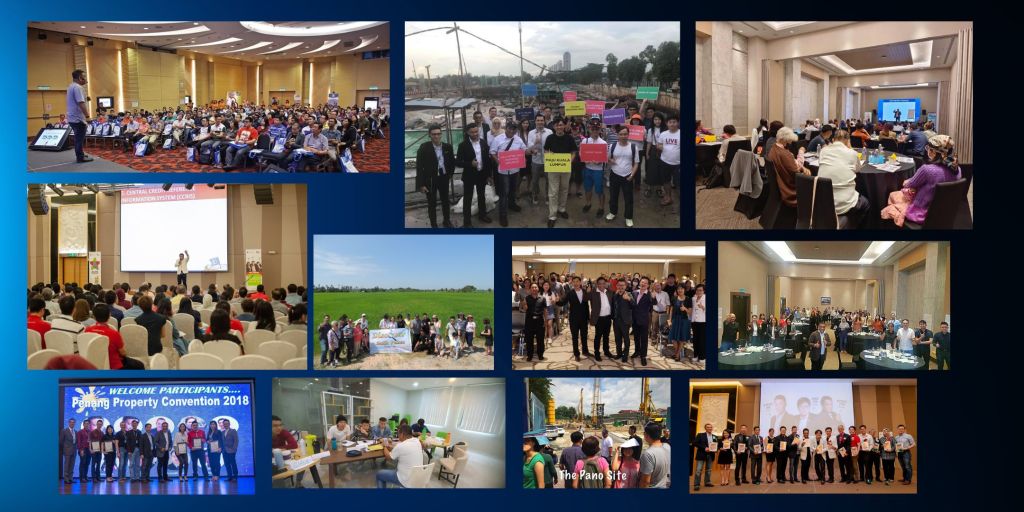
    Audiences and events I’ve spoken and organized for property buyers/investors, developers, conventions, and property study trips.

    Don’t let uncertainty or fear hold you back! Join me and unlock the doors to a brighter financial future!

    Register your FREE SEATS Now as seats are limited…..

    See you soon,

    Miichael Yeoh