Tag: MiichaelYeoh

  • What the New EPF Policy Changes Mean for Your Retirement — and Your Financial Freedom in 2026

    What the New EPF Policy Changes Mean for Your Retirement — and Your Financial Freedom in 2026

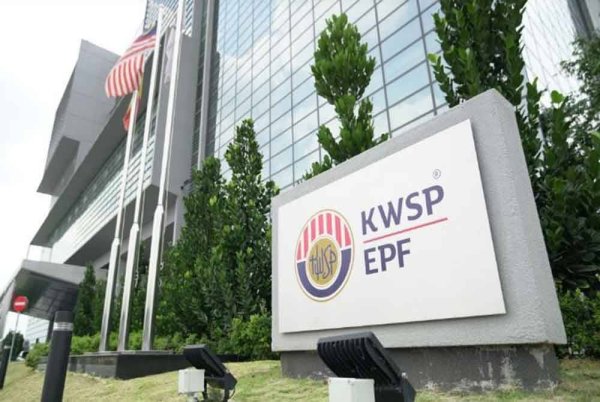
    Happy New Year, friends! Starting today, a suite of important changes to the Employees Provident Fund (EPF) takes effect — and if you’re serious about building financial security and retirement freedom, you’ll want to know what these mean for you.

    As someone who talks to regular Malaysians about money, property and long-term planning every week, my goal is simple: help you turn policies into practical moves you can use to grow your wealth.

    Let’s break this down in a way that’s clear and actionable.


    🔹 1. Expanded Retirement Planning Tools (RIA Framework)

    EPF has introduced a Retirement Income Adequacy (RIA) Framework that gives benchmarks for how much you should aim to save by retirement:

    • Basic Savings: RM390,000
    • Adequate Savings: RM650,000
    • Enhanced Savings: RM1.3 million
      These are guidelines, not limits — but they are extremely useful targets to align your financial plan with real aspirations and lifestyle goals in retirement.

    🔹 2. More Flexibility for High-Savings Members

    If you’ve been disciplined and grown your EPF to more than RM1 million, the new rules give you more control over that excess:

    • From 2026, the threshold before you can withdraw excess savings will increase gradually — starting at RM1.1M this year, then RM1.2M and RM1.3M in future years.

    Why is this smart? Because the policy encourages strong retirement savings first before letting you unlock surplus funds — great if you are thinking about investment or business opportunities after securing your basics.


    🔹 3. New Opportunities for Gig and Informal Workers

    This is a huge deal for drivers, riders and the self-employed:
    EPF is launching i-Saraan Plus, an enhanced contribution scheme just for gig workers — with government matching of up to RM600 per year (capped at RM6,000 lifetime).

    This means you’re effectively getting a subsidy from the government just for saving — and that boosts your retirement-nest egg without extra burden.


    🔹 4. i-Suri Extended to Age 60

    For homemakers and spouses who contribute voluntarily under i-Suri, the eligibility age has been raised from 55 to 60.
    Plus, the 50% government matching incentive continues — meaning more government help to grow your savings pot.

    For many families, this is a practical way to build savings even without a traditional salary.


    🔹 5. Haj Withdrawal Limit Increased

    Good news if performing Hajj is in your 2026 plans:
    You can now withdraw up to RM10,000 from your EPF Hajj savings, up from RM3,000 previously — and with a simpler process.

    This change shows that EPF understands real life goals — not just retirement — and is adapting to help you plan important life milestones.


    🔹 6. Helpful Changes to Investment Eligibility

    The Members Investment Scheme (MIS) — which lets EPF contributors invest part of their savings — will now align with the basic RIA savings level.
    This means the minimum savings balance required for MIS participation increases gradually, ensuring that investment decisions don’t compromise your core retirement needs.


    What This Means for Your Money Strategy

    Here’s how you can think about these changes in your financial plan:

    Make EPF savings your foundation — the new RIA Framework gives goals to aim for.
    If you’re a gig worker or informal worker, take advantage of voluntary schemes like i-Saraan Plus — free government matching is like extra income.
    Plan ahead for retirement AND life goals — from Hajj to home deposits to future business capital.
    Keep investing mindfully — the MIS changes protect retirement security first, while letting disciplined savers grow their wealth.


    My Take: Retirement Isn’t Just an Age — It’s a Strategy

    Too many Malaysians think of EPF as just something you touch at 55. But with these changes, EPF is becoming a more powerful engine for lifelong financial planning — from your 20s all the way to retirement and beyond.

    If you’re building property portfolios, planning business income, or aiming for financial freedom, understanding how to use EPF strategically makes all the difference.

    Stay savvy, stay disciplined — and let’s make 2026 the year your financial future gets real traction.

    💬 Got questions about how to align these EPF changes with your property or investment goals? Ask me below!

    From the Desk of

    Miichael Yeoh

  • 🇲🇾 Malaysia Budget 2026: What Property Buyers and Investors Need to Know

    🇲🇾 Malaysia Budget 2026: What Property Buyers and Investors Need to Know

    By Miichael Yeoh | October 11, 2025

    The Malaysian Budget 2026 was tabled yesterday by Prime Minister and Finance Minister Dato’ Seri Anwar Ibrahim, themed “Memacu Ekonomi MADANI: Memperkasa Rakyat.”

    With a total allocation of RM470 billion, this budget continues the government’s commitment to building a fair and inclusive economy — with property and housing once again taking center stage.

    Here’s my summary and insight on what Budget 2026 means for property buyers, developers, and investors.


    🏡 1. Stamp Duty Exemption Extended for First-Time Buyers

    Good news — the full stamp duty exemption on both the instrument of transfer and loan agreement for first-time buyers remains in place until 31 December 2027.

    This applies to residential properties priced up to RM 500,000.

    👉 What this means:
    If you’re planning to buy your first home, your upfront costs remain much lower. For many young Malaysians, this can be the difference between “maybe later” and “buy now.”


    💰 2. Bigger Housing Loan Guarantee (SJKP Doubled to RM 20 Billion)

    The Housing Credit Guarantee Scheme (SJKP) is being expanded from RM 10 billion to RM 20 billion, expected to help over 80,000 first-time buyers — including self-employed, gig workers, and informal earners.

    👉 What this means:
    Loan approvals should become easier. This is crucial for those who may not have formal payslips but have consistent income — a growing segment of today’s workforce.


    🌍 3. Higher Stamp Duty for Foreign Buyers

    To cool speculative buying, stamp duty for non-citizens and foreign companies buying residential properties will rise from 4% to 8%.

    Permanent residents (PRs) are not affected.

    👉 What this means:
    Foreign investors will likely focus only on premium areas like KLCC, Mont Kiara, and Penang island. For locals, this could mean less competition — and potentially better entry prices.


    🏢 4. Tax Deduction for Converting Commercial Buildings into Homes

    A forward-thinking move — developers who convert old commercial buildings into residential use can now claim a 10% tax deduction (up to RM 10 million) on eligible renovation costs.

    👉 What this means:
    Expect more adaptive reuse projects — turning old offices or malls into apartments or co-living units. This could help rejuvenate urban centers while reducing idle property stock.


    🏠 5. Support for Rent-to-Own (RTO) and Build-Then-Sell (BTS) Schemes

    Banks are encouraged to support RTO and BTS housing models to make ownership easier and reduce project abandonment.

    👉 What this means:
    More flexibility for buyers who can’t yet afford a traditional down payment, and stronger assurance that projects are completed before full payment.


    👨‍💼 6. Higher LPPSA Loan Limit for Civil Servants

    The Public Sector Home Financing Board (LPPSA) limit will increase to RM 1 million in 2026.

    👉 What this means:
    Civil servants can now afford better homes in urban areas without needing multiple loans.


    🧱 7. RM 672 Million for Affordable Housing and Repairs

    The government is allocating RM 672 million for:

    • Affordable homes (Residensi Rakyat, Rumah Mesra Rakyat)
    • Refurbishing old or dilapidated houses
    • Maintenance for low- and medium-cost flats (e.g. lift replacements)

    👉 What this means:
    Positive for social stability and overall living quality. Also good news for contractors and local developers involved in affordable housing.


    ⚙️ 8. Construction and Tax Updates

    • SST on construction services will apply for new contracts from 1 Jan 2026.
    • Carbon tax will begin in stages, affecting material costs (cement, steel).
    • These may slightly raise overall building costs — developers should factor this into pricing.

    🔎 My Insights: What to Watch in 2026

    1. Affordable and Mid-Range Housing
      Remains the government’s priority. Buyers in this segment have strong support — expect steady demand.
    2. Conversion Projects = Hidden Opportunity
      Old commercial spaces could become the next hot residential spots. Developers who act early may gain an edge.
    3. Foreign Demand Softens, Local Focus Strengthens
      With higher duties, foreign demand may dip — but this creates more room for local owner-occupiers and long-term investors.
    4. Construction Cost Pressure
      SST and carbon-related costs might raise project expenses by 3–5%. Efficient developers with strong cash flow will manage better.
    5. Financing Still Key
      Even with incentives, loan approval remains the biggest hurdle. Buyers should prepare documentation properly (income proof, CCRIS record, existing commitments).

    📈 Final Thoughts

    Budget 2026 shows that Malaysia is moving toward a more sustainable and inclusive housing market — one that balances affordability with innovation.

    For homebuyers, it’s a window of opportunity to act while incentives are strong.
    For investors, it’s time to look beyond traditional launches and explore conversion, rental, and co-living strategies.
    And for developers, the message is clear — adapt fast, innovate smart.

    The property market in 2026 will favor those who understand trends early and act strategically.

  • Unlock Real Estate Success with Property Study Tours

    Unlock Real Estate Success with Property Study Tours

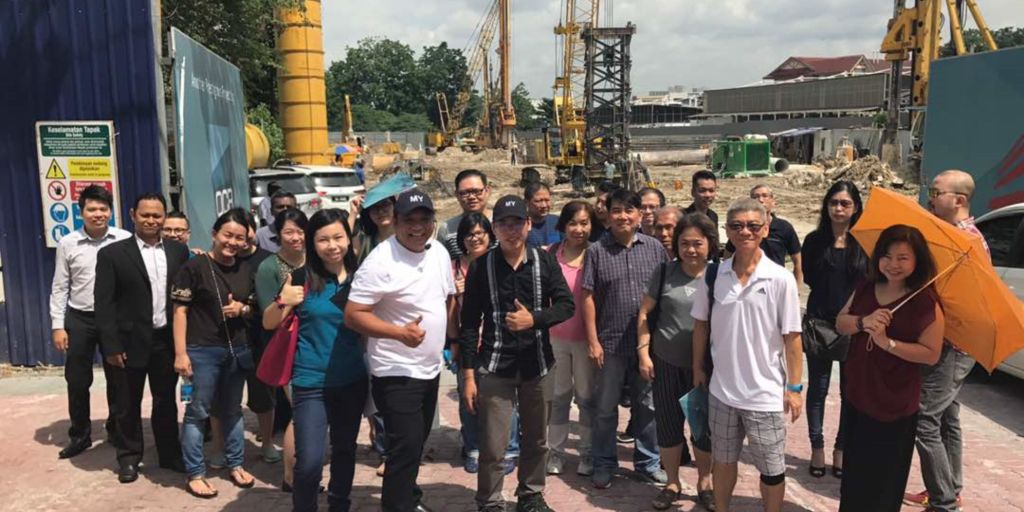
    As a property investment coach and mentor, I’ve seen firsthand how powerful a property study trip can be for investors at all levels. Whether you’re a seasoned investor or just starting out, nothing beats the experience of visiting properties in person, analyzing market trends, and networking with experts. That’s why I organize property study trips—to give you a competitive edge in the real estate market. Here’s why you should join me on this journey.

    1. Firsthand Property Inspection

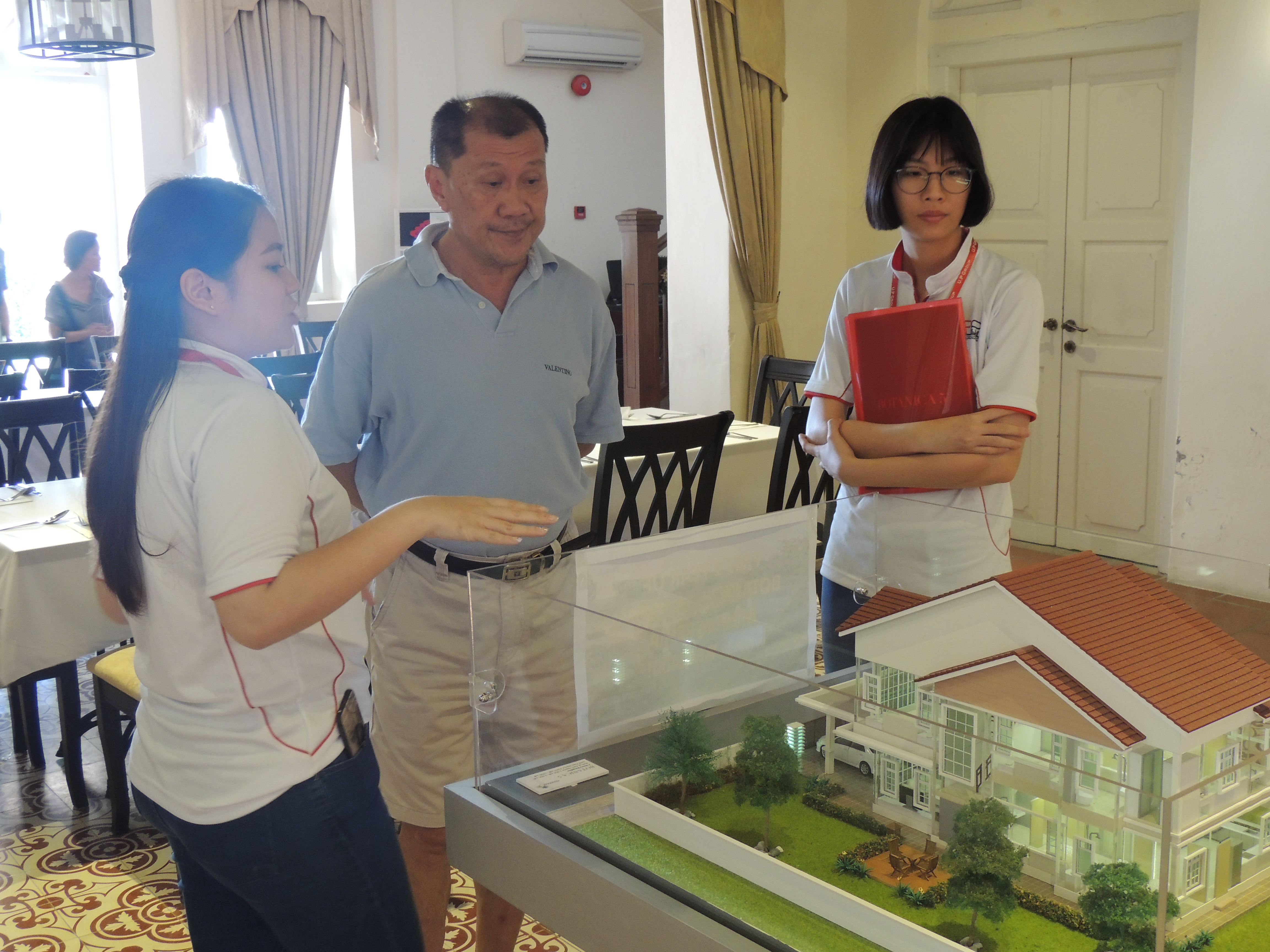
    Browsing online listings and reading brochures only tell part of the story. When you join my property study tour, you’ll get to walk through the properties, examine the surroundings, and see if they align with your investment goals. I’ll guide you in assessing crucial aspects like location, infrastructure, and future development plans so you can make a well-informed decision. Plus, I’ll share my insights on what to look for in a profitable property, helping you avoid costly mistakes.

    2. Understand Market Trends and Insights

    Every property market operates differently, and the key to successful investing is understanding these nuances. On my study tours, I provide in-depth briefings on market trends, pricing structures, and upcoming investment hotspots. You’ll also hear from local experts who can offer data-driven insights into property price movements and rental yields. I’ve spent years studying the market, and I’ll help you cut through the noise to identify real opportunities.

    3. Network with Like-Minded Investors

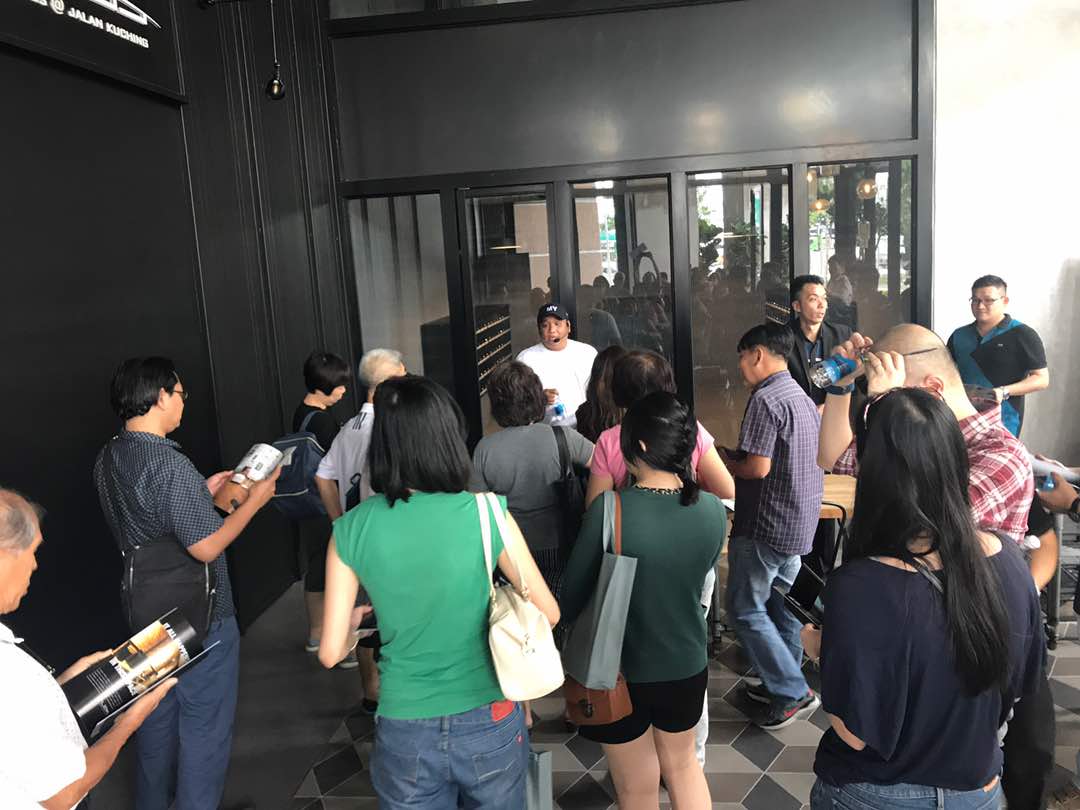
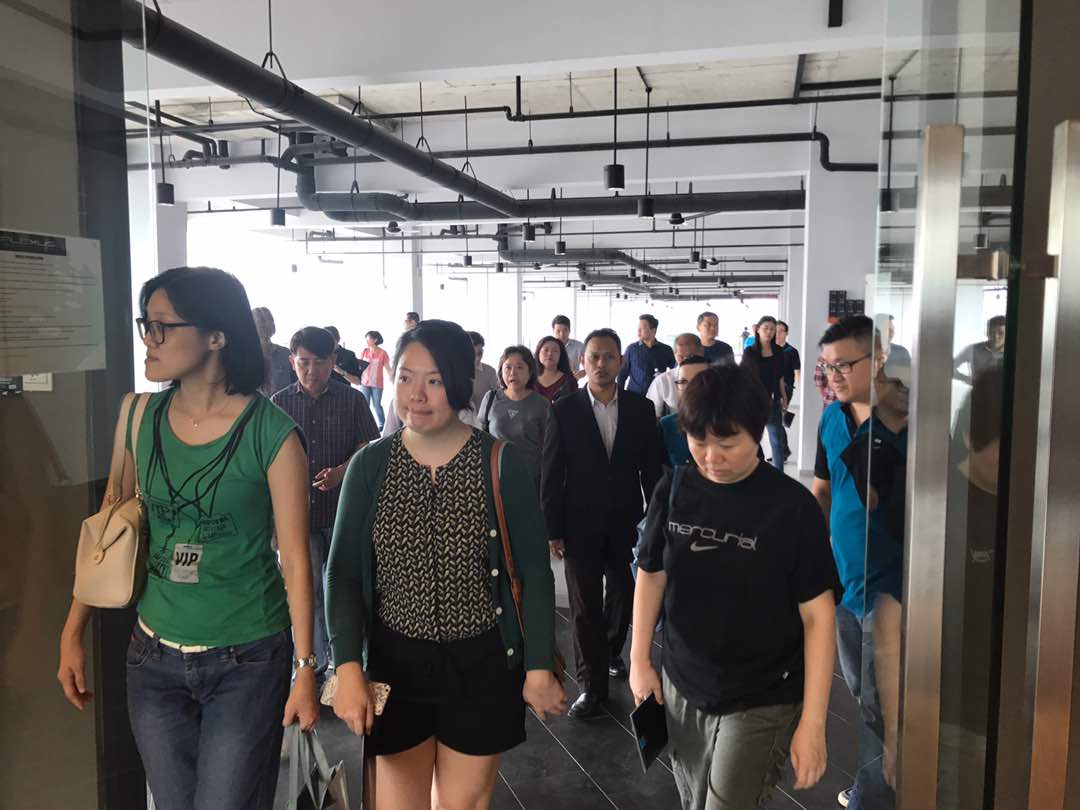
    One of the biggest advantages of joining my study trips is the opportunity to meet and network with like-minded investors. Many of my past participants have formed business partnerships, co-invested in properties, or simply found a supportive community to grow with. Learning from the experiences of others can be incredibly valuable, and I make sure to create an environment where everyone can share and learn together.

    4. Exclusive Access to Off-Market Deals

    Through my network and relationships with developers, I often get access to exclusive deals that aren’t available to the general public. This means you’ll have the chance to secure high-potential properties before they hit the open market. Developers also offer special discounts, incentives, and flexible payment plans to my study trip attendees—something you wouldn’t get if you were searching on your own.

    5. Expert Guidance and Analysis

    Investing in property isn’t just about buying a house or unit—it’s about making the right investment decisions. I provide expert guidance throughout the trip, helping you analyze risks, assess potential returns, and navigate financing options. You’ll also gain insights into legal requirements, taxation, and property management. With my years of experience in property investment and financial consulting, I’ll make sure you’re equipped with the knowledge you need to succeed.

    6. Experience the Local Lifestyle and Environment

    A great investment isn’t just about the property itself—it’s also about the surrounding lifestyle, infrastructure, and amenities. By visiting the location in person, you’ll get a feel for the area, check out nearby facilities, and determine whether it aligns with your personal or investment objectives. I’ll also share my insights on which neighborhoods have the most growth potential and what to watch out for when assessing an area’s long-term viability.

    7. Gain Confidence in Your Investment Decisions

    One of the biggest challenges new investors face is hesitation and uncertainty. I believe that seeing is believing, and by joining my study trip, you’ll gain the confidence to make informed investment decisions. I’ll help you weigh the pros and cons of different properties so you can make a calculated decision rather than relying on guesswork.

    8. Exposure to Different Property Investment Strategies

    Not all property investments are the same. During the tour, I’ll introduce you to different strategies such as buying for rental yield, flipping properties, or capital appreciation. You’ll also learn about new trends like co-living spaces and serviced apartments that can diversify your portfolio. By understanding these strategies, you’ll be able to choose an approach that aligns with your financial goals.

    9. Learn from Real-Life Case Studies

    I always include real-life case studies in my study trips, sharing stories of successful property investors who have built wealth through smart real estate decisions. These case studies provide valuable lessons, helping you understand what works and what doesn’t in property investment. You’ll hear from actual investors who share their journeys, challenges, and strategies.

    10. Potential for Immediate Action

    Unlike attending a seminar or watching an online course, a property study tour allows you to take action immediately. If you find a property that meets your criteria, you can reserve it on the spot—often with exclusive perks and discounts. Many of my past participants have successfully secured properties during the trip, giving them a head start in their investment journey.

    Conclusion

    I’ve designed my property study tours to be an immersive, hands-on learning experience that equips you with the knowledge, connections, and confidence to invest successfully. Whether you’re looking for your first property or expanding your portfolio, this tour will give you a significant advantage. Don’t miss out on this opportunity—join me on the next study trip and take your property investment journey to the next level!

    Most importantly, my property study tours are not just about learning and investing—they’re also about having fun! You’ll get to travel, explore new locations, and enjoy meaningful conversations with fellow property enthusiasts. It’s a great way to bond with like-minded individuals, share experiences, and build lasting relationships in a relaxed and enjoyable setting. See you on the next trip!