Tag: MalaysianProperty

  • WEEKLY PROPERTY ROUNDUP

    WEEKLY PROPERTY ROUNDUP

    26 September – 2 October 2026

    Malaysia + International Property Insights

    This week’s market is interesting for one reason: the headlines are not telling one single story.

    Malaysia has pockets of resilience in retail and construction, but residential developers are still dealing with affordability and unsold stock. Overseas, Australia is going through a much sharper housing correction, while Singapore continues to reposition mature assets through redevelopment.

    For buyers and investors, the lesson is simple: look beneath the headline number.


    🇲🇾 1. KIP REIT Completes RM435 Million Setapak Central Mall Acquisition
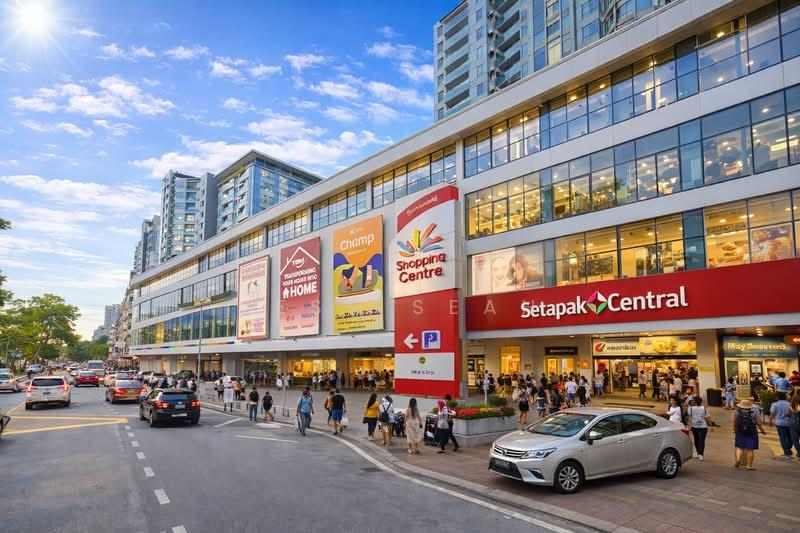
    What Happened

    KIP REIT completed its RM435 million acquisition of Setapak Central Mall on 30 September.

    The three-storey mall has approximately 514,777 sq ft of net lettable area and 1,090 parking bays. Occupancy had previously been reported at 99.89%.

    The acquisition brings KIP REIT’s portfolio to 20 properties, with the enlarged portfolio previously assessed at around RM2.1 billion. EdgeProp

    Why It Matters

    This isn’t simply about buying another shopping mall.

    A mature, highly occupied retail asset can provide something very different from a new development:

    existing tenants + existing footfall + existing income.

    For investors, that distinction matters.

    The question isn’t simply whether a property is “good”.

    It is:

    How predictable is the income after I buy it?

    Miichael’s Review

    I like looking at transactions like this because they demonstrate another side of property investment.

    A developer creates value through development.

    A REIT investor is often looking for income-producing assets with established operations.

    For individual investors, the same principle applies.

    Before getting excited about a property because of future appreciation, ask:

    What is producing the income today?

    Source: EdgeProp — KIP REIT completes RM435m Setapak Central acquisition


    🇲🇾 2. Gamuda Posts Record Profit — But Property Earnings Fall

    What Happened

    Gamuda reported record FY2026 net profit of RM1.05 billion, up 5%.

    But there is an interesting contrast underneath the headline.

    While the group’s overall performance was supported by stronger construction earnings, property sales fell 22% to RM3.2 billion, while property division net profit declined 18% to RM310.76 million. EdgeProp

    Why It Matters

    This is a useful reminder that a diversified property-related group can perform well overall even when its property division is under pressure.

    It also reinforces an important market principle:

    Construction demand and residential property demand are not necessarily moving together.

    Miichael’s Review

    For me, the interesting part isn’t simply that Gamuda made a record profit.

    It is the divergence between construction and property.

    When analysing a developer, I would not stop at the group’s headline earnings.

    I’d want to know:

    • How much comes from property?
    • What is the sales pipeline?
    • How much unsold inventory exists?
    • Where are the projects located?
    • What is the margin?
    • And how quickly can sales be converted into cash?

    A strong company does not automatically mean every property project is equally attractive.

    Source: EdgeProp — Gamuda posts record FY2026 profit


    🇲🇾 3. Government Calls for More “White Knights” to Rescue Abandoned Projects
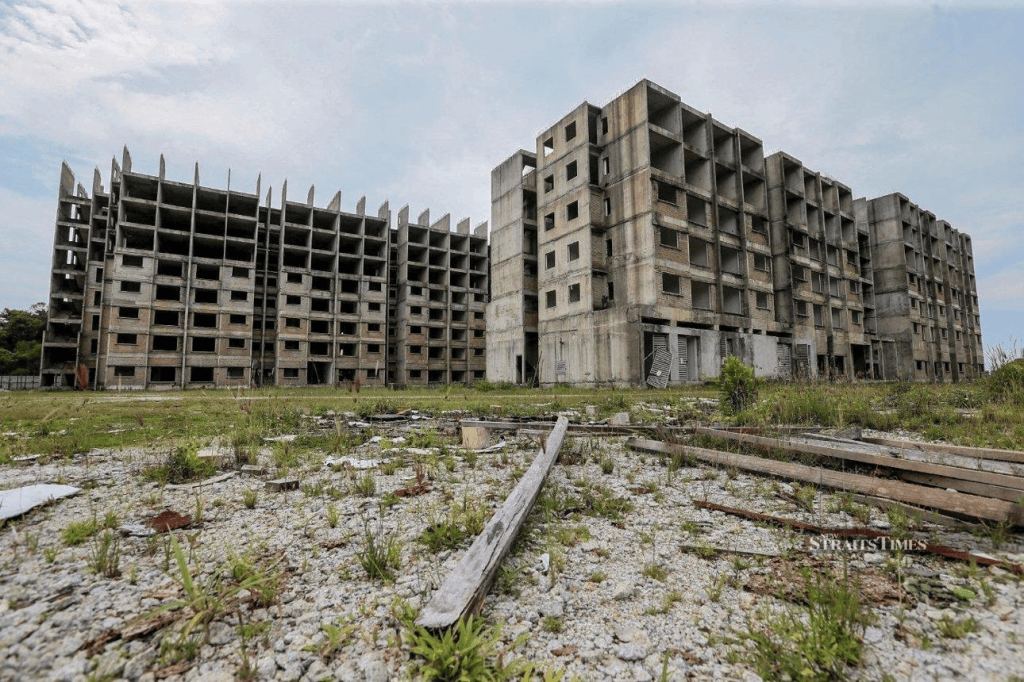
    What Happened

    Malaysia’s Housing and Local Government Ministry has called on established developers to step in as “white knights” to revive stalled and abandoned housing developments.

    According to the report, the ministry’s task force has helped revive 1,647 distressed projects worth RM153 billion, affecting almost 200,000 homebuyers.

    The government is also pursuing legal reforms involving developer accountability, strata management and residential tenancy. The Star

    Why It Matters

    For a buyer, buying property isn’t simply about:

    location + price + size.

    There is another question that often gets overlooked:

    Who is behind the project — and what happens if things go wrong?

    A delayed or abandoned project can create years of financial and emotional stress for buyers.

    Miichael’s Review

    This is one area where I think buyer education is particularly important.

    Before buying a new development, buyers should investigate the developer’s track record, project delivery history, financial structure, development partners and surrounding ecosystem.

    We often spend hours comparing unit sizes and discounts.

    But sometimes the most important due diligence happens before we even choose the unit.

    Source: The Star — Malaysia needs more white knights


    🌏 4. Australia: Housing Prices Fall for a Sixth Straight Month

    What Happened

    Australia’s housing market continued to weaken in September.

    Cotality’s national Home Value Index fell 1.1% in September, the sixth consecutive monthly decline.

    Values are now 5.2% below the March 2026 peak.

    Sydney fell 1.4% in September and is nearly 9% below its February peak, while Melbourne fell 0.7%.

    Transaction activity has also weakened, with sales over the latest three-month period down around 19% year-on-year, according to Reuters. Reuters

    The Reserve Bank of Australia has also raised its cash rate to 4.6%, a 15-year high, adding further pressure to borrowing capacity. Investing.com

    Why It Matters

    Australia provides an excellent real-world example of the relationship between:

    interest rates → borrowing capacity → buyer demand → transactions → prices.

    And importantly, the impact is not identical across every city.

    Miichael’s Review

    For Malaysian buyers and investors looking overseas, this is a market worth watching carefully.

    A falling market doesn’t automatically mean:

    “Everything is cheap.”

    It means the risk-reward equation is changing.

    For anyone considering an overseas property purchase, I’d be asking:

    Has the price fallen because the market is correcting — or because the fundamentals have deteriorated?

    Those are two very different things.

    Source: Reuters — Australian home prices fall for sixth straight month; Cotality — September Home Value Index


    🌏 5. Singapore: Valley Point to Become a New Mixed-Use Development

    What Happened

    Frasers Property and Mitsubishi Estate announced plans to redevelop Valley Point and Frasers Suites Singapore along River Valley Road.

    The planned mixed-use development will include:

    • 407 luxury residential units and sky villas
    • 184 serviced-residence units
    • dining
    • retail
    • lifestyle components

    The project is planned for launch in 2027, with completion targeted for 2031. The existing properties are expected to cease operations in March 2027. The Business Times

    Why It Matters

    This is a classic example of urban land optimisation.

    Instead of simply maintaining an ageing asset, the owners are looking at the highest and best use of a prime site.

    The redevelopment also combines residential, serviced residences, retail and lifestyle components rather than relying on one single use.

    Miichael’s Review

    This is something developers everywhere can learn from.

    A property isn’t necessarily valuable because of what it is today.

    Sometimes its greatest value comes from what it could become.

    But that requires looking beyond the building itself:

    land value + location + planning potential + demand + surrounding ecosystem.

    For buyers, this also highlights why understanding a property’s future development context can be just as important as studying the existing building.

    Source: The Business Times — Frasers Property and Mitsubishi Estate redevelopment; Frasers Property — official announcement


    👀 WORTH WATCHING

    Malaysia

    1. Residential affordability

    The combination of unsold stock, financing constraints and developer margins remains an important issue.

    2. Retail investment

    The KIP REIT acquisition shows that mature, income-producing retail assets remain relevant when occupancy and cash flow are strong.

    3. Distressed projects

    The government’s push for more private-sector participation could change the landscape for abandoned and stalled developments.

    🌏 International

    4. Australia

    Watch whether the correction continues into 2027 and whether lower transaction volumes eventually create broader economic effects.

    5. Singapore

    Watch how redevelopment and land optimisation reshape mature neighbourhoods.


    💡 MY TAKEAWAY

    This week’s five stories are actually connected by one common theme:

    Property value is about more than price.

    A shopping mall’s value can come from income and occupancy.

    A developer’s value can come from the quality of its pipeline and balance sheet.

    A residential project’s value includes delivery risk.

    A housing market’s direction is influenced by financing and affordability.

    And an older property can sometimes create greater value through redevelopment.

    So when someone asks me:

    “Is this property a good buy?”

    I don’t think the first question should be:

    “How much is it?”

    I’d rather start with:

    Who is buying it?

    Why are they buying it?

    What creates the demand?

    What could go wrong?

    And what happens if the market doesn’t behave as expected?

    That is where proper property due diligence begins.

    From the desk of

    Miichael Yeoh

    Property Strategist

  • WEEKLY PROPERTY ROUNDUP

    WEEKLY PROPERTY ROUNDUP

    Week in Review | 5–11 September 2026

    Malaysia Property • Global Insights • Better Decisions

    Hi everyone,

    This week’s stories remind us that property isn’t driven by headlines alone. A stronger market comes from healthy demand, smart capital, sustainable buildings and confidence in the wider economy.

    Here are the 5 developments I believe are most meaningful for buyers, investors and property professionals this week.

    🇲🇾 1. Malaysia’s Property Market Tops RM105 Billion

    Sky Meridien Residence @ Sentul East Renovated Condo For Sale RM950K | Malaysia Property and Real Estate

    What Happened?

    Malaysia recorded 187,320 property transactions worth RM105.12 billion during the first half of 2026.

    However, there is another number worth paying attention to: 33,094 completed residential units remain unsold, an increase of 8.6% from the previous period.

    Why It Matters

    A busy market does not mean every project is successful. The difference between transaction volume and sales absorption tells us buyers are becoming much more selective.

    Miichael’s Review

    When people ask whether the property market is good or bad, my answer is usually:

    “Which market are we talking about?”

    A healthy property decision begins with understanding demand, supply and affordability—not simply following price movements.

    Source: JPPH 1H 2026 Property Market Report.

    🇲🇾 2. A RM331 Million Office Deal Signals Confidence in KL Commercial Property

    Knight Frank

    What Happened?

    AmFIRST REIT is seeking unitholder approval to dispose of Menara AmBank in Kuala Lumpur for RM331 million. The transaction is one of the more significant commercial office deals announced this week.

    Why It Matters

    Commercial property often gives us an early indication of how institutional investors view the market. Capital recycling allows REITs to strengthen balance sheets and reposition their portfolios.

    Miichael’s Review

    Residential property usually receives the attention, but I always watch office and commercial transactions closely.

    Large institutional deals often tell us where long-term confidence is moving before the broader market notices.

    Source: The Star Business

    🇲🇾 3. Green Buildings May Soon Receive New Tax Incentives

    Eco-Friendly Buildings in Malaysia: Worth the Cost? | Rummah.my

    What Happened?

    The Housing Ministry has submitted proposals for new tax incentives to encourage greener building development ahead of Budget 2026. The initiative aims to accelerate sustainable construction and improve environmental performance across future projects

    Why It Matters

    Sustainability is gradually becoming a financial consideration, not just an environmental one. Incentives could influence developer decisions, construction costs and buyer demand over time.

    Miichael’s Review

    I believe future property value will increasingly include another question:

    “Is this building sustainable enough to remain competitive 20 years from now?”

    Green features may become part of long-term asset value—not simply a marketing brochure.

    Source: The Star, 5 September 2026.

    🌏 4. Australia’s Housing Sector Faces a Reality Check

    Housing

    What Happened?

    Australian housing developer Bathla stood down more than 200 employees as financial pressure continues affecting parts of the residential development sector. The story highlights the challenges facing developers despite ongoing housing shortages.

    Why It Matters

    Housing demand alone doesn’t guarantee developer profitability. Rising construction costs, financing pressure and project cash flow remain critical risks.

    Miichael’s Review

    This is an important reminder for investors:

    A strong housing market and a strong development business are not always the same thing.

    Always understand the developer’s financial strength—not just the project.

    Source: The Guardian Australia.

    🌏 5. Global Markets Are Watching Interest Rates Closely

    Benefit Street Partners

    What Happened?

    Global investors are closely watching upcoming US Federal Reserve decisions, while Malaysia has maintained its OPR at 2.75%, providing relative stability for domestic borrowers.

    Why It Matters

    Interest rates influence mortgage affordability, investment returns and foreign capital flows. Even when Bank Negara holds rates steady, global monetary policy still affects market sentiment.

    Miichael’s Review

    Rather than asking whether rates will rise or fall, buyers should ask:

    “Can I comfortably afford this property if rates stay higher for longer?”

    That is a much healthier way to evaluate risk.

    Source: WSJ & Bank Negara Malaysia.

    📊 Property Number of the Week

    Transactions

    187,320

    Properties transacted in 1H 2026

    Market Value

    RM105.1B

    Total transaction value nationwide

    Commercial Deal

    RM331M

    Proposed Menara AmBank disposal

    Policy Focus

    Green Incentives

    Potential boost for sustainable buildings

    👀 Worth Watching

    Over the coming weeks, I’ll be watching:

    • Budget 2026 housing and green-building incentives
    • More institutional commercial property transactions
    • Whether unsold residential stock begins to decline
    • Global interest-rate direction and its impact on mortgages

    💡 My Takeaway This Week

    This week isn’t about one spectacular property launch.

    It’s about confidence.

    Confidence from homebuyers. Confidence from institutional investors. Confidence in sustainable development. And confidence created by stable economic policy.

    As buyers, I believe we should always ask one question before making a decision:

    “Will this property still make sense 10 years from today?”

    That question often matters more than today’s promotional price.

    Miichael Yeoh

    PROPERTY STRATEGIST

    🌐 http://www.miichaelyeoh.com

  • WEEKLY PROPERTY ROUNDUP | Week in Review (29 August – 4 September 2026)

    WEEKLY PROPERTY ROUNDUP | Week in Review (29 August – 4 September 2026)

    Top 3 developments I believe every buyer and investor should know

    Good morning everyone,

    Every week, I try to answer one simple question:

    What really matters in Malaysia’s property market?

    The biggest lesson from the past week is this: property value is increasingly created by infrastructure, employment and the quality of the surrounding ecosystem—not just by the building itself.

    Here are the Top 3 developments I believe every buyer and investor should know.

    1. Malaysia’s Industrial Growth Continues to Drive Property Demand

    Malaysia's semiconductor industry development strategy

    What happened?

    Malaysia’s advanced manufacturing and semiconductor sectors continued attracting new investment, with Penang remaining one of the country’s strongest industrial growth regions. Industry reports show industrial investment remains concentrated in high-value manufacturing, electronics and supply-chain expansion.

    Why it matters

    Industrial growth doesn’t just create factories—it creates jobs, talent, housing demand, logistics, retail and commercial activity. Historically, areas experiencing sustained employment growth tend to enjoy healthier long-term property demand than areas driven purely by speculation.

    Miichael’s Review

    Many buyers ask me:

    “Which project will appreciate the most?”

    I think the better question is:

    “Where will people still be working five to ten years from now?”

    Follow employment before following property prices.

    Source: Industrial investment & manufacturing reports.

    2. Urban Regeneration Is Becoming the New Growth Story

    Malaysia Real Estate & Property in Seremban | Bandar Sri Sendayan

    What happened?

    Developers continue investing in mixed-use regeneration projects within mature townships rather than expanding endlessly into new suburbs. Projects like PJ Quarter demonstrate a growing focus on integrating residential, retail, public spaces and community facilities into established neighbourhoods.

    Source: EdgeProp

    Why it matters

    Today’s buyers increasingly value:

    • Walkability
    • Public transport
    • Healthcare & education
    • Lifestyle convenience
    • Community spaces

    These factors often contribute more to sustainable demand than simply having a prestigious address.

    Miichael’s Review

    A property’s postcode is important.

    But its ecosystem is even more valuable.

    That’s where long-term liveability and resale demand are created.

    Source: Developer announcement & urban regeneration reports.

    3. Digital Infrastructure Is Quietly Changing Land Value

    支持AI算力部署!万国数据马来西亚努沙再也科技园数据中心园区(二期)正式投运 - 万国数据服务有限公司

    What happened?

    Malaysia’s digital infrastructure momentum continues as developers and institutional investors increasingly recognise the strategic value of land supported by power capacity, fibre connectivity and industrial infrastructure. Data centres remain one of the strongest emerging land-demand drivers across several Malaysian states.

    Why it matters

    The next property growth story may not begin with another condominium launch.

    It may begin with:

    • Power infrastructure
    • Data connectivity
    • AI & cloud investment
    • Industrial ecosystem
    • Business expansion

    Miichael’s Review

    The opportunity isn’t owning a data centre.

    The opportunity is identifying the surrounding locations that benefit from the jobs, businesses and services that follow.

    That’s where long-term property value is often created.

    Source: Digital infrastructure & property investment reports.

    📊 Property Snapshot This Week

    Industrial Investment

    Strong

    Advanced manufacturing continues supporting property demand.

    Growth Focus

    Mature Townships

    Urban regeneration is attracting developer investment.

    Emerging Driver

    Data Centres

    Power & connectivity are becoming strategic land assets.

    Buyer Trend

    More Selective

    Buyers are placing greater emphasis on long-term value.

    👀 Worth Watching

    Over the coming weeks, I’ll be watching four areas closely:

    • Expansion of Malaysia’s semiconductor ecosystem
    • New mixed-use regeneration projects
    • Data-centre related land acquisitions
    • Locations where employment growth translates into genuine housing demand

    These will likely become the next wave of meaningful property stories.

    🎯 My Takeaway This Week

    Three different stories.

    Industrial growth. Urban regeneration. Digital infrastructure.

    But they all point to one conclusion:

    Don’t evaluate the property in isolation. Evaluate the ecosystem that supports it.

    Before buying, I would always ask:

    • Where will the jobs come from?
    • Is infrastructure improving?
    • Will people genuinely want to live or work here?
    • What creates demand five years from today?

    That’s where better property decisions begin.

    Miichael Yeoh

    PROPERTY STRATEGIST

    🌐 http://www.miichaelyeoh.com

    Thank you for subscribing!

    Please check your email to confirming your subscription.