
Tag: business

  • WEEKLY PROPERTY ROUNDUP

    WEEKLY PROPERTY ROUNDUP

    7–13 November 2026

    MALAYSIA · PROPERTY · GLOBAL MARKETS

    This week’s edition has an interesting mix of news. Malaysia’s latest property-market figures show that transaction activity is holding up, but the gap between new housing supply and actual sales deserves attention. We also have a significant manufacturing investment in Penang and a new industrial infrastructure initiative in Negeri Sembilan.

    Internationally, India is attracting substantial institutional property investment, while the UAE continues to report strong transaction and investment growth.

    Malaysia – 3 stories

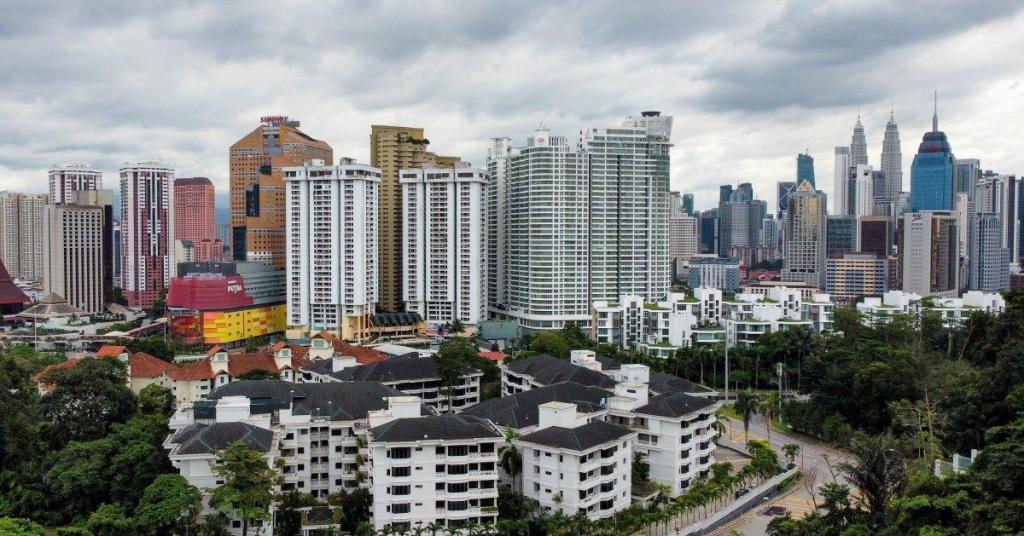
    1. Malaysia’s property transactions grow, but unsold homes remain a concern
    What Happened

    The Valuation and Property Services Department (JPPH) released its Q3 2026 property-market figures on 13 November.

    The headline numbers:

    • Total property transactions reached 108,990, up 0.7% year-on-year.
    • Total transaction value reached RM60.31 billion.
    • The Malaysian House Price Index increased 0.5% to 235.4 points.
    • Average house price stood at RM507,809.
    • New residential launches increased 70.3% to 19,642 units.
    • Sales performance for those new launches was 7.1%.
    • Completed unsold residential properties reached 33,598 units, worth RM19.55 billion.
    • Completed unsold serviced apartments totalled 23,568 units, worth RM20.13 billion.

    The residential sector accounted for 61% of total property transactions. Shopping-complex occupancy stood at 76.6%, while purpose-built office occupancy reached 78.8%. NAPIC+2

    Why It Matters

    There are two sides to this market.

    On one hand, transaction activity remains positive and the average house price index continues to record growth.

    On the other hand, the sharp increase in new launches, coupled with low sales performance and rising completed unsold stock, highlights a possible mismatch between supply and genuine buyer demand.

    This is particularly important because national figures can hide significant differences between individual states and locations.

    Miichael’s Review

    This is probably the most important story of the week.

    I would not interpret the 70.3% increase in new launches as an indication that the market is booming. We need to look at the sales performance alongside the launch numbers.

    A developer can launch thousands of units, but the real question is how many buyers are financially capable of purchasing them.

    I am also interested in the difference between national and local market performance. For example, preliminary figures reported by EdgeProp showed residential transactions in Penang falling 11.8% year-on-year, while Kuala Lumpur, Selangor and Johor recorded increases.

    For developers, this reinforces the importance of understanding local demand before deciding what to build.

    For buyers, it is a reminder not to confuse a new launch or an attractive marketing campaign with a sound property decision.

    Source: JPPH – Q3 2026 Property Market Release

    2. Eppendorf invests RM180.9 million in its first Southeast Asian manufacturing facility in Penang

    What Happened

    German life-sciences company Eppendorf broke ground on its first Southeast Asian manufacturing facility at Bandar Cassia Technology Park in Penang on 12 November.

    Key details:

    • Investment: approximately €40 million (RM180.92 million).
    • Site area: approximately 11.98 acres.
    • Planned built-up area: 172,223 sq ft.
    • Expected workforce: approximately 130 employees by the end of 2029.
    • Building completion and equipment installation targeted by the end of 2027.
    • Production expected to begin gradually in 2028.

    The facility will manufacture selected centrifuges and laboratory instruments for global customers. It will also include production, warehousing, offices, quality-related functions and logistics.

    The company is targeting LEED Gold certification, with planned solar panels, energy-efficient building systems and water-retention features. EdgeProp

    Why It Matters

    This is a meaningful investment for Penang.

    The project strengthens Penang’s position not only as an electronics and semiconductor manufacturing location, but also as a destination for life-sciences and laboratory equipment manufacturing.

    Beyond the direct investment, it may create opportunities for local suppliers, logistics operators, skilled workers and supporting businesses.

    Industrial investments of this nature can also generate demand for nearby commercial property, housing and supporting infrastructure.

    Miichael’s Review

    I particularly like this development because it represents real economic activity rather than just an announcement of investment intention.

    The project has moved into the construction stage, with a clear production timeline and an expected workforce.

    When evaluating an industrial property location, I always look beyond the factory itself.

    We need to consider the surrounding ecosystem: employment opportunities, suppliers, logistics, accessibility, utilities and the availability of supporting amenities.

    These are the factors that can help create sustainable demand for properties in the surrounding area.

    For Penang, this is certainly encouraging news.

    Source: EdgeProp – Eppendorf breaks ground on €40m Penang plant

    3. EcoWorld and Negeri Sembilan explore alternative water supply for industrial parks

    What Happened

    Eco World Development Group and NS Corporation signed a one-year memorandum of understanding on 13 November to explore alternative industrial water supply solutions.

    The collaboration covers Eco Business Park VII and potential future EcoWorld industrial developments in Negeri Sembilan.

    The parties will conduct feasibility studies for a proposed desalination water treatment plant to provide an alternative and supplementary source of industrial water.

    An interesting figure: EcoWorld reported that Eco Business Park VII had recorded approximately RM2 billion in sales in less than a year since its launch in November 2025.

    Negeri Sembilan recorded RM41.5 billion in approved investments between 2023 and June 2026, comprising RM24.2 billion in domestic direct investment and RM17.3 billion in foreign direct investment. StarProperty

    Why It Matters

    Industrial property development requires more than land and buildings.

    Reliable utilities, especially water and electricity, are critical for attracting manufacturers, technology companies and data-centre operators.

    The proposed water initiative recognises that infrastructure capacity needs to grow alongside industrial investment.

    However, this is still a feasibility initiative under an MoU, not a confirmed desalination plant. Its eventual impact will depend on the study findings, investment requirements and implementation.

    Miichael’s Review

    This is an important reminder that property development is closely linked to infrastructure planning.

    When developers market industrial parks, investors naturally look at land prices, location, accessibility and incentives.

    But experienced industrial investors will also ask about water availability, electricity capacity, road connectivity and long-term operating costs.

    These factors can influence whether a company chooses to establish operations in a particular location.

    I believe industrial property opportunities should be assessed as part of a wider economic ecosystem, rather than simply as land or factory investments.

    Source: StarProperty – EcoWorld and NS Corp to explore industrial park water supply solutions

    International – 2 stories from 2 countries

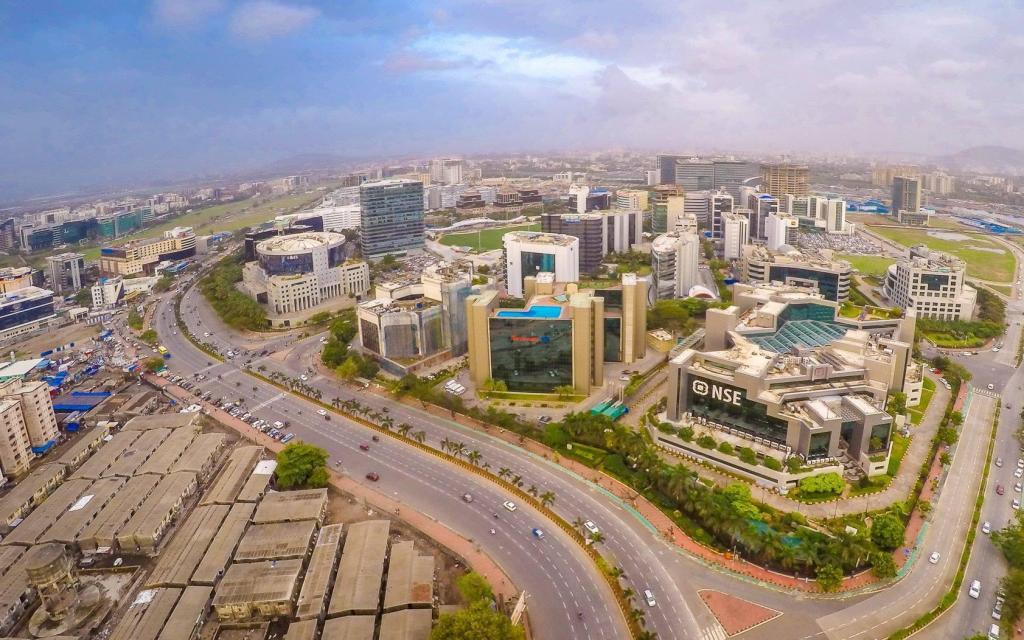
    4. India overtakes China in cross-border real estate investment
    What Happened

    India attracted approximately US$5.5 billion in cross-border real estate investment during the first nine months of 2026, overtaking mainland China, which attracted approximately US$3.7 billion.

    The figures were reported by Moneycontrol, citing Savills’ Asia-Pacific capital markets research.

    Other highlights include:

    • Data-centre investment in India reached US$3.9 billion.
    • This was nearly twice the investment in the office segment.
    • Grade A office yields were estimated at 7.75%–8%.
    • Office rentals were increasing by approximately 7%–8% annually.
    • India’s overall real estate transaction volume reached US$14.3 billion over the past four quarters, up 13%.

    Across Asia-Pacific, real estate investment volumes approached US$200 billion in the first nine months of 2026, representing 27% year-on-year growth. Moneycontrol+1

    Why It Matters

    India’s growing appeal reflects the combination of urbanisation, occupier demand, rental growth and demand for digital infrastructure.

    The data-centre sector is particularly interesting because it demonstrates how changes in technology and business activity can create demand for new categories of real estate.

    This is also a reminder that international investors are not necessarily looking for residential properties alone. Commercial offices, industrial facilities, development land and data centres are all competing for investment capital.

    Miichael’s Review

    What I find interesting is the way investment opportunities are evolving.

    Traditional property investment categories remain important, but technology and changing business requirements are creating new demand for specialised real estate.

    For investors, this means we need to understand the economic activity driving demand behind a property.

    A data centre, for example, is not simply an industrial building. Its viability depends on electricity, connectivity, cooling infrastructure, location and the requirements of its operators.

    The bigger lesson is that property investment opportunities often follow economic and technological changes.

    Source: Moneycontrol – India overtakes China as global real estate investors pump US$5.5 billion into property market

    5. UAE property market records strong growth, with Abu Dhabi transactions up 76.1%

    What Happened

    The Emirates News Agency reported strong property-market performance across the UAE on 13 November.

    Abu Dhabi recorded particularly impressive figures during the first nine months of 2026:

    • Total property transactions reached AED171.26 billion.
    • Transaction value increased 76.1% year-on-year.
    • Transaction volume increased 32.8%.
    • Total transactions reached 38,483.
    • Foreign investment in investment zones increased 131% to AED86.11 billion.
    • Sales transactions reached AED119.33 billion.

    Meanwhile, Dubai recorded approximately AED625 billion in real estate transactions during the first ten months of 2026, involving 181,866 transactions.

    Dubai also completed 104 real estate projects in the first half of 2026, with a combined investment value exceeding AED111 billion. Emirates News Agency

    Why It Matters

    The UAE continues to demonstrate its ability to attract both domestic and international property investment.

    The figures from Abu Dhabi are particularly notable because they show growth in both transaction value and transaction volume.

    This suggests that the increase is not simply the result of a few high-value transactions.

    The expansion of development activity also indicates continued confidence in the market, although investors should still consider supply, pricing, financing and regulatory conditions.

    Miichael’s Review

    The UAE is an interesting market to watch because of its ability to attract international capital.

    However, I would caution against comparing markets based only on transaction values or headline growth rates.

    Every market has different tax structures, ownership regulations, financing arrangements, population growth and supply conditions.

    For anyone considering overseas property investment, understanding the local market is essential.

    A strong market does not automatically mean every property is a good investment.

    We still need to assess the location, developer, pricing, rental demand, ownership costs and exit strategy.

    Source: Emirates News Agency – UAE real estate sector maintains strong momentum, growing global confidence

    Worth Watching

    Three developments deserve further attention:

    1. Malaysia’s proposed integrated housing data repository

    KPKT is developing a shared housing data repository to help authorities match housing supply with local demand, affordability, household income and unsold stock. The ministry is also open to exploring rent-to-own partnerships involving completed unsold homes. This could become an important policy development if implemented effectively. EdgeProp

    2. Malaysia’s industrial and data-centre infrastructure

    The government is considering tighter data-centre oversight, including disclosures on operators, electricity consumption and imported equipment. The latest report cited 117 approved projects, of which 55 had begun operating. This makes infrastructure planning an increasingly important part of industrial property development. EdgeProp

    3. ECRL commercial operations

    Malaysia Rail Link has set starting fares for ECRL services, with commercial operations targeted for mid-December 2026. Once operational, the railway could influence connectivity, business activity and property demand along its corridor. Actual property benefits will depend on station accessibility and surrounding economic activity. EdgeProp

    My Takeaway This Week

    This week’s news reinforces one important principle:

    Property development must follow real demand, not assumptions about demand.

    Malaysia’s latest market figures show that transaction activity is still growing, but unsold stock and low launch sales performance deserve attention.

    Penang’s latest manufacturing investment demonstrates how employment and industrial activity can support wider property demand. Meanwhile, EcoWorld’s water-infrastructure initiative highlights the importance of utilities in attracting industrial investors.

    Internationally, India and the UAE show how economic growth, institutional investment and changing business requirements can create opportunities across different property sectors.

    For buyers, investors and developers, the questions remain the same:

    • Is there genuine demand?
    • Is the location supported by economic activity?
    • Is the property priced appropriately?
    • Can it generate sustainable income or long-term value?
    • Is there a realistic exit strategy?

    A property decision should never be based on excitement alone. It should be based on research, assessment and understanding.

    Discover Better. Decide Smarter.

    Miichael Yeoh

    Property Strategist

    Disclaimer

    This article is intended for general information and educational purposes only. It does not constitute financial, investment, legal or property purchasing advice. Readers should conduct their own due diligence and seek advice from qualified professionals before making any property-related decisions.

  • WEEKLY PROPERTY ROUNDUP

    WEEKLY PROPERTY ROUNDUP

    Week in Review | 12–18 September 2026

    Malaysia • Regional Property • Global Insights

    The property market is bigger than house prices. Follow the money, the people and the assets.


    🇲🇾 1. KIP REIT: Retail Property Is Being Repositioned, Not Abandoned

    https://images.openai.com/static-rsc-4/FE3MJchSQotX9YuPbZPIptH2f3klwx57hOtiag2TrNWJqNoH_DJyzrHa7K8Vf0R5R59-cWO0p0wq2ag0mRP_tqj2NvEL8yA4sLbNgXWMvdynUaBGhfgMFI9IrOCiEMIe14OC3bExGI0mfAT00kd2GuHIlQ46ZNiGwPp00pgOSI0UV6qfJd8-Vrq6nlCryRjt?purpose=fullsize

    What Happened

    KIP REIT plans asset enhancement initiatives at three malls — KIPMall Masai, KIPMall Kota Warisan and AEON Mall Kinta City.

    The strategy is aimed at improving operational efficiency and supporting longer-term rental growth.

    There is another interesting move: KIP REIT is targeting completion of its RM435 million acquisition of Setapak Central Mall, which would be its largest acquisition to date and take assets under management to about RM2.2 billion.

    Why It Matters

    Retail property is often written off as “old economy”.

    But successful malls are increasingly becoming community infrastructure — food, services, groceries, healthcare, entertainment and daily necessities.

    The question isn’t simply:

    “Is shopping mall demand declining?”

    It should be:

    “Can the asset remain relevant to its surrounding population?”

    Miichael’s Review

    This is something I find particularly interesting.

    Property owners don’t always need to build something new to create value.

    Sometimes, repositioning an existing asset can be the smarter strategy.

    Source: EdgeProp, 18 September 2026.


    🇲🇾 2. RM475 Million Sukuk: Affordable Housing Needs Capital Too

    https://images.openai.com/static-rsc-4/qZnwyXfXtbssVeM0gJ0UyMNoQ_HOxzgGPPQ7VJoTwrJYrEoEtoVE5gdnAwYgBxswD2HlM1X_3PortDlviTMSly0x0BG3yPCgk_eCc2onB607e5S7XRRhYTpPkA6NO631rPH7rlBvpvcO_MY3VPoVQFihdmjB9NJu05BHNuIg-s-3xMn04WrPYYRufXekwqeN?purpose=fullsize

    What Happened

    Lagenda Properties has completed its first RM475 million sukuk issuance under a larger RM1.5 billion Sukuk Wakalah programme.

    The proceeds will be used for acquisitions, working capital and affordable housing developments.

    Why It Matters

    Affordable housing is sometimes discussed only from the buyer affordability perspective.

    But there is another side:

    How do developers finance affordable housing profitably and sustainably?

    If construction costs, land costs and financing costs continue rising, access to capital becomes critical.

    Miichael’s Review

    I like this story because it reminds us that property is not just about selling houses.

    There is an entire financial ecosystem behind every development:

    Land → Financing → Construction → Sales → Delivery → Exit

    Understanding that chain helps us understand why some developers can keep expanding while others struggle.

    Source: EdgeProp, 18 September 2026.


    🇲🇾 3. Glomac Returns to Profit — A Reminder to Watch Developer Health

    https://images.openai.com/static-rsc-4/hnQvi8sM8duuJGU7EE09eEA36eU0yr074Tx8dEJcKR2F7ILr4VKSjElTjjxtlcn3QJQdPXunhBy9_mroevHS0x5o-iUlk9xfvSJUPvTiezwh2azShtwakbqaJPSEYhlQSMnPyHSZwi8jbeYzgtp2Pd2xVk4516ALCQ8bw_BUs3zAVSohSS6Gl3imZ6u4dLlt?purpose=fullsize

    What Happened

    Glomac returned to the black in its first quarter of FY2027.

    Net profit attributable to owners reached RM7.6 million, compared with a RM1.42 million loss a year earlier.

    Revenue jumped 163% to RM68.53 million, with property-development revenue more than tripling to RM61.12 million.

    More encouragingly, borrowings fell from RM237.0 million at end-April to RM224.4 million at end-July, while cash and short-term placements stood at RM249.5 million.

    Why It Matters

    When considering a new development, buyers often focus on:

    • Location
    • Price
    • Facilities
    • Discounts

    But one question is frequently overlooked:

    Who is the developer and how financially healthy are they?

    Miichael’s Review

    A property doesn’t exist in isolation.

    The developer’s financial strength can influence construction progress, delivery, future phases and ultimately buyer confidence.

    For me, developer due diligence should be part of property due diligence.

    Source: EdgeProp, 18 September 2026.

    Click to register for the event : Before You Buy The Next Property

    🌏 4. IOI Properties Completes RM7.95 Billion Singapore Acquisition

    https://images.openai.com/static-rsc-4/7j-qiqH5s-9fqzlWqqPjPu0gubzytRjTSa-z9FzFkzCY4JuXy0-_8k-YRET5NwzKFZN6ihhpa-hFs75TrZ0n0XmFNJRnsbK0aBT9ZmjBooxH-bObKpUK7VBqOT-zLJaczPypqBxU-ZY4TlMgtIESgNalyPHFs6aHOVdFgkBfSYiKWiNQwf0Tt04iqT_ynaPS?purpose=fullsize

    What Happened

    IOI Properties Group has completed its acquisition of the company owning Asia Square Tower 2 in Singapore.

    The total cash outlay was approximately S$2.47 billion — around RM7.95 billion.

    The 46-storey integrated development at Marina View includes Grade A offices, retail space and parking, with approximately 773,000 sq ft of net lettable area.

    Why It Matters

    This is much bigger than a Malaysian developer buying an overseas building.

    It demonstrates how Malaysian property groups are increasingly looking beyond Malaysia for income-producing assets and geographical diversification.

    Miichael’s Review

    I find this particularly relevant to Malaysian investors.

    The property industry is becoming increasingly global.

    A Malaysian developer today may have:

    Residential → Industrial → Retail → Office → REIT → Overseas Assets

    That diversification can create resilience — but only if the company understands the market it is entering.

    And there’s another lesson:

    Sometimes the best property opportunity isn’t a new development. It is an existing income-producing asset.

    Source: EdgeProp, 18 September 2026.


    🌏 5. Australia: Housing Values Fall as Higher Rates Bite

    https://images.openai.com/static-rsc-4/tVw9lLv91mbn3JLpF70gDBGvznn3NWOzDDSpHHWno1XnMJhtSsSSmf-BQol8V87QgZ7WSIZ_8xGAvFRUz-ycM2WgAIL7VSxDWKCgGczsTze7JQUh5mVe392M6oH6yBjG9Xz8_rGoRcdZf95cyiekidEuP5Q0jq0UdUbz2PjmSs0xGj_u8oooZcQj9QSwrd8d?purpose=fullsize

    What Happened

    Australia’s housing market is showing signs of meaningful weakness.

    The latest Australian Bureau of Statistics data showed the total value of residential dwellings fell A$34.1 billion, or 0.3%, in the June quarter to A$12.69 trillion.

    The mean dwelling price fell 0.7% to A$1.10 million.

    New South Wales saw the mean dwelling price fall 2.4%, while Victoria fell 2.1%.

    And this week, the Reserve Bank of Australia’s governor warned that inflation risks are returning, keeping the possibility of further interest-rate tightening alive.

    Why It Matters

    This is a useful reminder for Malaysian property investors who look overseas.

    A country can have:

    Strong population + housing shortage + high property prices

    …and still experience falling values when financing conditions change.

    Miichael’s Review

    This is exactly why I keep saying:

    Property is a long-term financial commitment, not just a location decision.

    Interest rates can change the affordability equation very quickly.

    Source: Australian Bureau of Statistics and Reuters, September 2026.


    📊 PROPERTY NUMBER OF THE WEEK

    RM7.95 BILLION

    The approximate cash outlay by IOI Properties for Asia Square Tower 2 in Singapore.

    That’s not just a property transaction.

    It’s a statement about where Malaysian property companies are looking for growth.


    👀 WORTH WATCHING

    1. Malaysian REITs

    Will more REITs reposition existing retail and commercial assets instead of simply acquiring new properties?

    2. Affordable Housing

    Can developers continue delivering affordable homes while land, construction and financing costs remain elevated?

    3. Johor

    Land banking and development activity around the Johor-Singapore economic corridor remain worth watching.

    4. Interest Rates

    Australia’s renewed inflation concerns show how quickly monetary policy can change property-market sentiment.

    5. Malaysian Developers Going Overseas

    Will more Malaysian developers follow IOI Properties into Singapore and other regional markets?


    💡 MIICHAEL’S TAKEAWAY THIS WEEK

    This week’s five stories are deliberately very different.

    And that’s exactly what makes the property market interesting.

    We have:

    Retail repositioning.
    Affordable housing finance.
    Developer financial health.
    A RM7.95 billion overseas acquisition.
    And a housing market reacting to interest rates.

    Put them together and one thing becomes clear:

    There is no single “property market”.

    Different property sectors behave differently.

    Different states behave differently.

    Different countries behave differently.

    And different investors have different objectives.

    So rather than asking:

    “Is property going up or down?”

    Perhaps the better question is:

    “Which property, in which location, for which purpose, under which economic conditions?”

    That’s where better property decisions begin.

    Miichael Yeoh

    Property Strategist

  • LHDN Just Released the 2025 Tax Relief List

    LHDN Just Released the 2025 Tax Relief List

    LHDN Just Released the 2025 Tax Relief List

    Here’s What You Can Claim Before the Year Ends

    LHDN has officially released the 2025 Income Tax Relief List, and this is one update every Malaysian taxpayer should pay attention to — especially employees, business owners, and property investors.

    Why?
    Because tax reliefs are legal ways to reduce your tax payable, yet many Malaysians either under-claim or miss them entirely due to poor planning or last-minute filing.

    Let’s break down what this means and how you can optimise your tax position before the year ends.


    What Is the LHDN Tax Relief List?

    The LHDN Tax Relief List outlines approved expenses that taxpayers can deduct from their chargeable income when filing their annual income tax return.

    Simply put:
    👉 The more legitimate reliefs you claim, the less tax you pay — legally.

    This list is updated periodically to reflect:

    • Rising cost of living
    • Education and healthcare needs
    • Retirement and family responsibilities
    • Digital and lifestyle expenses

    Key Tax Reliefs Malaysians Can Claim in 2025

    Below are some of the most commonly used — yet often under-claimed — tax reliefs for YA 2025.


    1. Individual & Dependent Relief

    • Individual relief: RM9,000
    • Spouse (no income): RM4,000
    • Child relief: up to RM8,000 per child (higher for education level)

    👉 Ensure your spouse and children details are properly declared.


    2. Lifestyle Expenses (Up to RM2,500)

    This remains one of the most popular reliefs, covering:

    • Books, journals, magazines
    • Sports equipment
    • Computer, smartphone, tablet
    • Internet subscription

    ⚠ Keep receipts — LHDN may request proof.


    3. Medical Expenses (Self, Spouse & Parents)

    You can claim medical expenses for:

    • Serious diseases
    • Medical check-ups
    • Dental treatment
    • Special needs and disabilities

    Claims can go up to RM8,000, depending on category.


    4. EPF, Insurance & Retirement Planning

    One of the most powerful tax-saving tools:

    • EPF contributions: up to RM4,000
    • Life insurance: up to RM3,000
    • PRS contributions: additional relief available

    👉 Smart retirement planning = lower tax + future security.


    5. Education & Skill Development

    You may claim:

    • Self-education fees (recognised courses)
    • Professional certifications
    • Postgraduate studies

    This is especially relevant for professionals and business owners upgrading their skills.


    6. Housing-Related Reliefs (If Applicable)

    Depending on eligibility:

    • Housing loan interest relief (subject to conditions)
    • First-time homebuyer incentives (if applicable)

    ⚠ These are often misunderstood — get proper advice before claiming.


    Common Mistakes Taxpayers Make

    From my experience, many taxpayers:

    • Rush to file without reviewing reliefs
    • Lose receipts and documentation
    • Assume certain expenses are “not claimable”
    • Follow advice from unverified online sources
    • Claim incorrectly and risk penalties later

    Remember:
    ❌ Under-claiming = paying more tax than necessary
    ❌ Wrong claiming = penalties and audit risk


    What You Should Do Before Year End

    Here’s a simple checklist:

    ✔ Review the 2025 relief list early
    ✔ Plan major expenses before 31 December
    ✔ Organise receipts digitally
    ✔ Review EPF, insurance, and PRS contributions
    ✔ Seek advice if you have rental or business income

    Tax planning is not done in April — it’s done before December ends.


    Final Thoughts from Miichael

    Tax reliefs are not loopholes — they are government-approved incentives meant to ease financial burden.

    Those who benefit most are not the highest earners —
    but those who plan early and claim correctly.

    If you’re unsure what you can claim, especially as a property investor, freelancer, or business owner, get clarity before filing.

    From the desk of

    Miichael Yeoh

  • Exemption and Timeline Changes for E-Invoicing in Malaysia

    Exemption and Timeline Changes for E-Invoicing in Malaysia

    Subscribe to continue reading

    Subscribe to get access to the rest of this post and other subscriber-only content.