Category: penang

  • Malaysia Budget 2027: What Property Buyers, Investors and Developers Need to Know

    Malaysia Budget 2027: What Property Buyers, Investors and Developers Need to Know

    By Miichael Yeoh | Property Discovery System(PDS)

    Malaysia’s Budget 2027 has introduced several measures that could influence the country’s property market, from first-home ownership and housing financing to the rehabilitation of abandoned housing projects.

    But what do these announcements actually mean for Malaysians considering a property purchase?

    A stamp duty exemption may reduce the upfront cost of buying a home. A housing loan guarantee may help certain buyers access financing. Public housing and infrastructure investments may create opportunities in selected locations.

    Yet none of these measures automatically makes a property affordable, a development attractive or an investment profitable.

    For homebuyers, investors and developers, the more important question is how these policies affect real property decisions.

    Here is my assessment of the key property-related measures in Malaysia Budget 2027 and what they could mean for the market, including Penang.

    1. First-home buyers: Stamp duty relief expands up to RM750,000
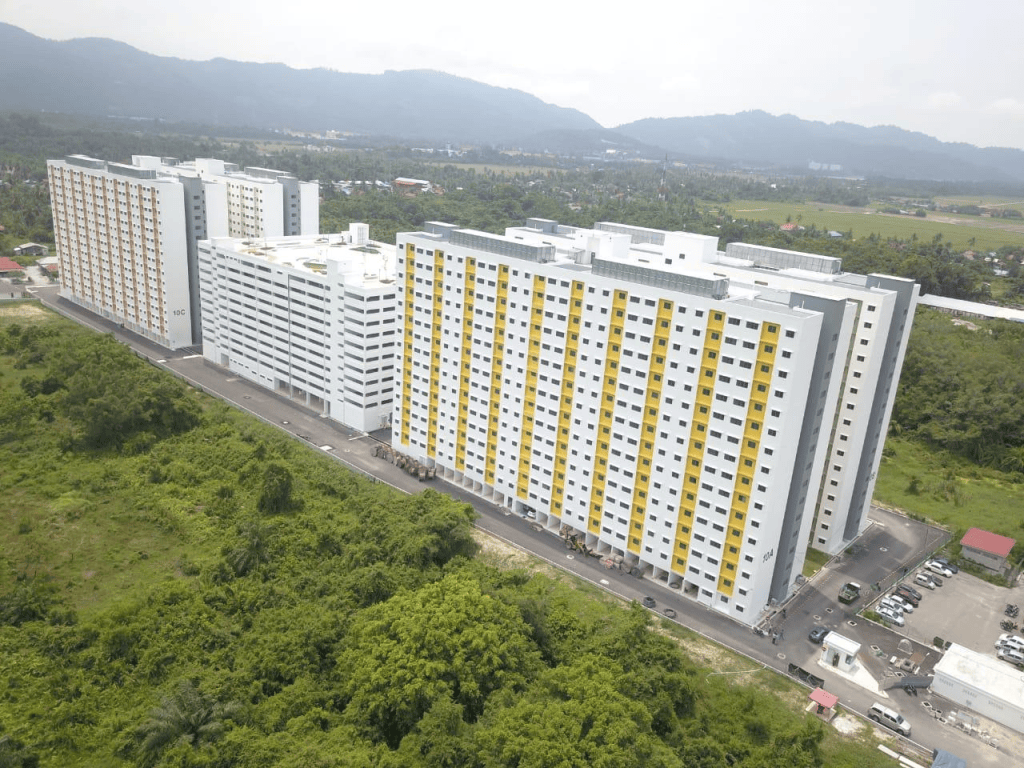
    One of the most significant property announcements in Budget 2027 is the proposed expansion of stamp duty exemptions for first-home purchases.

    According to the Budget speech delivered by Prime Minister and Finance Minister Datuk Seri Anwar Ibrahim on 9 October 2026, the proposed relief will apply to sale and purchase agreements executed from 1 January 2027 to 31 December 2030.

    The proposed structure is:

    • First homes priced up to RM500,000: Full stamp duty exemption on the instrument of transfer and housing loan agreement.
    • First homes priced above RM500,000 and up to RM750,000: Full exemption on the first RM500,000, with a 50% exemption on the remaining amount.

    The proposal is intended to reduce the upfront costs of purchasing a first home.

    Source: Prime Minister’s Office — Budget 2027 speech

    What does this mean for homebuyers?

    For eligible buyers, lower stamp duty can reduce the cash required at the point of purchase.

    The expanded price range is also relevant to buyers who have been looking at homes above RM500,000 but below RM750,000. However, the actual savings will depend on the final implementation rules, the transaction value and the applicable loan terms.

    Buyers should also distinguish between a reduction in transaction costs and an improvement in long-term affordability.

    A home that qualifies for stamp duty relief may still be financially unsuitable if the monthly instalment, maintenance charges, insurance and other commitments stretch the household budget.

    My view: Treat stamp duty relief as a financial advantage, not the main reason to buy a property.

    2. RM20 billion in housing financing guarantees for first-time buyers

    Budget 2027 also provides for up to RM20 billion in housing financing guarantees through the Housing Credit Guarantee Scheme, known as SJKP.

    The scheme is expected to assist approximately 80,000 first-time homebuyers, with particular attention to self-employed individuals and people without fixed monthly incomes.

    This is important because not every prospective buyer has a conventional salary structure.

    Business owners, freelancers and other self-employed individuals may have sufficient earning capacity but face difficulties meeting standard income-documentation requirements.

    SJKP is intended to improve access to housing financing for eligible applicants.

    Source: BERNAMA — Budget 2027 housing financing guarantees

    Does a housing guarantee mean everyone can obtain a loan?

    No. A guarantee does not automatically mean loan approval.

    Applicants must still meet the scheme’s eligibility conditions and the relevant lender’s assessment requirements. Buyers should confirm the applicable financing limits, documentation requirements and repayment obligations before committing to a purchase.

    The key consideration is not simply whether financing is available, but whether the buyer can comfortably sustain the repayments.

    My view: Better financing access is useful when it connects eligible buyers with homes they can genuinely afford. It becomes risky if buyers interpret easier access to financing as a reason to borrow beyond their means.

    3. Can Budget 2027 help revive abandoned housing projects?

    Another significant proposal is the full stamp duty exemption for qualifying transactions involving the rehabilitation of abandoned housing projects.

    The proposed relief covers loan agreements and instruments of transfer executed by contractors or developers rescuing abandoned projects, as well as by the original purchasers involved in those projects.

    The proposed effective period is 1 January 2027 to 31 December 2030.

    The measure forms part of the government’s stated ambition to achieve zero abandoned housing projects by 2030.

    Source: Prime Minister’s Office — Budget 2027 speech

    Will this solve the abandoned housing problem?

    Stamp duty relief can reduce transaction costs, but reviving an abandoned project is more complicated than reducing taxes.

    A successful rescue may depend on:

    • Whether the project is financially viable.
    • Whether a capable rescue developer can be appointed.
    • Whether land, financing and legal issues can be resolved.
    • Whether construction can be completed within a realistic timeframe.
    • Whether original purchasers can ultimately receive their homes.

    For affected buyers, the priority remains understanding the legal and financial status of the project and the conditions under which completion can proceed.

    My view: The incentive is a useful part of the solution, but actual project rehabilitation and delivery will be the real test.

    4. Nearly RM1 billion for housing programmes

    Budget 2027 provides nearly RM1 billion for programmes including Rumah Mesra Rakyat and Program Residensi Rakyat.

    Four new housing projects are identified in Kulai, Johor; Nilai, Negeri Sembilan; Paya Rumput, Melaka; and Pertang Valley, Terengganu.

    The Budget also identifies Bandar MADANI Bukit Jalil as a residential development with supporting amenities, including a vertical school.

    These initiatives reflect the continuing role of government-supported housing in addressing housing needs.

    Source: Prime Minister’s Office — Budget 2027 speech

    For buyers, however, the announcement of a housing programme is only the beginning.

    Eligibility, location, unit pricing, delivery schedules and access to public amenities all affect whether a particular development meets a household’s needs.

    Affordable housing should not be assessed by price alone. Accessibility to employment, transport, schools and essential services also matters.

    5. What could Budget 2027 mean for Penang property?
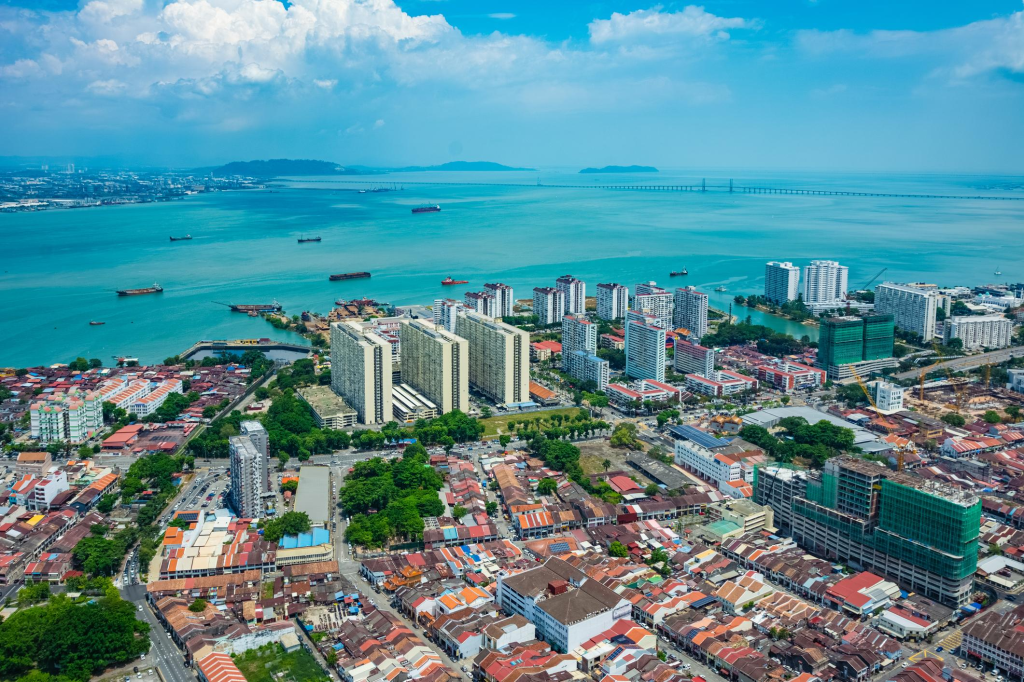
    Penang’s property market has its own economic drivers. Its manufacturing base, semiconductor ecosystem, employment opportunities, infrastructure and limited availability of certain types of land all influence property demand.

    Budget 2027 includes a RM100 million Strategic Investment Fund involving Khazanah and InvestPenang to support early-stage semiconductor and advanced manufacturing companies.

    The Budget also identifies transport-related infrastructure investment involving roads in port areas and airports, including Penang International Airport.

    These announcements could have indirect implications for property demand if they translate into business expansion, job creation and improved connectivity.

    Source: Prime Minister’s Office — Budget 2027 speech

    Which property segments could benefit?

    Industrial and logistics property

    Business expansion may create demand for suitable industrial facilities, warehouses and supporting commercial space. Actual demand will depend on investment commitments, company requirements and available supply.

    Residential property near employment centres

    If industrial investment generates additional jobs, it could support demand for housing in accessible locations. The effect will vary according to workers’ incomes, commuting patterns, rental budgets and the supply of competing homes.

    Commercial property

    Business growth may create opportunities for offices, retail services and other supporting uses. These opportunities should be assessed against occupancy, tenant demand and operating costs.

    Does this mean Penang property prices will rise?

    Not necessarily.

    Infrastructure and investment announcements are not guarantees of capital appreciation. The impact on individual developments depends on their location, purchase price, accessibility, competing supply, rental demand and the actual delivery of the announced projects.

    For buyers, the right question is not simply whether an area will benefit from economic growth. It is whether a particular property is priced reasonably relative to its likely demand and long-term usefulness.

    6. What should property investors watch?

    Budget 2027 creates several areas worth monitoring, but investors should distinguish between a policy announcement and a measurable investment opportunity.

    Follow employment and business expansion

    Industrial investment may support housing and commercial demand, but the most useful evidence will be actual investment commitments, completed facilities, employment growth and tenant activity.

    Assess rental demand rather than relying on capital appreciation

    A property near an expanding employment centre may attract tenants, but rental demand does not guarantee a satisfactory yield.

    Investors should calculate realistic rental income after vacancies, maintenance, management fees, financing costs and other expenses.

    Check competing supply

    Even a location with strong economic activity can experience weak rental performance if too many similar units compete for tenants.

    Evaluate the purchase price

    Government incentives can influence demand, but buyers still need to assess whether the asking price is supported by comparable transactions, rental evidence and the property’s fundamentals.

    My view: Investors should follow the economic effects of the Budget, not simply the headlines. A good investment still requires a sound entry price and a clear understanding of risk.

    7. What does Budget 2027 mean for property developers?

    The Budget’s housing measures may help reduce some barriers to homeownership. However, developers continue to face the practical challenges of land, construction, financing, regulatory compliance and buyer affordability.

    The Real Estate and Housing Developers’ Association Malaysia (REHDA) welcomed the proposed homeownership measures and housing financing guarantees. It also called for a review of development-related charges and highlighted construction costs and the need to address completed but unsold residential properties.

    Source: EdgeProp — REHDA’s response to Budget 2027

    For developers, three questions deserve attention.

    First, does the product match the buyer’s budget?

    A property may have attractive facilities and branding, but the target buyer must still be able to afford the purchase and ongoing ownership costs.

    Second, does the project offer a clear reason to buy?

    Location, accessibility, layout, price, surrounding amenities and realistic future demand matter more than marketing claims alone.

    Third, is the sales process helping buyers make confident decisions?

    Buyers need clear information about costs, financing, project delivery, ownership obligations and relevant risks.

    The Budget may improve some aspects of the purchasing environment, but it cannot replace sound product positioning, credible communication and responsible sales practices.

    8. Five questions every homebuyer should ask before purchasing

    Regardless of government incentives, I encourage buyers to work through five questions before making a commitment.

    1. Can I afford this property comfortably? Calculate the deposit, transaction costs, monthly instalment, maintenance and a realistic contingency reserve.
    2. Does the location fit my needs? Consider employment, transport, schools, amenities and daily travel requirements.
    3. Is the price supported by evidence? Compare similar properties, recent transactions and realistic rental values where relevant.
    4. What risks am I taking? Understand the developer’s track record, construction status, legal terms, competing supply and likely holding costs.
    5. Does this property fit my long-term plan? A home for own occupation and an investment property may require different priorities.

    These questions are especially important when an incentive makes a purchase appear more attractive. A lower upfront cost does not necessarily make a property the right choice.

    9. My takeaway: Policy support is useful, but property decisions still matter

    Malaysia Budget 2027 proposes meaningful support for first-home buyers through expanded stamp duty relief, housing financing guarantees and measures intended to facilitate the rehabilitation of abandoned projects.

    It also identifies housing programmes and investment initiatives that could influence economic activity in selected locations, including Penang.

    The eventual impact will depend on implementation, financing access, actual investment and the underlying supply and demand for property.

    For homebuyers, the opportunity is to understand the assistance available without losing sight of affordability.

    For investors, it is to identify genuine demand rather than assume every policy announcement will increase property values.

    For developers, it is to understand what buyers need and communicate the value of a project clearly and responsibly.

    At the Property Discovery System™ (PDS), our approach is straightforward: understand the market, evaluate the options, identify the risks and make decisions based on evidence.

    Because buying property should never be about following a headline alone.

    Discover Better. Decide Smarter.

    This article is for general property education and information. Budget 2027 measures described as proposed remain subject to the relevant legislation, implementation guidelines and eligibility requirements. Readers should confirm their individual circumstances with the relevant authorities and professional advisers before making financial or property decisions.
  • Penang LRT Update: What Property Buyers and Investors Should Know

    Penang LRT Update: What Property Buyers and Investors Should Know

    For years, the lack of rail transit has been one of the biggest infrastructure gaps in Penang. While cities like Kuala Lumpur have extensive rail networks, Penang has relied heavily on cars and buses.

    That is now changing.

    The Penang Light Rail Transit (LRT) project — known as the Mutiara Line — is officially underway, marking one of the largest infrastructure developments in northern Malaysia. For property buyers and investors, this project will reshape accessibility, mobility, and potentially property values across key corridors in Penang.

    In this article, we explore the latest updates on the Penang LRT and what it means for the property market.


    1. Overview of the Penang LRT (Mutiara Line)

    The Mutiara Line will be Penang’s first urban rail system and the first LRT outside the Klang Valley. It forms a key component of the Penang Transport Master Plan (PTMP) aimed at improving connectivity across the island and mainland.

    Key facts about the project:

    • Length: approximately 29.5 km
    • Stations: about 21 stations
    • Type: elevated light rail system
    • Estimated cost: about RM16–17 billion
    • Target completion: around 2031

    The line will connect Silicon Island / Penang South Reclamation area to Penang Sentral, passing through major areas such as:

    • Bayan Lepas
    • Sungai Tiram
    • Gelugor
    • Jelutong
    • George Town (Komtar)

    It will also link with Penang Sentral, providing connections to ETS, KTM Komuter and ferry services.

    This integration is designed to create a seamless transport system between Penang Island and Seberang Perai.


    2. Latest Construction Updates (2025–2026)

    Recent developments show that the project has moved from planning into active implementation.

    Penang projects powering ahead

    Important milestones include:

    Construction has begun
    The first phase of works started in 2025, with contractors appointed and preliminary works such as soil investigations and site preparation underway.

    Major works expanding in 2026
    Construction activity is expected to intensify throughout 2026, including elevated track construction and station development.

    Traffic diversions already in place
    Road diversions along areas such as Jalan Sultan Azlan Shah near Bayan Lepas have begun to accommodate construction works that may last up to 38 months.

    Public inspection of revised rail scheme
    Authorities have also opened a public inspection period for revised plans, including a proposed cross-sea link to Penang Sentral, which will strengthen connectivity between the island and mainland.


    3. Why the LRT Matters for the Property Market

    Infrastructure has always played a major role in shaping property values.

    Based on experiences in Kuala Lumpur, rail transit typically creates three types of property impact.

    1️⃣ Transit-Oriented Development (TOD)

    Properties located near LRT stations tend to see increased demand due to convenience and connectivity.

    Areas expected to benefit include:

    • Bayan Lepas
    • Sungai Nibong
    • Gelugor
    • Jelutong
    • Komtar / George Town

    These areas could evolve into future TOD zones, attracting both residential and commercial developments.


    2️⃣ Improved Accessibility

    Currently, travelling from Bayan Lepas to George Town during peak hours can take more than an hour.

    With the LRT:

    • Travel time could be significantly reduced
    • Workers in the Bayan Lepas industrial zone gain easier access to the city
    • Tourism and business mobility improve

    Better connectivity often leads to stronger rental demand.


    3️⃣ Long-Term Economic Growth

    The LRT is not just a transport project. It is also a strategic economic infrastructure designed to support:

    • Silicon Island development
    • the Bayan Lepas industrial hub
    • tourism in George Town
    • cross-strait connectivity with mainland Penang

    Large infrastructure projects tend to stimulate surrounding investments and commercial activity.


    4. A Strategic Perspective for Property Buyers

    However, buying property purely because it is near an LRT station is not enough.

    From an investment perspective, buyers should still analyse:

    • Rental demand around the station
    • Employment nodes nearby
    • Supply of new developments
    • Holding power during construction years

    The Penang LRT is expected to complete around 2031, meaning property investors must adopt a long-term view rather than short-term speculation.


    Final Thoughts

    The Penang LRT has been discussed for more than a decade. Now that construction has begun, the project is moving from concept to reality.

    For Penang, the LRT represents more than just a transport system — it is a structural shift in how the city grows and how people move.

    For property buyers and investors, the key question is no longer whether the LRT will happen.

    The real question is:

    Are you positioning your property decisions ahead of this infrastructure transformation?


    Written by:
    Miichael Yeoh
    Property Strategist | Developer Consultant | Investment & Mortgage


    References

    1. MRT Corp – Mutiara Line Project Information
    2. Bernama – Penang LRT construction update
    3. The Star / Penang infrastructure updates
    4. Malay Mail / Infrastructure reports on LRT cost and timeline
    5. Wikipedia – Mutiara Line LRT project overview
  • Penang LRT Mutiara Line Depot Progress Report

    Penang LRT Mutiara Line Depot Progress Report

    Image Source: Buletin Mutiara

    The depot land for the Penang Light Rail Transit (LRT) Mutiara Line, located on Silicon Island, is progressing according to schedule and is expected to be completed and handed over to the project developer and asset owner, Mass Rapid Transit Corporation (MRT Corp), by the end of 2025. This key milestone is part of the ongoing development of the LRT system, which is set to improve public transportation in Penang.

    To date, 70 acres of the expansive 2,300-acre Silicon Island have been successfully reclaimed. Of this reclaimed land, six acres have been specifically allocated for the LRT depot, and reclamation work continues to progress smoothly, ensuring that the project will meet its handover deadline. Starting in 2025, the reclamation efforts will significantly ramp up, with an annual goal of reclaiming between 300 to 400 acres, which will further support the island’s development.

    Beyond the LRT depot, Silicon Island is being positioned as a central hub for economic growth in Penang, with plans to attract substantial investments, create thousands of jobs, and strengthen the region’s competitive edge on both a national and global scale. The development of Silicon Island is part of a broader strategy to transform Penang into a high-tech and innovation-driven economic powerhouse.

    Image Souce: Buletin Mutiara

    One of the most significant components of the island’s development is the Green Tech Park, which is being earmarked for industrial development. The first 100 acres of the park are expected to be ready for use by the first quarter of 2026. Shortly after, the construction of manufacturing facilities will begin, with operations expected to start by mid-2027. The Green Tech Park is expected to focus on high-value industries such as semiconductors, medical technology, and industrial automation, further boosting Penang’s role in the global economy.

    Silicon Island’s development is not just about infrastructure—it represents a comprehensive vision for sustainable growth. The project combines cutting-edge technology, environmental sustainability, and economic opportunity to create a balanced and forward-thinking approach to urban development. The island’s design integrates green technologies and sustainable practices that align with the state’s commitment to environmental responsibility.

    As the project continues to unfold, Silicon Island is set to redefine Penang’s future, turning it into a high-tech, innovation-driven economic hub that will leave a lasting impact on the region and contribute to Malaysia’s growth as a whole. Silicon Island is more than just a development project; it is a transformative initiative that will shape the future of Penang and play a key role in the country’s broader economic and technological advancements.

    From the Desk of

    Miichael Yeoh

  • Mike Tyson’s Resilience: Investment Lessons for Every Age

    Mike Tyson’s Resilience: Investment Lessons for Every Age

    Mike Tyson, the legendary former heavyweight boxing champion, shocked the world when he continues to maintain his fighting spirit at 58. His return wasn’t just about showcasing his physical prowess; it symbolized the unyielding human spirit and a refusal to let age define capabilities. Tyson’s story offers an invaluable lesson: it’s never too late to keep striving for your dreams, even after traditional retirement age.

    For property investors, Tyson’s journey serves as a powerful reminder that success often comes to those who refuse to give up, regardless of age or setbacks.

    Age is Just a Number in Life and Property Investment

    Many believe that real estate is a young person’s game. However, the truth is that property investment, much like Tyson’s boxing career, rewards perseverance, learning, and action—qualities that grow stronger with age and experience. Whether you’re in your 30s or your 60s, there’s always an opportunity to start or scale your property portfolio.

    The Beauty of Late Blooming

    Tyson isn’t alone in proving that success can come at any age. Many individuals have achieved extraordinary milestones well past the age society deems “prime.” These stories also align closely with property investment principles.

    1. Donald Trump

    Donald Trump built a significant part of his wealth through real estate. Even at 70, when he became the oldest first-term President of the United States in 2016, he demonstrated that reinvention is possible at any age. His story reminds property investors that it’s never too late to think big and make bold moves.

    2. Colonel Harland Sanders

    The founder of Kentucky Fried Chicken (KFC) started his fried chicken empire at 62 after facing multiple failures. Sanders’s persistence mirrors the journey of seasoned investors who’ve faced setbacks but ultimately built lasting wealth by taking calculated risks.

    3. Ray Kroc

    At 52, Ray Kroc transformed McDonald’s into a global powerhouse. Like in property investment, Kroc’s success required spotting a great opportunity and scaling it—a skill that improves with age and experience.

    4. Diana Nyad

    At 64, Diana Nyad became the first person to swim from Cuba to Florida without a shark cage. Her determination to push limits reflects the same mindset required in property investment: relentless focus and belief in achieving the impossible.

    Why Real Estate Works at Any Age

    1. Compounding Growth: Property investments tend to grow in value over time, making it ideal for those looking to build wealth regardless of when they start.
    2. Leverage Experience: With age comes wisdom—an invaluable asset in understanding market trends and avoiding costly mistakes.
    3. Passive Income: Rental properties offer a consistent income stream, making them perfect for retirement planning or financial independence at any stage of life.
    4. Opportunities for Reinvention: Like Tyson stepping back into the ring, seasoned individuals can pivot into property investment as a second career or passion project.

    Lessons from Tyson for Property Investors

    Tyson’s return to the ring, like the stories of Trump, Sanders, and others, underscores the importance of persistence and seizing opportunities. Property investment is no different. It requires:

    • Resilience: Markets fluctuate, but seasoned investors stay the course.
    • Action: It’s never too late to make that first purchase or expand your portfolio.
    • Vision: Investing in property, like boxing, requires foresight and planning to achieve long-term success.

    Making Your Comeback

    Whether you’re approaching retirement or already there, property investment offers one of the most reliable ways to achieve financial freedom. With proper guidance, anyone—regardless of age—can start building a portfolio that generates wealth for years to come.

    Just like Tyson’s return to the ring, starting or growing a property portfolio later in life is proof that you can achieve greatness in your “second act.” So, lace up your gloves, do your research, and take the first step—your property investment journey starts now!

  • Penang LRT Construction to Begin in December 2024: Transforming Local Real Estate

    Penang LRT Construction to Begin in December 2024: Transforming Local Real Estate

    Penang’s LRT Project Set to Begin with Groundbreaking Ceremony in December: A Game-Changer for the Property Market

    Penang’s long-anticipated Light Rail Transit (LRT) project is poised to transform the state’s transport and real estate landscape, with the groundbreaking ceremony scheduled for December. The first station will be constructed at Lebuh Macallum, marking the initial phase of the 29km Mutiara Line.

    Transport Minister Anthony Loke has confirmed the project’s commencement, which aims to enhance connectivity between Penang Island and the mainland, reduce traffic congestion, and promote sustainable transport. The Mutiara Line will start at Penang Sentral on the mainland and cross the Penang Channel, with stations along key areas including Komtar, Gelugor, Sungai Dua, and the Penang International Airport, ending at Silicon Island, which will serve as the LRT’s depot.

    Impact on Penang’s Property Market

    Once completed, this LRT project will not just reshape Penang’s transport system but also revolutionize its property market. Historically, infrastructure improvements like LRT systems have had a profound effect on property values, especially in urbanized areas. This is already evident in cities like Kuala Lumpur and Singapore, where properties along transit lines have seen significant appreciation.

    Imagine if you own a property today along the LRT line—how much do you think it will appreciate in the coming years? Properties located near LRT stations are expected to see a considerable rise in demand as they become more attractive to homebuyers, investors, and businesses seeking convenient access to transportation hubs.

    Factors Driving Property Appreciation:

    1. Increased Accessibility: The LRT will dramatically improve the convenience of commuting, making areas along the route highly sought after by both residents and businesses. This increased accessibility will naturally boost property values in these locations.
    2. Attracting Investors and Buyers: Real estate near public transportation systems often attracts both local and foreign investors. Buyers are typically willing to pay a premium for properties near LRT stations, given the convenience and potential for future capital appreciation.
    3. Economic Growth and Urban Development: The LRT will likely spur the development of commercial and retail hubs along its route, bringing new job opportunities and services to surrounding areas. These factors will contribute to property appreciation, as areas with new economic activity tend to see a surge in demand for housing and commercial space.
    4. Lifestyle Appeal: Living close to an LRT line will be a selling point for both homeowners and tenants, reducing reliance on cars and making commuting more efficient. This appeal will be especially strong among young professionals and families, who prioritize convenience and connectivity.

    How Much Could Property Values Increase?

    The appreciation potential could be substantial. Based on other cities with developed transit networks, properties located near LRT stations can experience value increases ranging from 15% to as much as 50% over time, depending on location and proximity to key stops. In some areas, even land prices could surge as developers seek to build new projects capitalizing on improved infrastructure.

    For instance, properties around Penang’s commercial and business hubs like Komtar, Gelugor, and the Penang International Airport are likely to see the highest appreciation. As accessibility improves, other areas along the LRT line, such as Sungai Pinang and Bukit Jambul, could also witness significant increases in property values.

    Long-Term Outlook for Property Investors

    For those who already own property near the planned LRT route, the future looks bright. The project promises to uplift not only property prices but also rental yields, as demand for housing and commercial space near transport links will grow. For prospective buyers, now could be the ideal time to invest before prices start to reflect the full impact of the LRT’s completion.

    In summary, Penang’s LRT is not just a transport initiative—it’s a catalyst for real estate growth. As the project progresses, the property market is expected to see a ripple effect, creating opportunities for both current homeowners and future investors. The coming years could see Penang’s property landscape transformed, with areas along the LRT line becoming prime real estate hotspots.

    From the Desk of

    Miichael Yeoh

    Related Articles: https://miichaelyeoh.com/2024/05/06/penang-lrt-project-updated-news/